// Adds dimensions UUID, Author and Topic into GA4
Thursday, July 30, 2026
28.3 C
Singapore

MND: Singapore removes 15-month wait-out period for private property owners buying HDB resale flats

SINGAPORE: The government has removed the 15-month wait-out period for private property owners buying HDB resale flats, saying the temporary rule has done its job as the resale market shows signs of cooling.

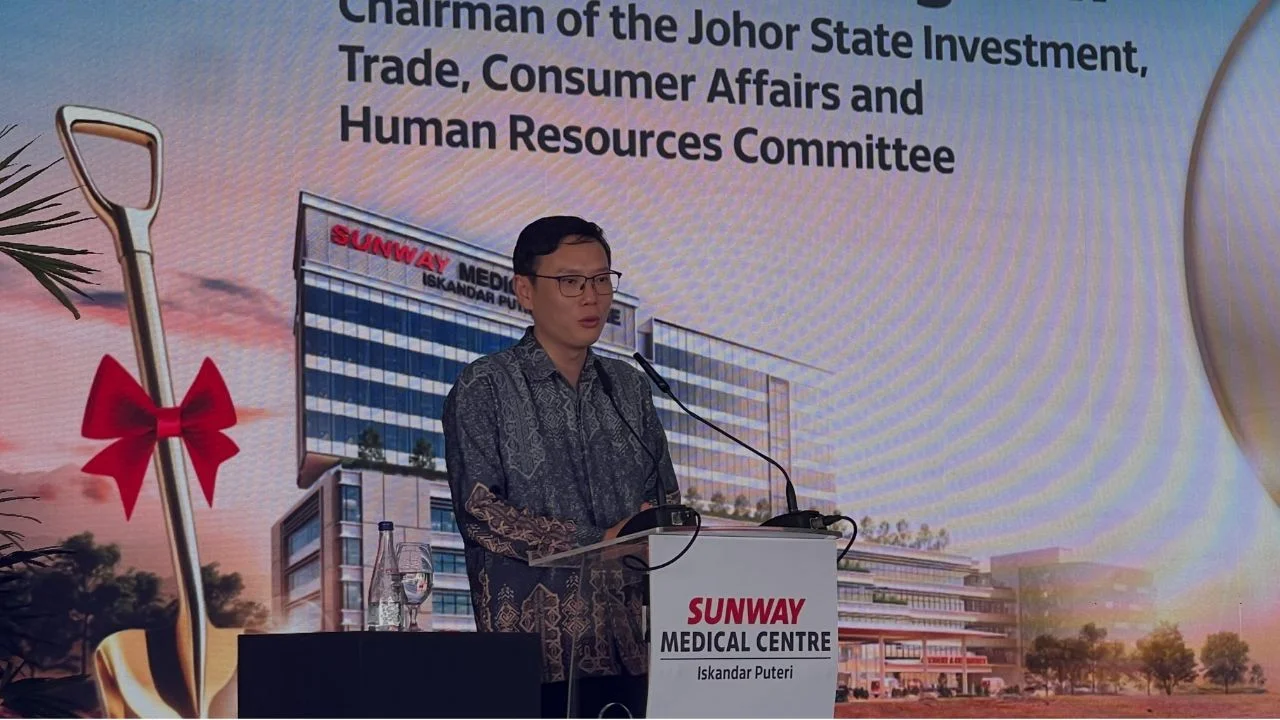
National Development Minister Chee Hong Tat announced the change on July 28 at the 11th Singapore Economic Review Conference, taking effect immediately and allows eligible private residential property owners and former owners to buy a non-subsidised HDB resale flat without waiting 15 months, provided they don’t take an HDB housing loan.

The Ministry of National Development (MND) said households with genuine housing needs had faced delays and disruptions due to the wait-out period. With market conditions improving, the government decided the restriction was no longer needed, Channel NewsAsia (CNA) reported (July 28).

A temporary rule introduced during an unusual housing market

The wait-out period was introduced in September 2022 during the COVID-19 housing crunch. Construction delays slowed the supply of new Build-to-Order flats.

At the same time, demand rose as more people formed smaller households, while low interest rates made borrowing cheaper. Those factors pushed HDB resale prices higher.

The government increased the supply of new flats, though construction needed time to recover. Cooling measures, including the 15-month wait, were introduced to reduce demand from private property owners and give first-time buyers a better chance in the resale market. The rule was always described as temporary.

Falling resale prices supported the policy change

The latest housing data suggests the resale market has steadied. HDB resale prices fell by 0.1% in the first quarter of 2026 and another 0.3% in the second quarter.

Before that, price growth had already slowed or stalled for five straight quarters, from late 2024 through the end of 2025.

The ministry also pointed to a rising supply of resale flats. More owners are completing their Minimum Occupation Period, which means additional flats will enter the resale market over the next few years.

Taken together, the government assessed that the wait-out period had achieved its purpose.

Some housing rules still stay in place

The change doesn’t remove every restriction. Private property owners who want to buy a subsidised HDB flat, including a Build-to-Order flat, a resale flat with housing grants, or an executive condominium purchased from a developer, must still wait 30 months after selling their private property.

The same 30-month wait also applies to buyers who plan to use an HDB housing loan. Private property owners who buy a non-subsidised HDB resale flat must still sell any private residential property they own, whether in Singapore or overseas, within six months after completing the purchase.

Those with pending appeals no longer need to wait for HDB’s decision. They can apply directly for an HDB Flat Eligibility letter, while HDB will contact affected applicants separately. Existing HFE applications will also be updated automatically where needed.

A policy change that follows changing market conditions

The decision closes a chapter that began during one of Singapore’s most challenging housing periods. According to previous parliamentary information cited by the ministry, HDB handled about 1,800 appeals each year from private property owners seeking exemptions from the wait-out rule.

About one in four appeals were approved, mainly for households facing financial hardship or exceptional circumstances with no other housing options.

During his speech, Mr Chee also repeated that the government is studying whether to lower the current minimum age of 35 for singles buying HDB flats. He said affordable public housing remains a key part of Singapore’s social compact.

Mr Chee also warned that countries struggling with housing affordability and wealth inequality have seen stronger social tensions, including support for far-right politics and xenophobia. Singapore, he said, must avoid that path while continuing to invest in housing, healthcare, education and other public needs.

The removal of the wait-out period shows how temporary housing measures should work. When market conditions improve, restrictions should also be reviewed, as it helps keep housing policies responsive while giving families greater certainty when making one of the biggest financial decisions of their lives.

- Advertisement -

Hot this week

MAS: Singapore’s AI boom and tech sector to help local economy weather oil price shocks and new US tariffs

Strong demand for AI chips and digital infrastructure is helping Singapore absorb current global pressures, though risks from geopolitics still linger

Singaporean questions why F&B job ad seeks workers aged 20 to 32 who can speak Chinese

"It's 2026 already." One Singaporean questioned an F&B job ad after noticing it required applicants to speak Chinese, be aged between 20 and 32, and be "preferably local or Malaysian."

Popular Categories

document.addEventListener("DOMContentLoaded", () => { const trigger = document.getElementById("ads-trigger"); if ('IntersectionObserver' in window && trigger) { const observer = new IntersectionObserver((entries, observer) => { entries.forEach(entry => { if (entry.isIntersecting) { lazyLoader(); // You should define lazyLoader() elsewhere or inline here observer.unobserve(entry.target); // Run once } }); }, { rootMargin: '800px', threshold: 0.1 }); observer.observe(trigger); } else { // Fallback setTimeout(lazyLoader, 3000); } });
// //
Enable Notifications OK No thanks