
Johor and Pahang explore cooperation on startup ecosystem as Lee Ting Han meets Pahang investment EXCO

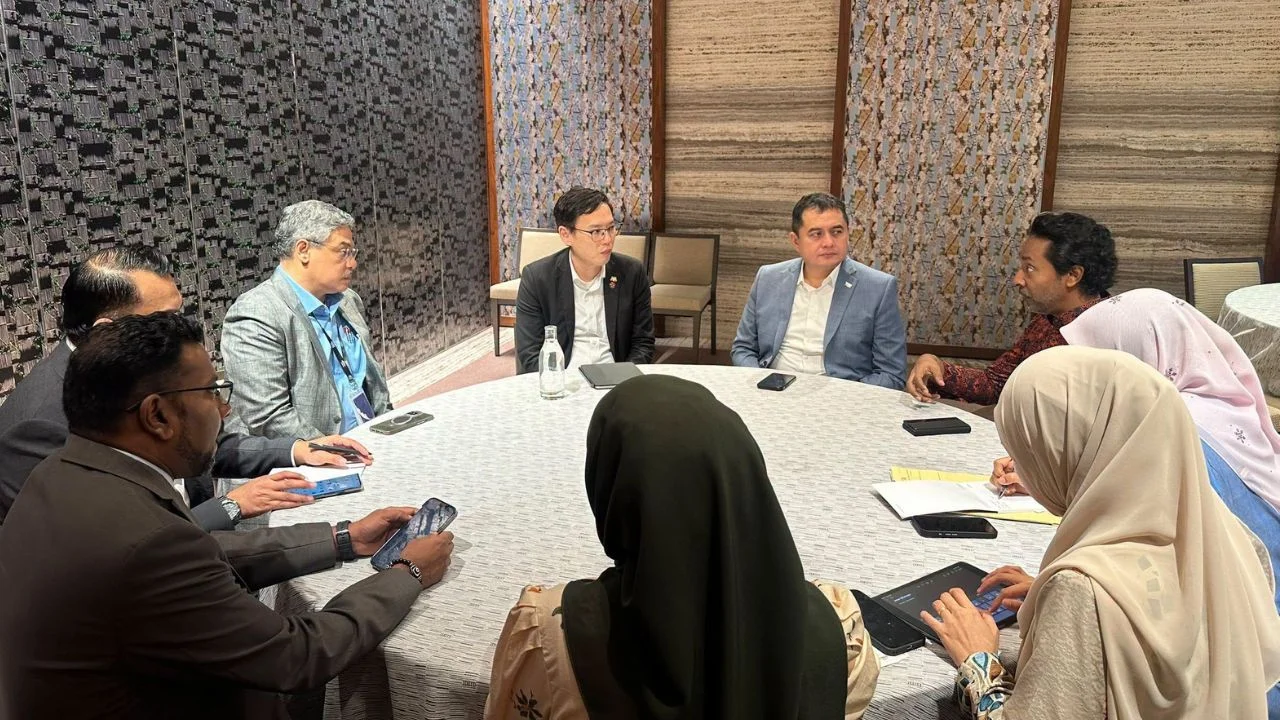
MALAYSIA: Johor Investment, Trade, Consumer Affairs and Human Resources Committee Chairman Lee Ting Han has met Pahang’s State Executive Councillor for Investment, Industry, Science, Technology and Innovation, Dato’ Mohamad Nizar, to discuss how the two states could work together to strengthen their ecosystems for new businesses.
According to his translated Facebook post, the meeting took place on the sidelines of the Invest Malaysia programme. The two discussed sharing expertise, business networks and market access between Johor and Pahang.
Johor as a launchpad
Lee described Johor as Malaysia’s gateway to Singapore and ASEAN, positioning it as a hub where local, Singaporean and international startups can grow.
He pointed to the state’s presence in manufacturing, logistics, digital, green energy, energy and the maritime economy as giving young companies a platform to develop before expanding into regional markets. Ecosystems such as the Johor-Singapore Special Economic Zone, industrial zones and innovation hubs, he said, give new companies opportunities to find industrial partners, customers, investors and access to supply chains.
South meets east
Lee said the partnership was about more than technology. “The Johor-Pahang cooperation is not just about technology, but also about strengthening the economic network between the south and the east,” the post stated.
Newsletter
Get updates straight to your inbox
He added that Johor is open to cooperation that benefits both states, helping to develop markets, create quality jobs and deliver economic benefits to residents.
“Innovation is driving collaboration, and Johor continues to move forward,” he stated.