
Duke-NUS Medical School cultivates brain cells to treat brain diseases

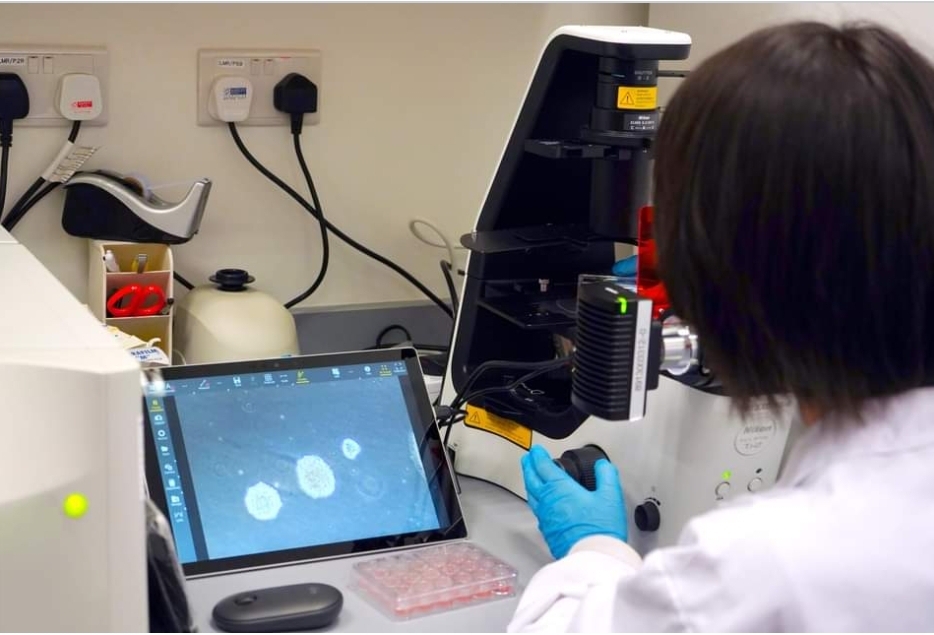
SINGAPORE: Researchers at Duke-NUS' newly established GK Goh Neuroscience Centre have successfully grown brain nerve cells from stem cells, offering potential treatment avenues for stroke and Parkinson's disease.
Led by renowned neuroscientist Professor Zhang Suchun, approximately 40 researchers at Duke-NUS' newest research centre cultivated brain nerve cells in a manner that prevents inflammation, a key challenge in previous attempts. These cells were then implanted into the highly inflamed brains of mice affected by ischemic stroke, demonstrating remarkable survival and the ability to repair damaged brain cells for up to 30 days.
This groundbreaking discovery extends beyond stroke treatment; the researchers are also exploring applications for neurodegenerative diseases such as Parkinson's. Patent applications for these new treatments and technologies are underway, and the team is seeking approval from the U.S. government to initiate clinical trials for Parkinson's in humans.
Anticipated human clinical trials are set to commence in 2025, with stroke-related trials requiring additional preparation time.
Meanwhile, the GK Goh Centre for Neuroscience remains committed to accelerating research on decoding the ageing brain. Unveiling its research strategy in a press meeting on Thursday (14 Dec), Duke-NUS highlighted the centre's mission to investigate mechanisms behind ageing and degenerative disorders.
Earlier this year, a $5 million gift from the GK Goh family enabled the establishment of the Centre, named in honour of Mr GK Goh, founder and Executive Chairman of GK Goh Holdings. The centre focuses on novel ways of growing neurons from stem cells, protecting them for successful transplantation into living brains.
Professor Zhang shared insights into the team's pioneering technique during the media briefing, emphasizing its application in repairing damaged brain tissues and generating model systems, including 3D-printed brain tissues and mini-brains. Additionally, the team successfully cultured norepinephrine neurons, crucial in understanding early neurodegeneration processes.
The Centre aims to develop innovative neurodegenerative therapeutics while nurturing the next generation of neuroscientists.
Newsletter
Get updates straight to your inbox
Expressing deep satisfaction at the Centre’s pioneering work, Mr GK Goh, who is also Chairman Emeritus of the international executive board of Temasek Foundation International and a member of the board of Temasek Foundation, said in a press statement:
“I am delighted that our scientists have already made impactful findings that will go a long way to help patients suffering from neurodegenerative diseases in Singapore. I am confident that this Centre will continue to enable Duke-NUS to deliver innovative bedside interventions that will not only improve the quality of life for the individual but also support our nation’s efforts on healthier ageing.”