
Singapore researchers find that T cells can completely prevent acute viral infections, opening pathways for vaccine innovation

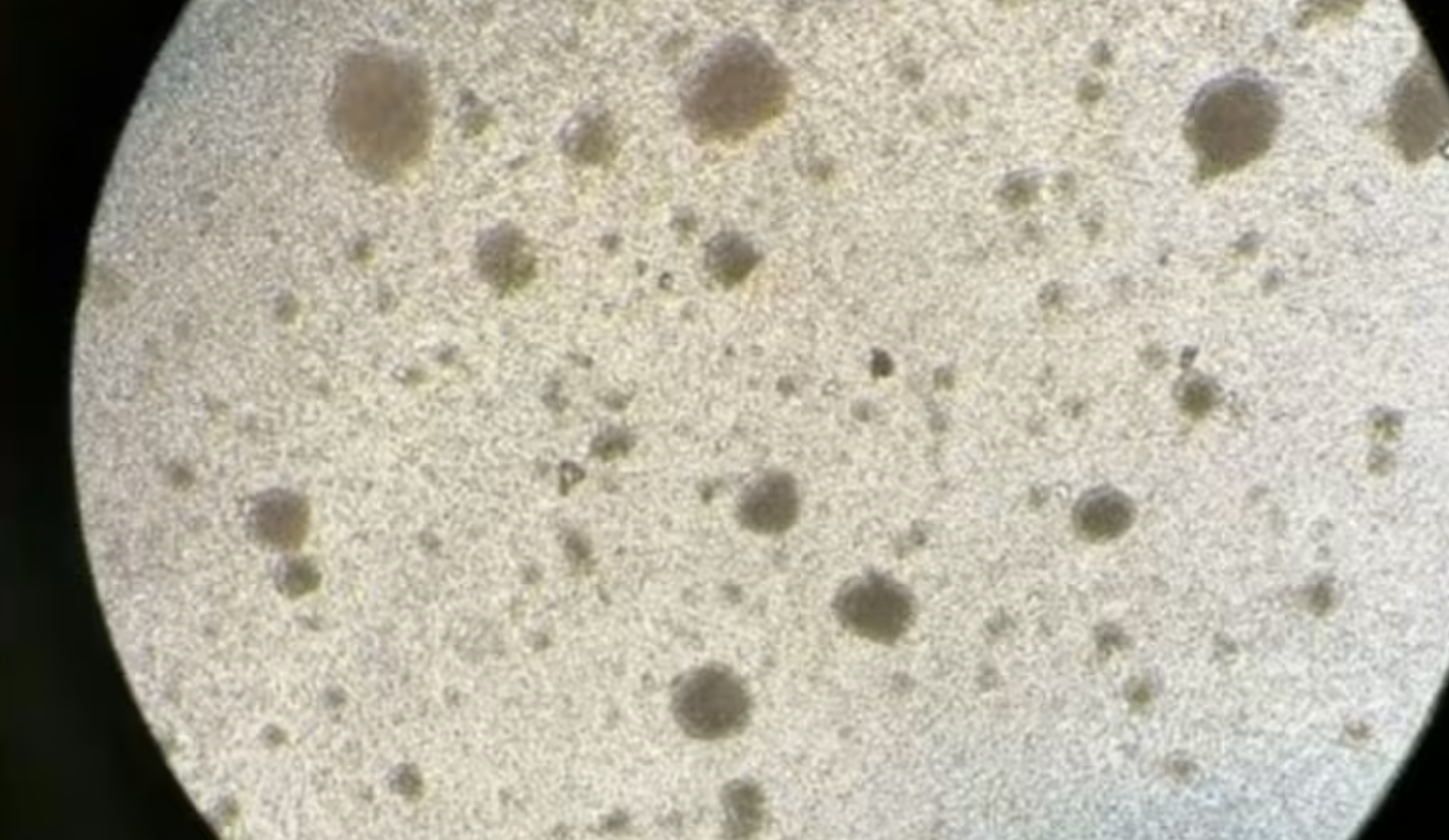
Photo: Antonio Bertoletti/Duke-NUS Medical School
SINGAPORE: A study by a local research team has revealed that human T cells can completely prevent acute viral infections, a finding that could revolutionize the development of vaccines. The research, conducted by experts from Duke-NUS Medical School and Singapore General Hospital, challenges long-held assumptions about the role of neutralizing antibodies in protecting the body from viral diseases.
Historically, neutralizing antibodies have been regarded as the gold standard for viral protection. These antibodies work by binding to viruses, blocking their ability to enter and infect cells. This type of protection, known as "sterilizing immunity," ensures that no trace of the virus is detectable in the body after an infection.
However, the new study, published in Nature Microbiology, suggests that the body’s T cells can provide an even more powerful defense. The team’s experiments demonstrated, for the first time, that T cells can destroy white blood cells that target harmful pathogens, thereby completely eradicating viral infections, even in the absence of neutralizing antibodies. In these cases, the viral infection was so effectively controlled that no evidence of the virus was found in clinical and laboratory tests.
This discovery opens up exciting new possibilities for the development of vaccines that could harness the body's natural immune defenses in a more efficient and comprehensive way. Researchers hope that the findings will lead to new vaccine strategies that could offer more robust and lasting protection against a range of viral diseases.
Newsletter
Get updates straight to your inbox
The team at Duke-NUS Medical School and Singapore General Hospital, whose work was funded through collaborative research efforts, believes this advancement could be key to combating persistent viral threats and improving global vaccine efforts. The study marks a major milestone in understanding immune responses and could pave the way for more effective treatment options in the future.