
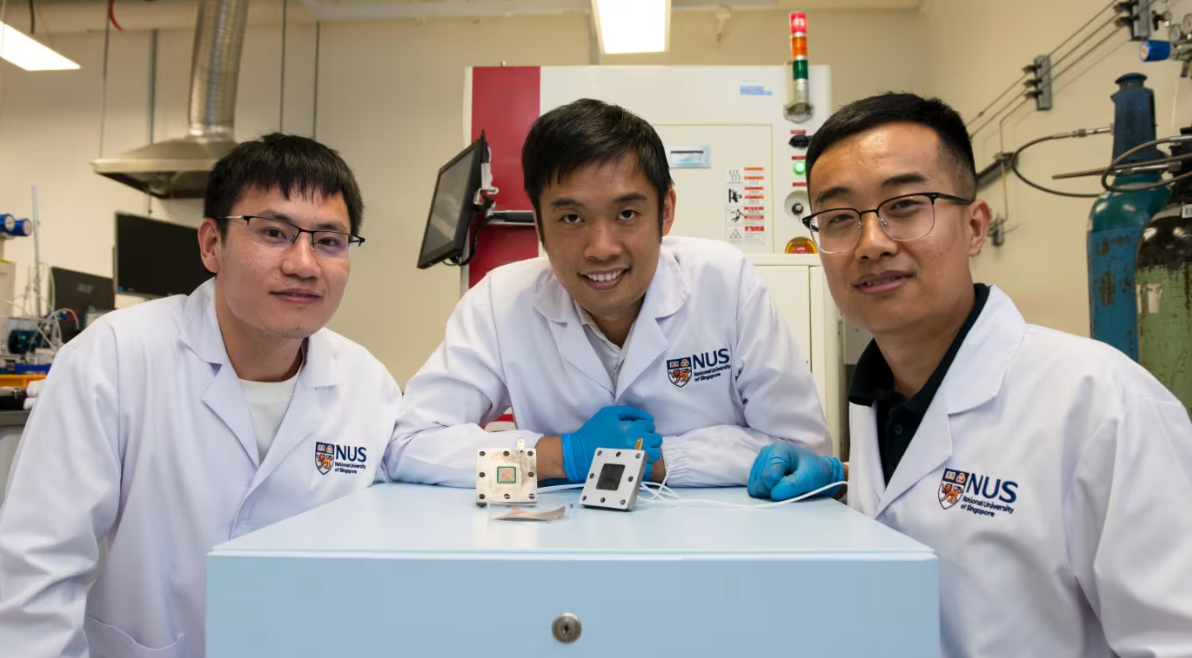

SINGAPORE: In a significant stride towards combating climate change and promoting sustainable practices, researchers at the National University of Singapore (NUS) have unveiled a new technology capable of transforming waste carbon dioxide into high-value chemicals.
This innovative method promises a substantial reduction in costs by up to 30% and sidesteps the need for high-purity carbon dioxide, thus streamlining the conversion process and minimizing energy-intensive purification procedures.
Conventionally, converting carbon dioxide into valuable feedstock necessitates the utilization of high-purity carbon dioxide, a requirement entailing resource-intensive chemical purification processes that significantly escalate operational expenses.
However, the NUS research team has shattered these barriers with their pioneering approach, introducing a highly efficient nickel catalyst tailored for the electrochemical conversion of carbon dioxide.
By harnessing electrochemistry, the new method facilitates the conversion of greenhouse gases into a spectrum of chemical feedstocks, including ethylene and ethanol.
These raw materials serve as the fundamental building blocks for an array of everyday compounds, ranging from plastics and polymers to detergents, thus underlining the versatility and industrial relevance of the innovation.
Of significance is the sustainability aspect inherent in this breakthrough – the technology not only obviates the necessity for high-purity carbon dioxide but also repurposes common waste products, marking a decisive step towards closing the anthropogenic chemical carbon cycle.
This pivotal advancement holds the potential to curtail reliance on fossil fuels, mitigate carbon emissions, and foster a circular economy paradigm conducive to long-term environmental stewardship.
The implications of this technological leap extend beyond scientific realms, bearing implications for industries grappling with sustainability imperatives and carbon footprint reduction mandates.
With the promise of enhanced cost-efficiency and environmental sustainability, the NUS research team’s innovation is a step forward in the quest for transformative solutions to global challenges.
 Follow Google News
 Join us on WhatsApp
 Follow us on Telegram