
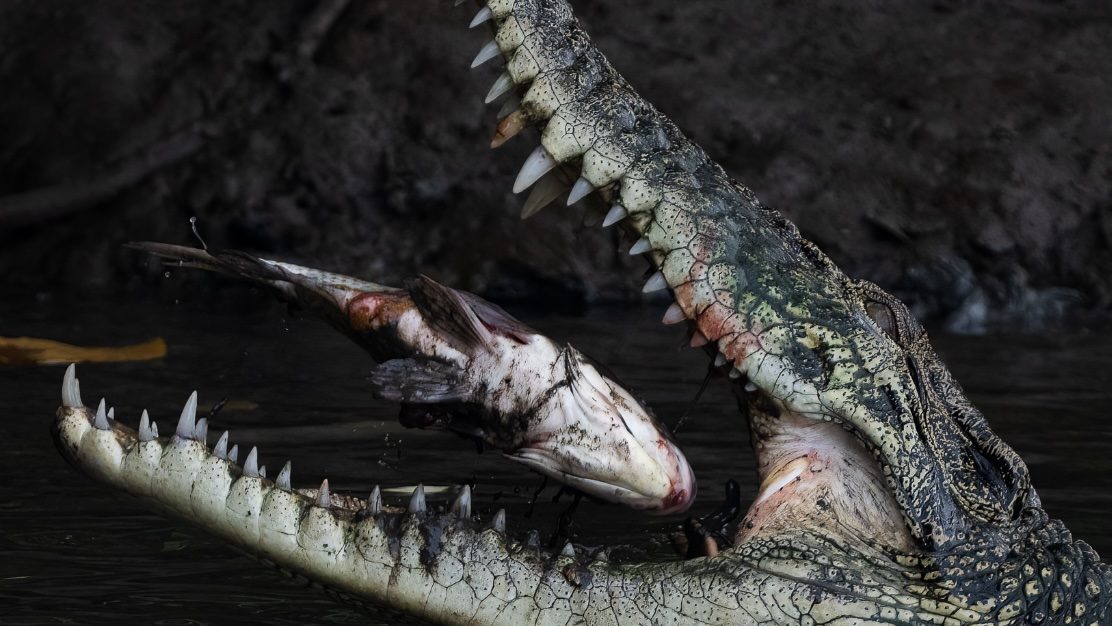

SINGAPORE: A photograph of a fish about to meet its end in the mouth of a saltwater crocodile has been praised by netizens, impressed by the timing of the shot.
Teo Chee Yong, a Singaporean photographer, posted the photo on the Singapore Wildlife Sightings Facebook group page earlier this week. It was captured at Sungei Buloh Wetland Reserve.
In the caption to the photo, Mr Teo wrote that he saw the croc “actively submerging and appearing” when he was preparing to leave as the tide was rising. And then, as the saltie emerged from the water, the photographer saw it with a big fish in its mouth.
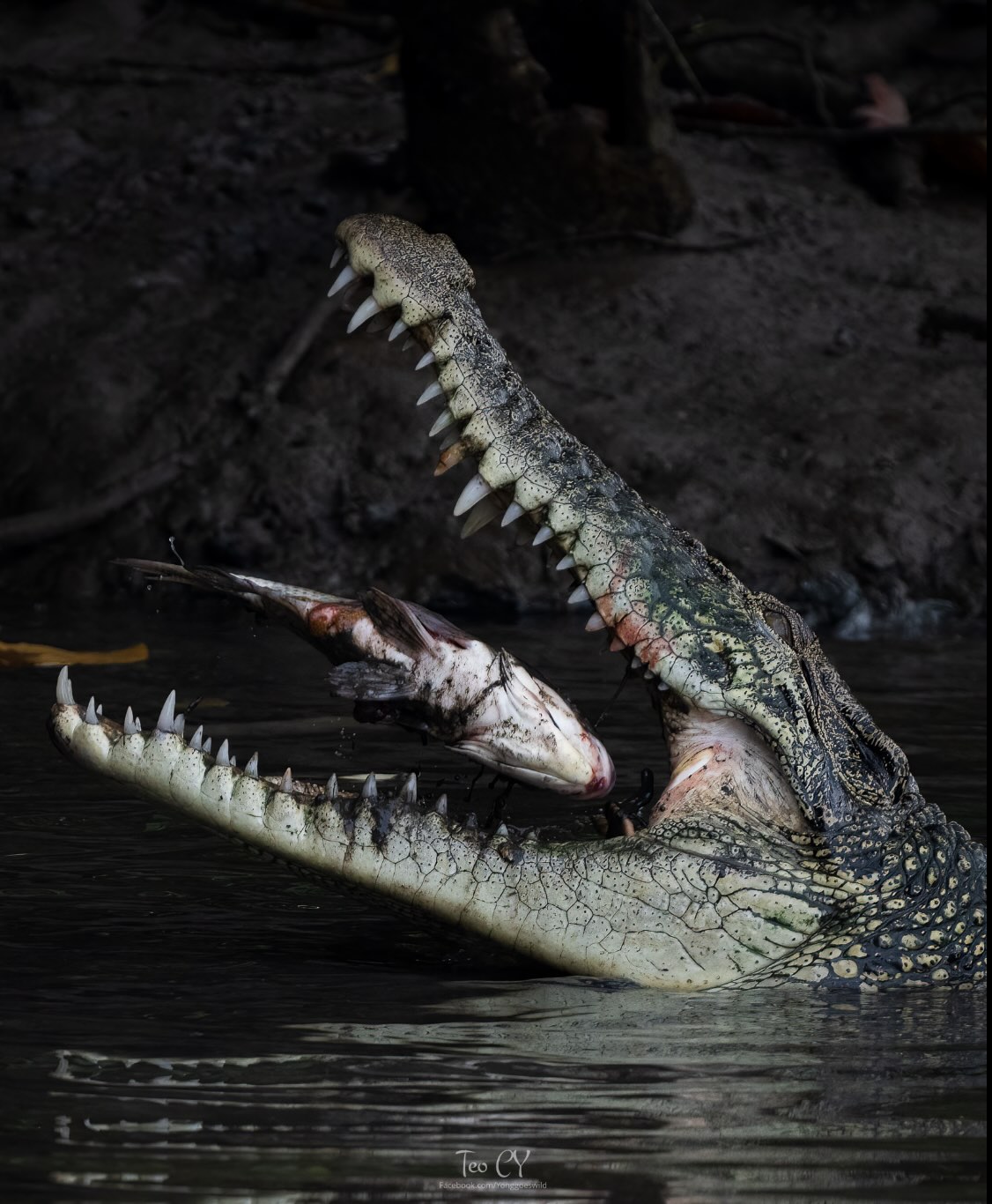
“Eventually, it swallowed it up, and everything happened in less than two minutes,” he recounted.
His photo has been liked, commented on, and shared multiple times, with many netizens praising him for the stellar shot. One commenter said the “photo should go into some international wildlife photo competition” like National Geographic.
Mr Teo thanked the commenter and said he’d try to do so if he could.
Another agreed, calling it “a potential award-winning shot.” One netizen called him a “great crocodile Dundee in the making.” Others used such superlatives as “brilliant,” “phenomenal,” “incredible,” and even “perfect” to describe the photo.
Another joked, “And that’s why i dun swim in the oceans anymore.”
Mr Teo, who hashtagged the equipment he used to capture the fateful moment, frequently contributes to Singapore Wildlife Sightings. And it’s not the first time the photographer has caught various animals with their prey in their mouths, as seen below.
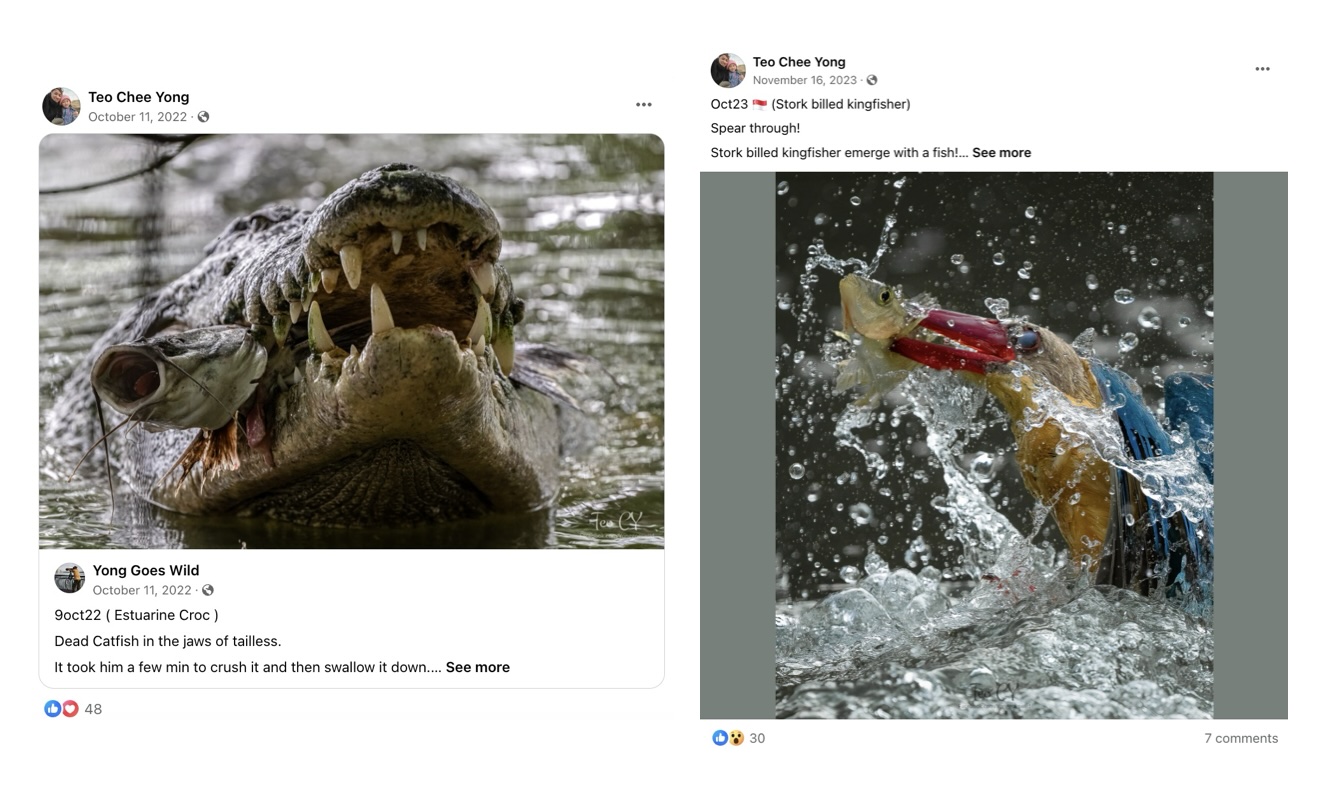
He also provided a link to a photostream of his crocodile and other animal shots.
The Independent Singapore has contacted the photographer, asking if Mr Teo might have tips for those interested in wildlife photography. He said that one important quality they must have is patience and added that they will not get the shot they want every time.
“Study their behaviour, know when and where to find them. Don’t be afraid to ask or exchange information from other fellow wildlife photographers,” he said, underlining the importance of “respecting wildlife, giving them space and privacy to roam and be wild.”
Estuarine crocodiles, also known as saltwater crocodiles, may be found in the tropical regions of Asia, Africa, Australia, and the Americas. As these “salties” can grow up to 6 to 7 meters in length, they are the largest crocodile species in the world.
The species is known for its long snout and broad, muscular tail with ridges. /TISG
 Follow Google News
 Join us on WhatsApp
 Follow us on Telegram