
Seafood restaurant owner makes public apology for live crab claw machine

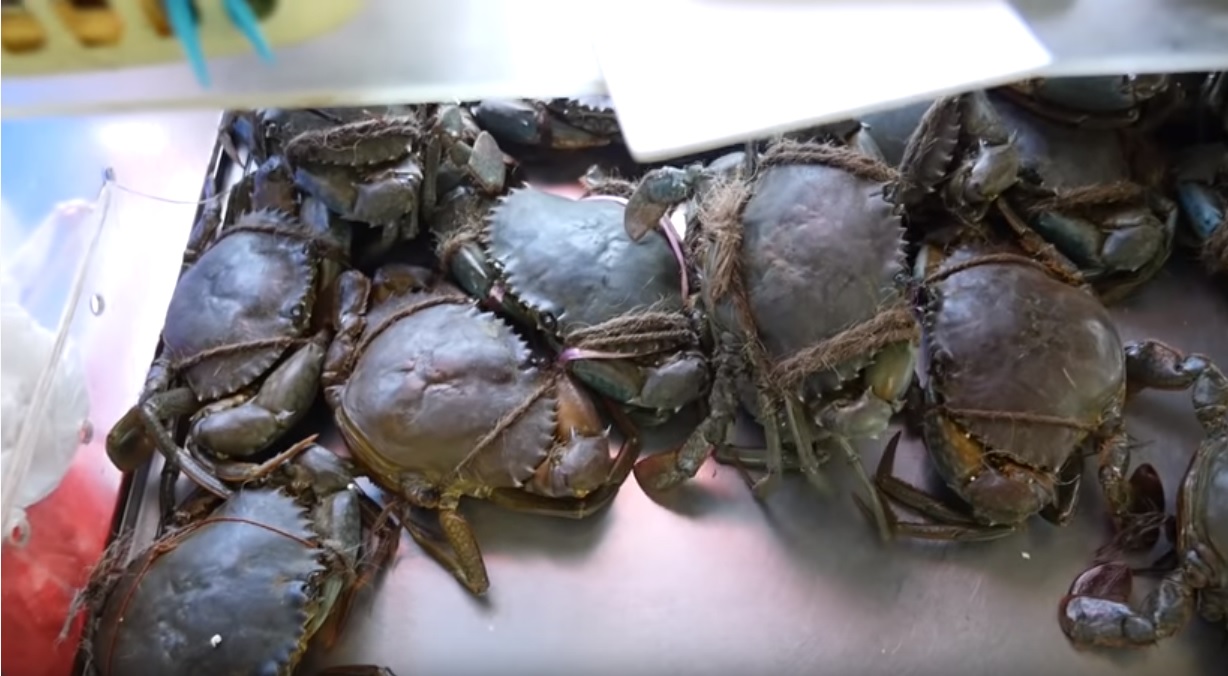
You Tube screen grab from Mark Wiens
House of Seafood CEO Francis Ng told media people at the restaurant in Punggol Point on Friday (Oct 25) that "he's sorry" for allowing people to catch live crabs with the use of a claw machine.
“We fully support the direction of SPCA (Society for the Prevention of Cruelty to Animals) and are definitely against animal cruelty. Despite the measures to minimise discomfort to the crab, we note the feedback from the public and will cease the catching of the live animals in the machine completely in all House of Seafood outlets worldwide.”
“As the CEO, I take full responsibility for causing such unhappiness and I’m sincerely sorry for such an oversight,” he added.
The apology came after the SPCA wrote on Facebook that it has reported the restaurant to the Animal and Veterinary Service, a unit under the National Parks Board (NParks).
SPCA has criticised the machine for causing unnecessary harm to the crabs and encouraging people to see animals as “nothing more than objects to play with."
The Facebook post was shared thousands of times and drew the ire of commentators, some of whom said live animals should be treated with respect.
Mr Ng confided that his two restaurants in China used to operate live crab claw machines, but the intention was to educate people about crabs and that the machine used sponges and rubber-tipped claws to reduce discomfort to the animals.
“But after this incident, I think no more, because it’s caused such a big hoo-hah. A lot of people say it’s wrong, it’s right. I’m an animal lover also, so I understand how they feel......So this impact to me is very great. I will take care of their feelings.”
Animal cruelty and welfare cases
According to the Animal and Veterinary Service in Singapore, from 2015 to 2018, the quantity of feedback received associated with animal cruelty and welfare escalated from 840 to 2,490 cases. However, this increase has been attributed to the public’s greater awareness of animal welfare rather than increased incidence of cruelty.
Newsletter
Get updates straight to your inbox
Some of the challenges faced while investigating such cases include:
- Lack of eye witnesses and direct evidence (e.g. relevant CCTV footage).
- Carcasses were disposed of, or found to be in bad condition, even before the case was reported. This makes post-mortem analysis impossible.
- Cases not being reported for follow-up.
- Case reports are delayed, which may impede investigations.
In the case of the Punggol Point restaurant, can it be said that 'profits’ were what drove the establishment owner to resort to this 'insensitive' way of killing crabs? /TISG