
Xpeng CEO warns that the majority of China carmakers are doomed to fail in the next 10 years

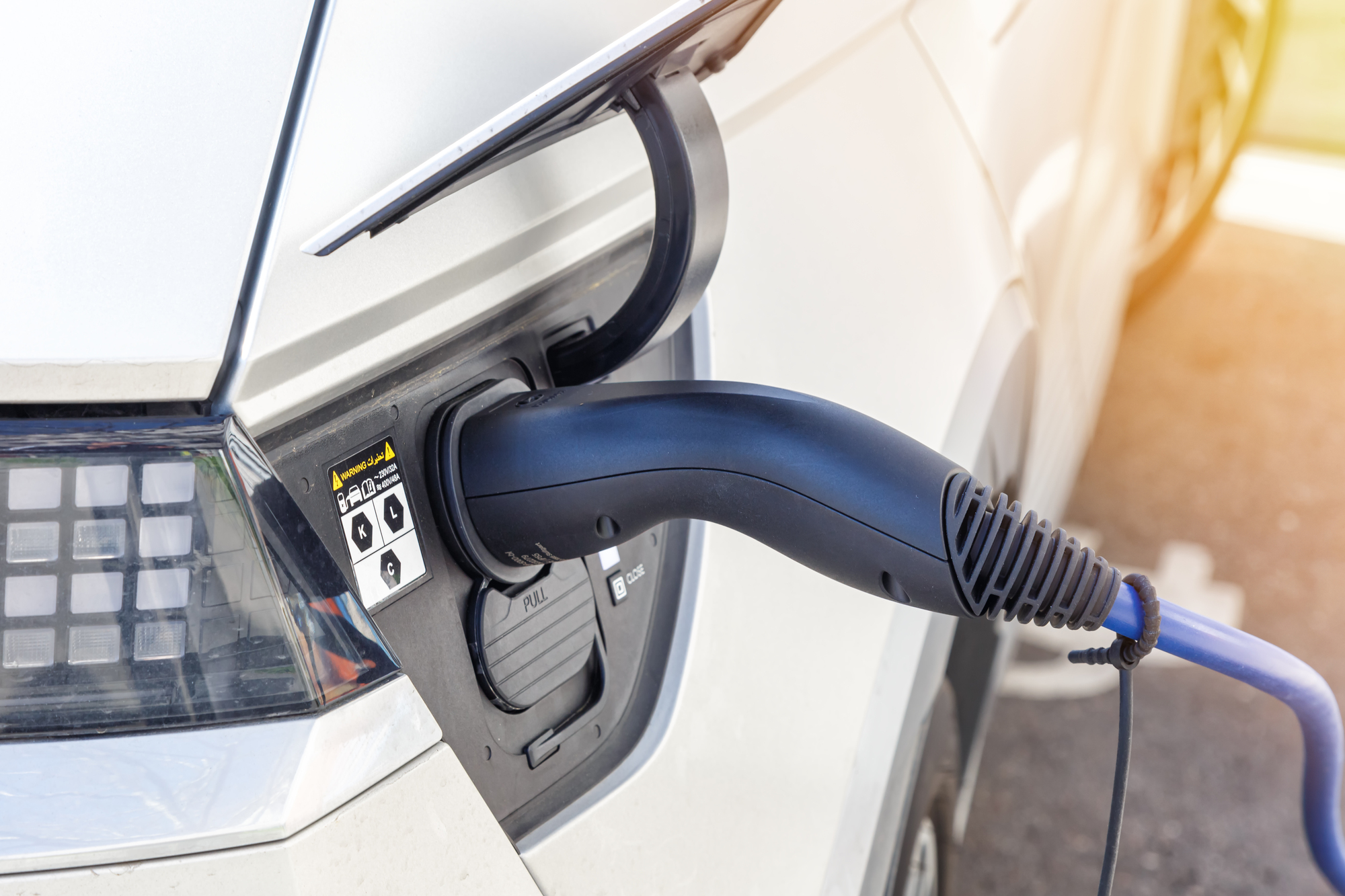
Photo: Depositphotos/Boarding2Now(for illustration purposes only)
SINGAPORE: The future of China’s burgeoning electric vehicle (EV) industry is uncertain, with many of the country’s carmakers likely to disappear in the next decade, according to He Xiaopeng, chairman and CEO of Chinese EV manufacturer Xpeng.
In an exclusive interview with The Straits Times during his recent visit to Singapore, He predicted that only a handful of companies would remain in the competitive electric mobility landscape.
“From 300 start-ups, only about 100 survived, and now fewer than 50 are still in operation, with just 40 of them actually selling cars every year,” said He, 47, whose company is headquartered in Guangzhou.
“In the next 10 years, I believe there will be only seven major car companies left in China.”
While He didn’t name the specific companies that might not make the cut, his comments reflect the intense pressure facing Chinese EV brands amid a rapidly evolving market and increasing competition.
AI and innovation
He identified artificial intelligence (AI) as a critical factor in determining which companies can endure the storm.
“AI is a core competency that large-scale car companies must have to survive,” he explained. “They also need to improve their product quality and customer service, learning from global brands.”
His remarks come at a time when Chinese EVs are gaining significant traction in Singapore, driven by a surge in demand for cleaner and more sustainable vehicles.
According to recent figures, Chinese brands accounted for 52.1% of all EV registrations in Singapore between January and October 2024, a significant jump from 30.3% the previous year.
Chinese carmakers in Singapore
The presence of Chinese carmakers in Singapore has also grown steadily, with the number of brands rising from just two in 2018 to nine as of November 2024.
Xpeng made its Singapore debut in July and has already registered 212 units, surpassing the performance of other new entrants like Zeekr, Chery, and Seres.
Leading the charge, however, is BYD, which has registered a whopping 4,560 units since the start of the year.
For Xpeng, establishing a foothold in Singapore aligns with its strategy of targeting more affluent markets for its medium- to high-end vehicles.
He noted that Singapore's advanced market and high-income consumers made it an ideal location for the company to showcase its premium offerings.
However, Xpeng's journey has not been without its financial challenges. Despite its growing presence, the company is yet to turn a profit.
Xpeng
In Q2 of 2024, Xpeng reported a net loss of 1.28 billion yuan (S$237.7 million), though this marked an improvement over its 2.8 billion yuan loss in the same period the year before.
He emphasized that while profitability is a goal, the company is focused on long-term growth through significant investment in research and development, as well as branding.
“We are investing heavily in R&D and building our brand. When the industry stabilizes, we expect profitability to follow,” he said.
A key component of Xpeng’s future plans is its advanced autonomous driving technology powered by AI.
Newsletter
Get updates straight to your inbox
The company was the first in China to introduce a driver assistance system capable of navigating complex urban environments, such as overtaking vehicles, reacting to traffic lights, and avoiding pedestrians.
While Xpeng remains focused on technological innovation, the broader Chinese EV industry faces significant challenges.
Reports of brands like Neta halting production and cutting salaries have emerged, underscoring the financial pressures many carmakers are under.
Price wars and fierce domestic competition have led to financial strain, and new trade barriers imposed by the European Union are making it difficult for Chinese automakers to expand internationally.
Despite these challenges, He remains optimistic about Xpeng’s trajectory.
“The industry is going through a period of intense competition, but we’re positioning ourselves for long-term success through continuous innovation and a strong commitment to quality,” he said.
With AI and technological innovation at the forefront, Xpeng is betting that only the most adaptable and forward-thinking players will survive the next decade in the highly competitive EV market.