
Donald Low: Why Singaporeans and Hongkongers reacted differently to travel bubble suspension

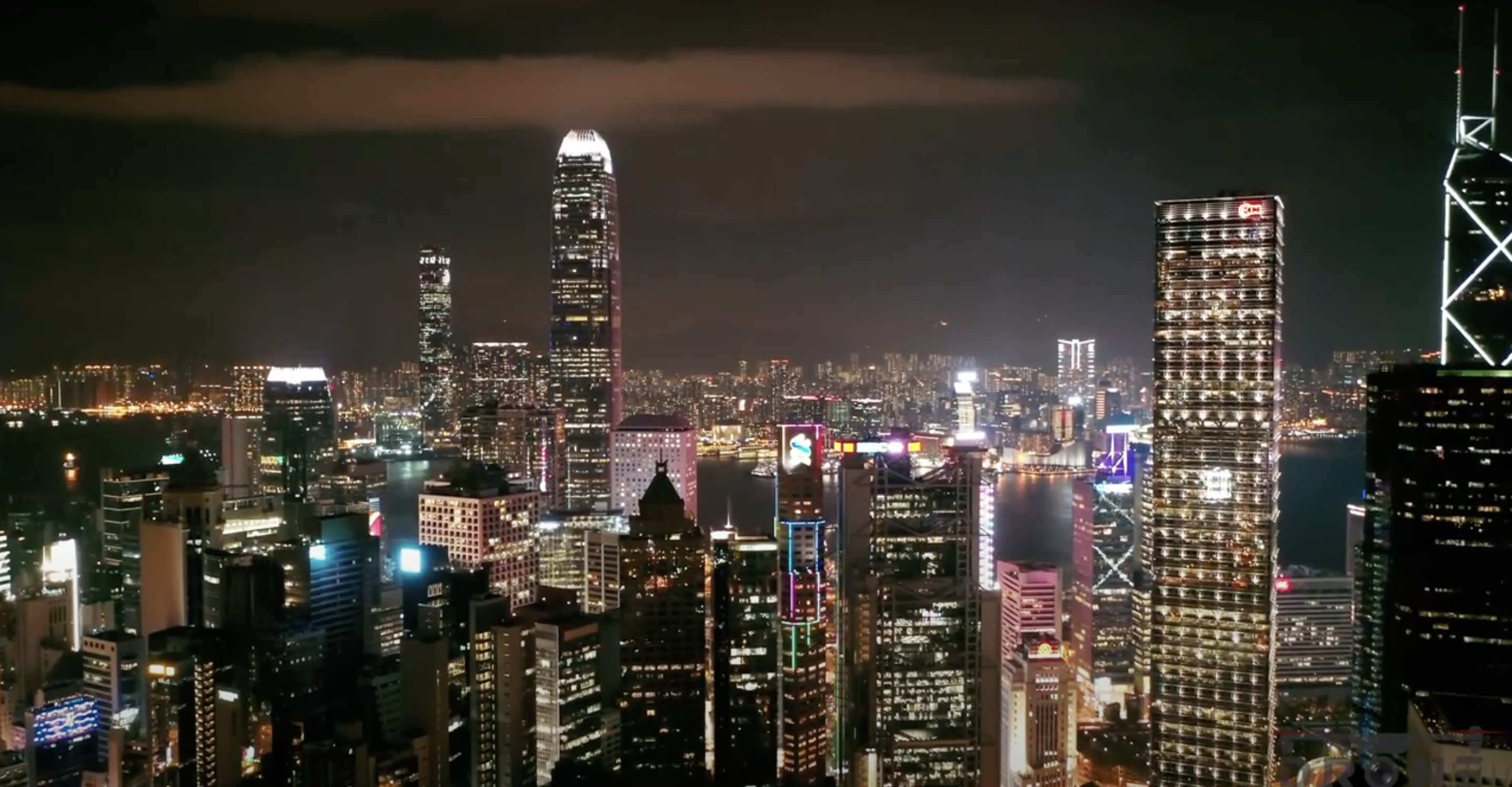
Hong Kong at night. Photo: YouTube screen grab
Academic Donald Low pointed out the differences in how residents of Singapore and Hong Kong reacted to the suspension of the travel bubble between the two cities, which was scheduled to begin last Sunday (Nov 22) but was cancelled due to the rising cases of Covid-19 in Hong Kong.
Hong Kong is now battling the fourth wave of Covid-19 infections, in large part due to 311 cases linked to the city’s dance halls.
On Sunday, Transport Minister Ong Ye Kung announced that the launch of the travel bubble, which would have allowed travelers from both cities to fly in and out without quarantining provided they underwent swab testing, would be deferred for at least two weeks, after which a review would be conducted and new announcements would be made.
Many residents from both cities had jumped at the chance to travel again, and the travel bubble would have done much to begin to revive the airline and tourism sectors, which have been badly affected by the pandemic.
Prof Low, who teaches in Hong Kong, pointed out a stark difference in the response of residents from the two cities, writing in the South China Morning Post that while “In Singapore, many people responded to the suspension of the travel bubble with a mix of barely concealed glee and a smug ‘I told you so,’” in Hong Kong, however, the response was more jaded and fatalistic, as though residents believe that an uptick in infections leading to the cancellation of the travel bubble was bound to happen.
The response from Singaporeans, wrote Prof Low, was in keeping with the city’s risk-averse nature, with residents placing the blame on the Transport Minister, whom they believe should have foreseen “what should have been obvious: that quarantine-free travel between the city-state and Hong Kong was a bad idea that should not have been contemplated in the first place.”
But Prof Low called Mr Ong’s pursuit of the travel bubble a “brave” one, saying that if he had not done so and it turned out that travel between the two cities would have been relatively safe, the Minister would not be blamed for this “error of omission,” failing to see and seize an opportunity.
“Such errors are seldom criticised; in fact, they may not even be noticed,” he added.
Instead, by taking such a risk, Mr Ong opened himself up to being accused of recklessness and became a target of severe criticism.
Newsletter
Get updates straight to your inbox