
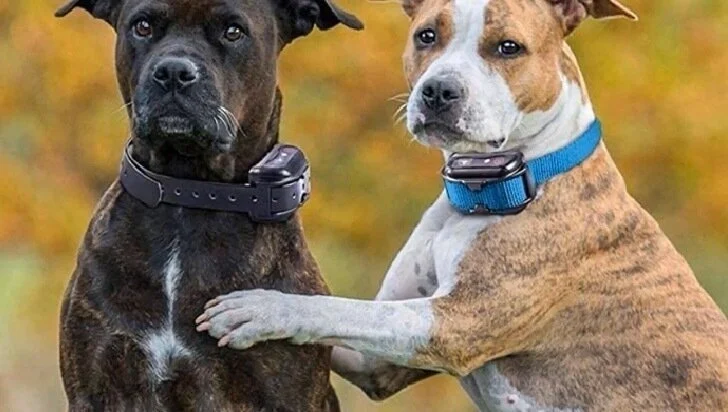

SINGAPORE: Earlier this month, the Ministry of National Development said that the National Parks Board (NParks) would release guidelines concerning aversive animal training devices, including electric shock collars.
While it did not impose an outright ban on the devices, the ministry said it would monitor the situation to determine if such a ban is needed.
This did not sit well with one person who loves animals and has now taken to the change.org platform to petition the ban of electric shock collars in Singapore.
“I am a pet lover, and I believe no pet in this world should be subjected to electrocution as a means of training. We do not do this to humans, so why should animals be any different? Aren’t we all living beings?” Ms Cheryl Ong’s petition begins.

In it, she notes that a number of countries around the globe have already banned the devices, including Denmark, Norway, Sweden, Austria, Switzerland, Slovenia, and Germany, due to animal welfare concerns.
“It’s time for Singapore to follow suit,” she wrote. Her petition, filed on April 9, already has over 1,500 signatories.
It is addressed to Mr Desmond Lee, the Minister for National Development, as well as animal rights activist MP Louis Ng, who had posed the question in Parliament asking if a ban on electric shock collars was being considered in NParks’ guidelines regarding the risks of using aversive animal training devices.
The ministry answered:
“NParks will continue to investigate and take enforcement action in cases where animal training devices cause unnecessary pain or suffering to animals and to raise awareness on the least intrusive, minimally aversive approach to animal training.”
Ms Ong argued in the petition that:
“The use of such devices is not only cruel but also ineffective. According to the Society for the Prevention of Cruelty to Animals (SPCA), these collars can cause distress and can have long-term effects on the mental health of animals.”
She added that based on research, the most effective training is rewards-based and that aversive training methods “can exacerbate underlying behaviour issues rather than address them.”
After receiving the reply from the Ministry of National Development, Mr Ng (PAP-Nee Soon GRC) wrote that he was disappointed, but the fight would go on.
“The question really is whether it is right to electric shock a dog in order to train a dog? Is it right to allow a training device that causes pain?” he wrote in an April 5 Facebook post, adding:
“What do you think? Let me know your thoughts, and I will help raise them in Parliament.” /TISG
Read also: Animal welfare groups call on govt to change existing policies on stray dog population control
 Follow Google News
 Join us on WhatsApp
 Follow us on Telegram