
Singapore halts poultry imports amid bird flu outbreak in several countries, including Japan, US, France

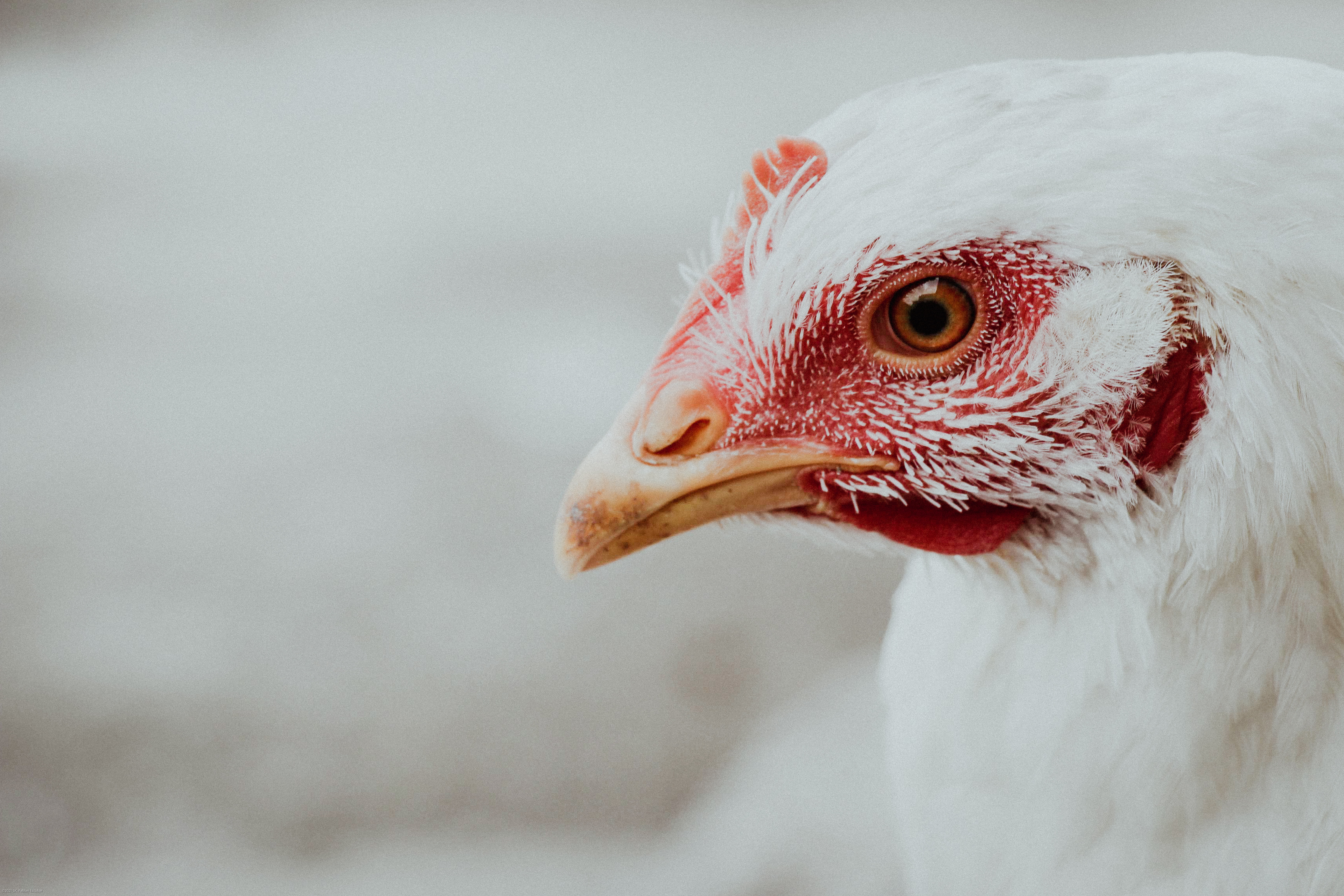
Freepik/wirestock (for illustration purposes only)
SINGAPORE: Singapore has suspended importing raw poultry and poultry products from several regions in countries affected by an outbreak of bird flu. The highly pathogenic H5N1 avian influenza has affected regions in the United States, Canada, France, Belgium, and Germany, as well as four Japanese prefectures - Saga, Ibaraki, Saitama, and Kagoshima.
The Singapore Food Agency (SFA) released circulars to meat and egg traders dated Dec 8 that said: "Japan reported outbreaks of H5 highly pathogenic avian influenza (HPAI) in poultry in Saga, Ibaraki, Saitama and Kagoshima prefectures. In view of the outbreaks, the National Parks Board/Animal & Veterinary Service (NParks/AVS) has imposed a temporary restriction on the importation of poultry and poultry products from the following prefectures with effect from the dates in the table below. Heat-treated poultry products which comply with the WOAH guidelines for inactivation of AI virus will not be subjected to the restriction."
[caption id="attachment_565992" align="aligncenter" width="640"] Photo: SFA[/caption]
SFA said Singapore poultry farms and slaughterhouses must also have biosecurity measures to prevent wild birds from coming into contact with their poultry flocks. “SFA inspects local poultry farms and slaughterhouses, as well as test imported live poultry and poultry in local farms for avian influenza,” the agency stated on its website.
World Health Organization chief Tedros Adhanom Ghebreyesus has said that the risk of transmission to humans is low. But as a precaution, people are advised not to touch dead or sick wild animals.
SFA said consumers should cook poultry thoroughly to minimise the risk of contracting bird flu. They should wash their hands with soap after handling raw poultry products. The agency added that people should avoid contact with wild birds and live poultry overseas.
According to the Ministry of Health, "human infection with the bird flu virus is primarily acquired through:
- direct or close contact with infected live or dead birds;
- direct exposure to environments contaminated by secretions or excretions from infected birds.
Slaughtering, de-feathering, handling or preparing infected birds for consumption, especially at home, may increase the risks of contracting bird flu. There is currently no evidence to suggest that the virus can be spread through the consumption of properly prepared poultry or eggs, although a few cases have been linked to (the) consumption of dishes containing raw, contaminated poultry blood. Spread from one person to another is rare". /TISG
Newsletter
Get updates straight to your inbox