
Nearly half of Singapore workers put in 6 or more unpaid hours weekly; 1 in 10 puts in 16 or more: report

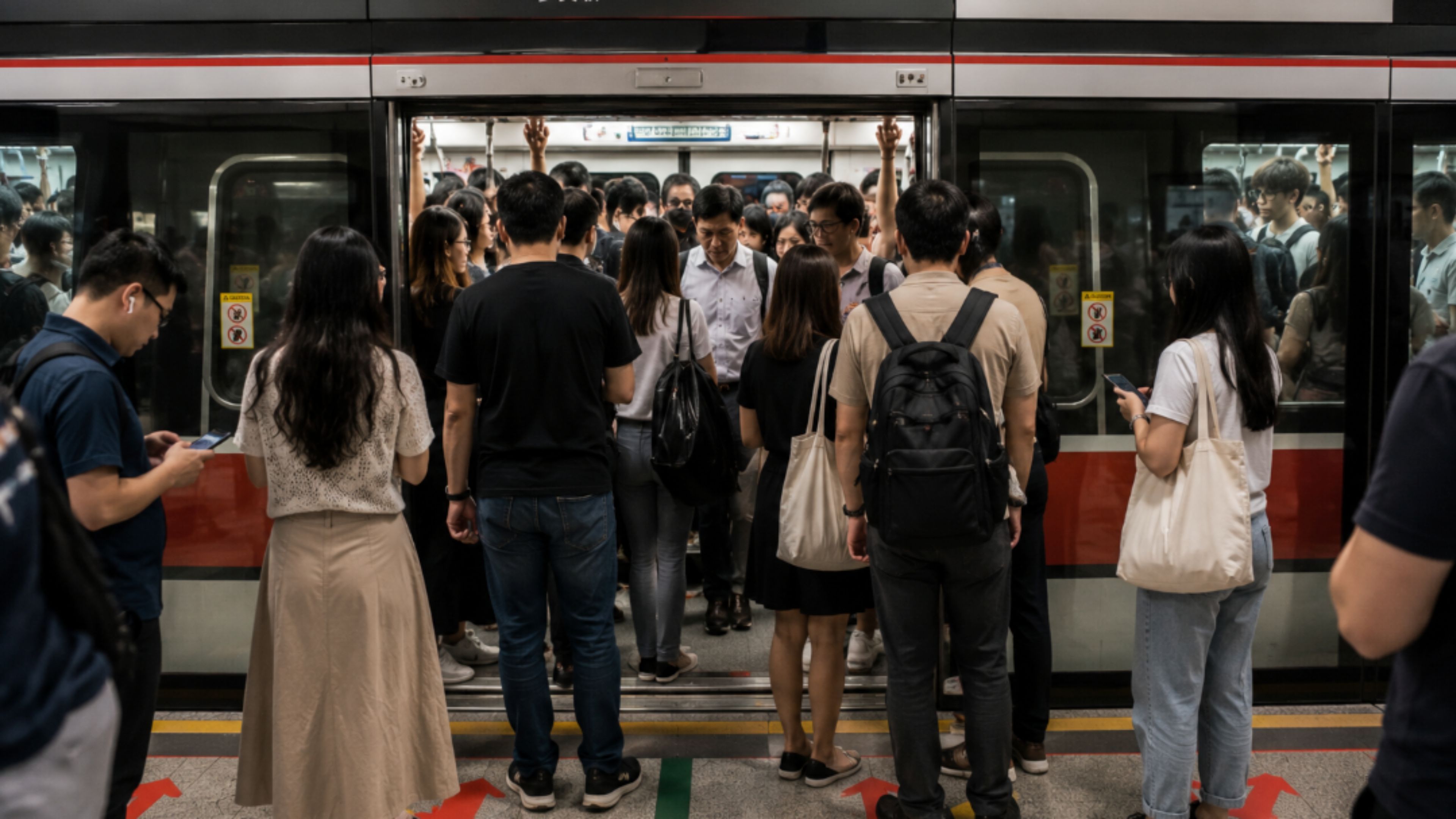
Whether it's on the MRT, at the salon or in a Grab ride, many Singaporeans said consideration for others goes a long way. (for illustration purposes only)
SINGAPORE: Nearly half of Singapore workers (45%) report putting in six or more unpaid hours of work each week, compared with 38% globally, according to ADP’s People at Work 2026 report.
These unpaid hours include working through lunch breaks or beyond scheduled working hours, the report said.
More than a third (35%) of Singapore respondents said they put in six to 15 unpaid hours a week, while one in 10 (10%) reported working 16 hours or more.
While those who reported working 16 or more unpaid hours a week were more likely to be “fully engaged” with their jobs, the report found that they were also more likely to experience stress, feel less productive, and consider looking for another job.
Notably, medium-sized organisations (250 to 999 employees) had the highest share of workers reporting at least six unpaid hours a week, with more than half (56%) doing so. This was followed by large organisations (1,000 employees or more) at 42% and small organisations (fewer than 250 employees) at 40%.
The report also found that about half (51%) of knowledge workers in Singapore reported at least six unpaid hours a week, a higher proportion compared to skilled task workers.
Globally, unpaid work was found to be most prevalent among senior executives. For example, 50% of C-suite executives and 49% of upper managers report at least six hours of unpaid work compared to 26% of individual contributors. C-suite executives also had the highest share of workers who reported working 16 or more unpaid hours a week.
Besides senior executives, younger workers aged 18 to 26 (42%) were the most likely to report at least six unpaid hours of work a week, followed by those aged 27 to 39 (41%) and 40 to 54 (38%).
Newsletter
Get updates straight to your inbox
ADP APAC’s vice president of HR, Yvonne Teo, said, “Working longer hours should not be mistaken for working more effectively. Employers need to recognise that sustainable performance depends on more than the number of hours worked.” /TISG