
Boundaries and balance: Is Gen Z’s new way of relaxing making way for new business ventures?

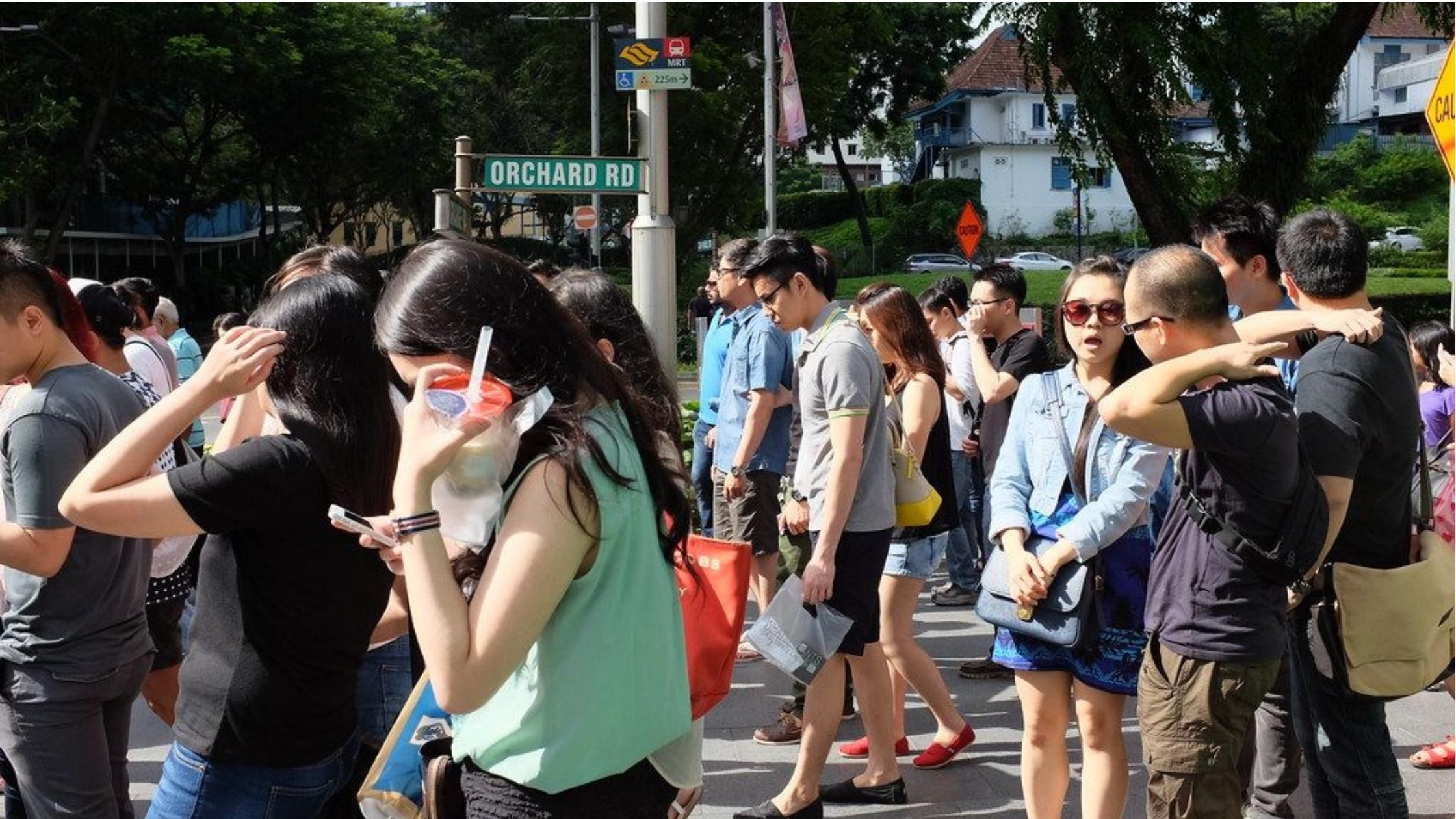
Whether it's on the MRT, at the salon or in a Grab ride, many Singaporeans said consideration for others goes a long way. (for illustration purposes only)
Gen Z, unlike previous generations, has been applauded for how they handle work—setting boundaries, standing up for work-life balance, even up to the point of refusing to climb the corporate ladder. But there’s more. They’re also found to spend hours outside of work differently, which may be making way for new business ventures.
A survey by The Harris Poll published in July found that nearly nine in 10 (88%) Gen Zs actively avoid at least one social setting: hanging out in large groups (39%), staying in loud, crowded places like clubs and packed bars (38%), and spending a lot of money on a single night out (36%).
While the study highlighted that 68% of Gen Z simply cannot afford the “damage” having fun does to their wallets, with 62% avoiding weekend plans altogether, it also highlighted their shift towards “soft socialising”.
About seven in 10 (73%) said they wished there were more social settings where alcohol isn't the main focus. Some 54% preferred daytime hangouts, while 69% wanted later-night options that do not feel like bars or clubs.
The report also described soft socialising as spending a day at a place with a casual, low-pressure atmosphere (76%), quieter, less overwhelming environments (76%), being able to show up without a big group (76%), shared-interest experiences (73%), not having to drink alcohol to participate (69%), or easier ways to meet new people (67%).
Seven in 10 (71%) also said they're missing the in-person experiences older generations had at their age. To keep socialising without breaking the bank, 85% found ways to spend time with their friends at a lower cost, such as hosting at home (30%).
The study surveyed 4,100 US adults aged 18 and up, including 603 Gen Z respondents. While those surveyed were from the US, the same shifting habits can also be observed among young Singaporeans.
A Singaporean Gen Z, who noticed similar interests among his peers, was inspired to create After Hours, Slow House—a “no agenda” space that opens once a month as a “living room” for Singaporeans—after observing that people in the city had become “more socially awkward and risk-averse”.
The idea, he told The Straits Times, came after his eight-month trip to Vietnam and China last year—an experience that let him meet people who brought him “immense joy”—and he wanted to recreate it.
Newsletter
Get updates straight to your inbox
After Hours, Slow House opened earlier this year, in February, and has since been visited mostly by Singaporeans in their 20s. General admission costs S$35 and includes board games, free-flow snacks, and packet drinks.
Besides After Hours and Slow House, another ‘living room’, The Dilly Dally Space, was just launched last month and is free of admission, as part of the National Youth Council’s (NYC) efforts to create more spaces for the Singaporean youth to “hang out, pursue their hobbies and interests, and take part in activities.”
Still, with Gen Z’s shifting habits, who knows, “living rooms” like these could soon become new business ventures in the city-state. /TISG
Read also: Two-thirds of Gen Z plan to switch jobs but struggle to stand out in a competitive market