
Analysts: Nvidia-Megaspeed controversy could undermine Singapore’s semiconductor ambitions and disrupt business operations

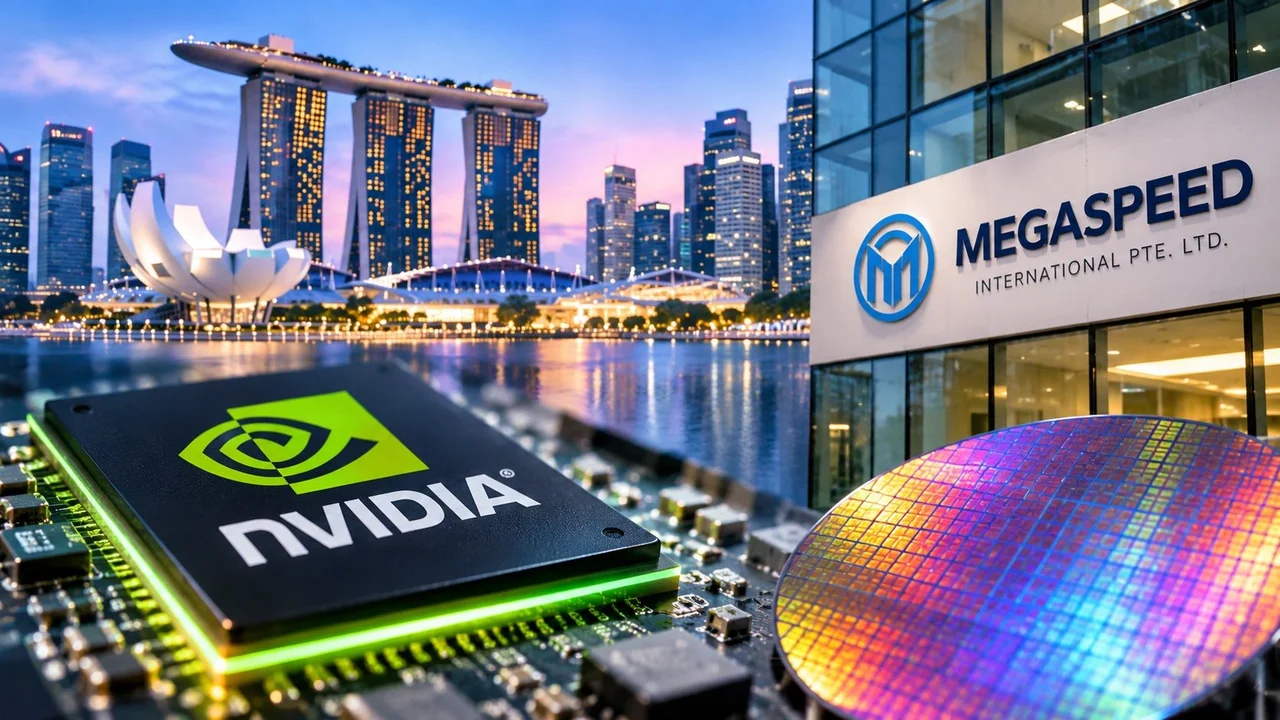
Nvidia-Megaspeed controversy puts Singapore’s semiconductor industry under scrutiny
SINGAPORE: Singapore’s semiconductor industry could face tougher US scrutiny and slower business deals following the controversy involving Nvidia and Singapore-based technology firm Megaspeed.
Analysts say that the case could make it harder for Singapore to balance its business ties with both the United States and China.
The concern goes beyond one company. Increased checks on chip shipments, overseas data centres and their end users could affect legitimate businesses operating in Singapore, Channel NewsAsia (CNA) reported (Nov 14).
US scrutiny could narrow Singapore’s room to manoeuvre
Singapore-based AI adviser Matthias Hendrichs said Singapore has deep business ties with both countries. However, Washington increasingly wants to know who ultimately uses its advanced chips, even when they are installed in data centres outside China.
Hendrichs believes Singapore could face less flexibility when handling trade involving this sensitive technology. The controversy follows reports of Nvidia chief executive Jensen Huang’s alleged personal relationships, including one involving Alice Huang, a former Megaspeed executive.
The New York Times previously reported that US authorities had investigated Alice Huang over suspected links to Chinese intelligence. Megaspeed was also suspected of helping China obtain advanced US semiconductors restricted from export to the country.
Singapore's investigations and export control position
National University of Singapore Associate Professor Chong Ja Ian said the Megaspeed case adds to other incidents involving suspected misuse of Singapore's position in international chip trade.
Five people have been charged over an alleged fraud conspiracy linked to Nvidia chips. Separately, nine people were arrested following raids on suspected attempts to illegally export Nvidia chips to China.
Singapore's Ministry of Home Affairs said the country doesn't tolerate businesses using Singaporean links to evade foreign export controls through fraud or dishonest practices.
The ministry stressed that Singapore conducts its own investigations under local laws and based on available evidence.
Police investigations involving Megaspeed and six other individuals have been ongoing since February 2025. Authorities were examining suspected inaccurate declarations involving servers exported to Malaysia and whether they were later sent elsewhere.
In February 2026, police found insufficient evidence to establish that Alice Huang had committed offences relating to the declarations. However, she received a stern warning after authorities assessed that she knowingly provided inaccurate information about her role. She left Singapore on Feb 26, 2026, and was barred from re-entering.
Tighter US rules could affect Singapore and Johor, Malaysia
Singapore Management University Associate Professor of Law Liu Han-Wei warned that US pressure could extend to third-country chip hubs.
A proposed US law, the Remote Access Security Act, could give the US Commerce Department powers to stop Chinese firms from renting overseas data centres to access Nvidia chips.
If passed, the law could affect Singapore’s cloud computing and data centre businesses, as well as physical chip shipments. Johor could also feel the effects as it attracts more data centre investment under the Johor-Singapore Special Economic Zone.
Newsletter
Get updates straight to your inbox
Businesses may face more paperwork, higher compliance costs and slower transactions. Suppliers could also demand stricter checks on where their chips go and how customers use them.
Singapore's semiconductor manufacturing strength faces a different risk
Hendrichs believes Singapore’s chip trading businesses face greater risks than its manufacturing operations. He pointed out that making, packaging and testing chips in Singapore took years to build. One controversy alone wouldn't undo that industrial base.
Still, repeated cases could prompt Washington to consider tighter controls across Southeast Asia. Upcoming US congressional hearings could also bring further scrutiny.
Singapore has built important semiconductor capabilities over many years. Protecting that position will require strong local enforcement, honest business practices and careful handling of sensitive technology.
Companies that follow the rules shouldn’t have to bear unnecessary delays because others choose to break them.