
Singaporean trades WFH flexibility for higher pay and ‘more interesting’ job, finds himself dreading work

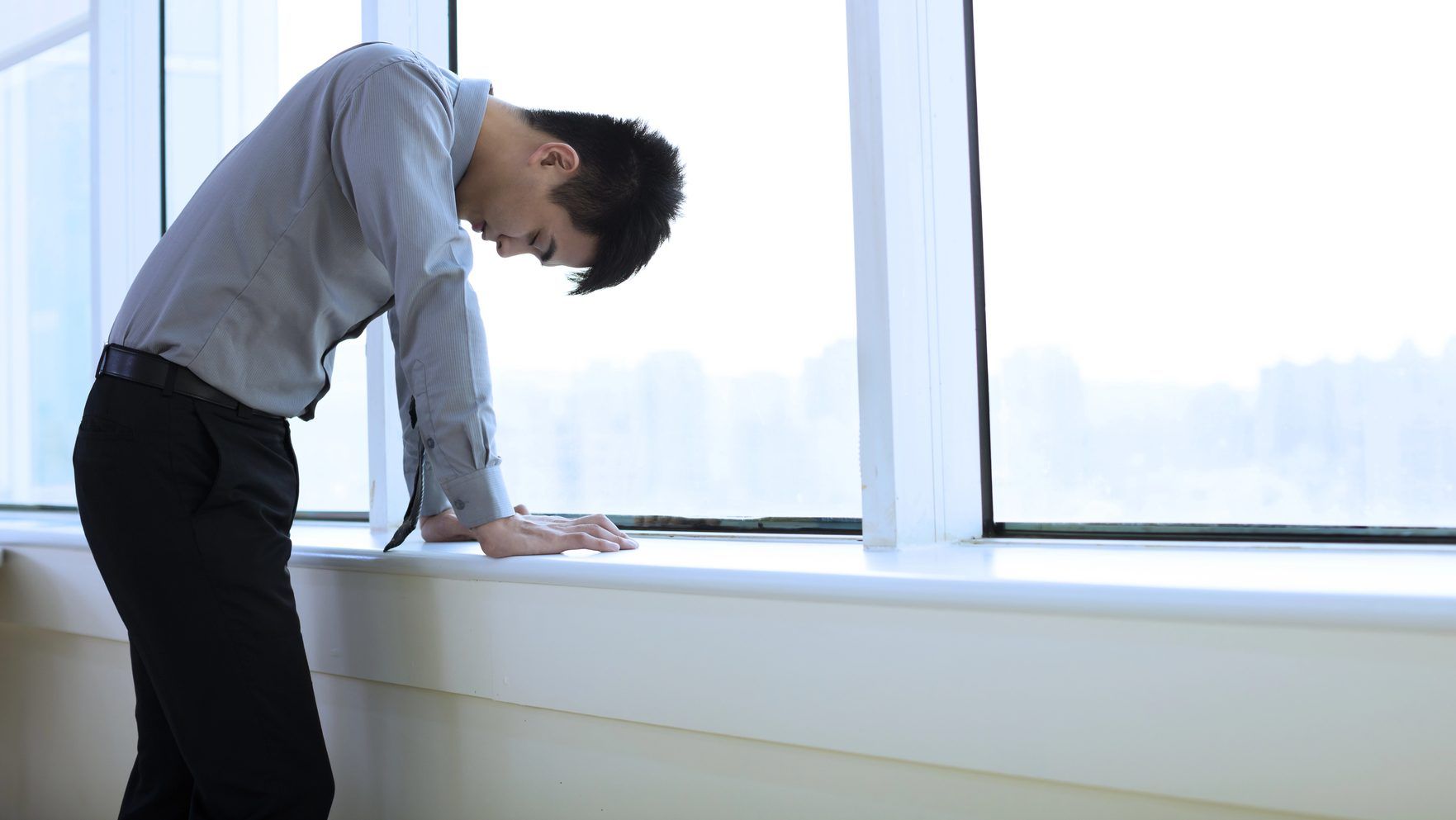
man tired from work
SINGAPORE: A Singaporean who left a stable job for a more interesting role and higher salary has found himself questioning whether the move was worth it after losing one benefit he once took for granted: working from home.
The man said his previous job offered good work-life balance and WFH flexibility, but he decided to leave a few months ago after receiving an opportunity that appeared to offer better career prospects and higher pay.
At the time, giving up his hybrid arrangement seemed like a reasonable trade-off.
Now, he is finding that the daily commute, longer days and added pressure at work have significantly changed how much free time he has during the week.
“I’m starting to feel much more drained than I expected. I find myself dreading work quite often and feeling like most of my weekday is taken up by work and commuting,” he wrote on the r/askSingapore subreddit on Tuesday (Sep 29).
“By the time I get home, I only have a few hours of personal time left before I have to sleep and repeat the same routine again the next day. I’ve also noticed that I’m constantly looking forward to going home as early as possible.”
He added that the work itself is demanding, with decisions carrying genuine commercial and financial consequences, leaving him under more pressure than he felt in his previous role. There are also occasional after-hours meetings and work commitments — not frequent, but frustrating whenever they crop up, as they eat further into his already limited weekday personal time.
Considering he’s still within his probation, he’s starting to wonder if he should get out before it’s too late.
“I’m also still within my probation period, which is making me think more seriously about the timing. If I decide this role isn’t for me, part of me feels it may be better to leave before I become fully confirmed rather than stay longer just for the sake of it.”
“I’m now wondering whether I underestimated how important hybrid working and predictable personal time are to me. At the same time, I’ve only been here for a few months, so I’m torn between giving myself more time to adjust versus resigning during probation, taking a short break to recharge, and then starting my job search again with a clearer idea of what I actually want.”
Financially, he isn't without a cushion. He has some savings set aside, though quitting without another job lined up would still bring a fair amount of uncertainty.
‘If you can afford it, take that break’
In the comments, one user advised him to weigh which stress would be easier to bear: the pressure of his current job, or the anxiety of being unemployed for months. “Pick one poison,” they wrote.
Another was blunt in pointing out that his real problem is wanting everything at once, which simply isn't realistic in the corporate world.
“It seems like you want it all: work-life balance, WFH benefits, higher pay, an interesting role, no OT, and short commute time. Everyone wants it, but can you command it? I'm all for recharging, but it seems like the problem is not about recharging but rather your expectations and demands of a job that, frankly speaking doesnt’t seem so realistic; not in this day and age. Good luck.”
Several others noted that hybrid and WFH arrangements are no longer as widespread as they once were. One user said, "Sounds like one of the issues you have is with the WFH arrangement… but any companies can remove it anytime… and an increasing number of companies don't have WFH anymore."
Still, amid the tough love, some offered encouragement to leave if it would improve his mental health.
Newsletter
Get updates straight to your inbox
One comment read, “I'd prioritise mental/physical/psychological health over money. If you can afford it, take that break. But be accepting and ready that you'll be jobless for at least 6 months (worse-case, a year), depending on the market.”
Slow disappearance of WFH arrangements
Aside from a high salary, Singapore workers value flexibility and work-life balance. According to the ADP Research Institute’s “People at Work 2022: A Global Workforce View,” over half of Singapore workers polled said they would consider quitting if asked to return to work full-time at the office.
This stance is entirely reasonable, since remote work not only cuts costs for both employers and employees, but also enhances workers' physical and mental well-being, lifts morale, productivity, and efficiency, and eases tension between employers and staff.
Sadly, despite its considerable benefits, this arrangement is gradually fading away.
A survey by WTW, a leading global advisory, broking, and solutions company, found that over two-thirds of companies around the world now have official hybrid policies requiring employees to come into the office at least a few days a week.
Many business leaders reportedly feel that having employees in the office helps teams work together more efficiently.
Read also: ‘She is always late’: Singapore man asks how to get deal with girlfriend’s ‘chronic lateness’