
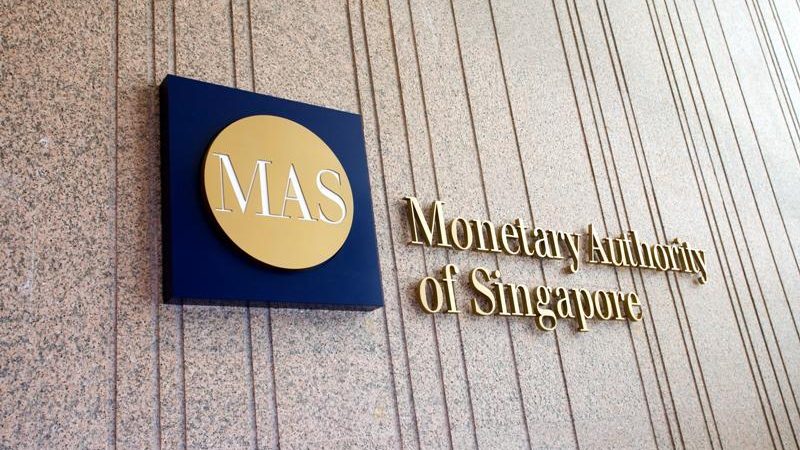

SINGAPORE: On Dec 29 (Friday), the Monetary Authority of Singapore (MAS) and the Singapore Police Force (SPF) issued a statement in reply to a letter published in the Chinese-language Lianhe Zaobao earlier this month regarding funds frozen in bank accounts in China that had been remitted via licensed remittance companies in Singapore.
MAS and SPF said that they share the concerns of the letter writer, a Mr Gong Yu Cheng, about such incidents, noting that they have increased. However, the agencies sought to clarify issues Mr Gong had brought up.
“It is not clear that the freezing of the remitted funds in China was motivated by concerns of money laundering by these remittance companies, as Mr Gong seems to suggest,” the statement reads, adding that MAS and SPF “have not received information showing that the remittance companies were involved in money laundering or scams, or that the funds were frozen because the remittance companies had processed the proceeds of money laundering or scams in Singapore.”
If the agencies receive information to this effect, MAS and SPF added that they will be taking regulatory or enforcement action.
CNA reported earlier this month that over 670 reports of remittances being frozen in China have been received by the Police. The money affected in these frozen remittances is about S$13 million.
The statement from MAS and SPF said that remittance companies licensed by MAS must meet the same standards of anti-money laundering controls that other regulated financial institutions do.
When they remit money overseas, they may use local or overseas intermediary institutions such as banks, operators of card payment systems, or third-party agents, which the remittance companies must conduct due diligence on.
The statement further clarified that the cases of frozen funds in China had been through third-party agents. It noted that this is “a common and accepted mode of remittance offered by remittance companies to keep transaction costs low for customers, and has been around for decades.”
MAS had told licensed remittance companies in Singapore to suspend non-bank and non-card channels when transmitting money to persons in China from Jan 1 to March 31, 2024, to minimise risk to remitters. This was not related to any specific money laundering concern.
“In the meantime, the Singapore Government has been asking the PRC Government to help affected remitters understand how they can get their accounts and monies in China unfrozen by the PRC law enforcement agencies. MAS and SPF had also organised an outreach session on 18 December 2023 for affected remitters. The PRC Embassy in Singapore and the three remittance companies whose customers had been affected by the remittance problem also attended this outreach session,” the statement said. /TISG
Read also: Chinese Embassy reminds Chinese nationals in SG to avoid using non-bank institutions to remit money
 Follow Google News
 Join us on WhatsApp
 Follow us on Telegram