
Lim Li Hsien FB
In Full: President Tharman urged Singaporeans to remember Asian traditions in Lunar New Year message

In his first Lunar New Year message as head of state, Singapore President Tharman Shanmugaratnam urged Singaporeans to celebrate the Year of the Dragon without forgetting traditions and the diversity of nature, as he reflected on the dragon's symbolism in Chinese culture as a just and benevolent creature bringing good fortune. Read his message in full here:
Good health, happiness and prosperity for all in the Year of the Dragon!
I’ll say something about the mesmerizing ‘dragon’ in the photo in a moment.
But first, let’s hope the Year of the Dragon brings good times to all. Despite its ferocious power, the dragon has from ancient times in China been regarded as a just and benevolent creature, and bringer of good fortune.
Nature also gives us a real-life dragon, a magical creature of the sea.
Seadragons are fascinating for both their unusual appearance, and how they reproduce. It is the male rather than the female who takes on the burden of carrying the fertilized eggs, nurturing them, and eventually bringing baby seadragons into the world.* Not bad for males!
More about the mythical dragon, which has held a special place in Chinese folklore – and other Asian cultures - from early times. The founding emperor of the Han dynasty, Liu Bang, who was born to simple farmers, was eventually believed to be the incarnation of the dragon. One legend even has it that he was conceived when his mother dreamt of a dragon.
India had its own dragon legends (the Indian ‘naga’ also has snake features) which made their way to Cambodia and other parts of Southeast Asia. Till today, two nagas feature prominently at the main pavilion in the Yogyakarta Kraton (or Palace) in Java.
So too, for the Turkish and Persians, whose deep historical influence led to dragons appearing in the courts of Muslim rulers for several centuries in South Asia especially. In Persian art, the dragon in fact looks strikingly like the traditional Chinese form.
So let’s enjoy the Year of the Dragon. While remembering how our Asian traditions flowed into each other across time. And treasuring the diversity of nature that we share our planet with.
*The full story for those who are really, really interested. The seadragon’s eggs get fertilized once the female lays its eggs on the male’s tail. The male then carries the eggs under a flap beneath its tail, provides them with oxygen, and protects them from predators until they hatch about 9 weeks later. The male eventually ‘gives birth’ by shaking and pumping its tail - it takes 24-48 hours to release all the babies this way! By the way, male seahorses do the same - they are part of the same family as seadragons.
Newsletter
Get updates straight to your inbox
I was reminded of the seadragon when I saw the beautifully designed angpow packets that Lee Kong Chian Natural History Museum produced this year - with an illustration of a leafy seadragon that has been preserved at the museum. The museum is a remarkable repository of nature’s wonders.
[caption id="attachment_576528" align="alignnone" width="2048"]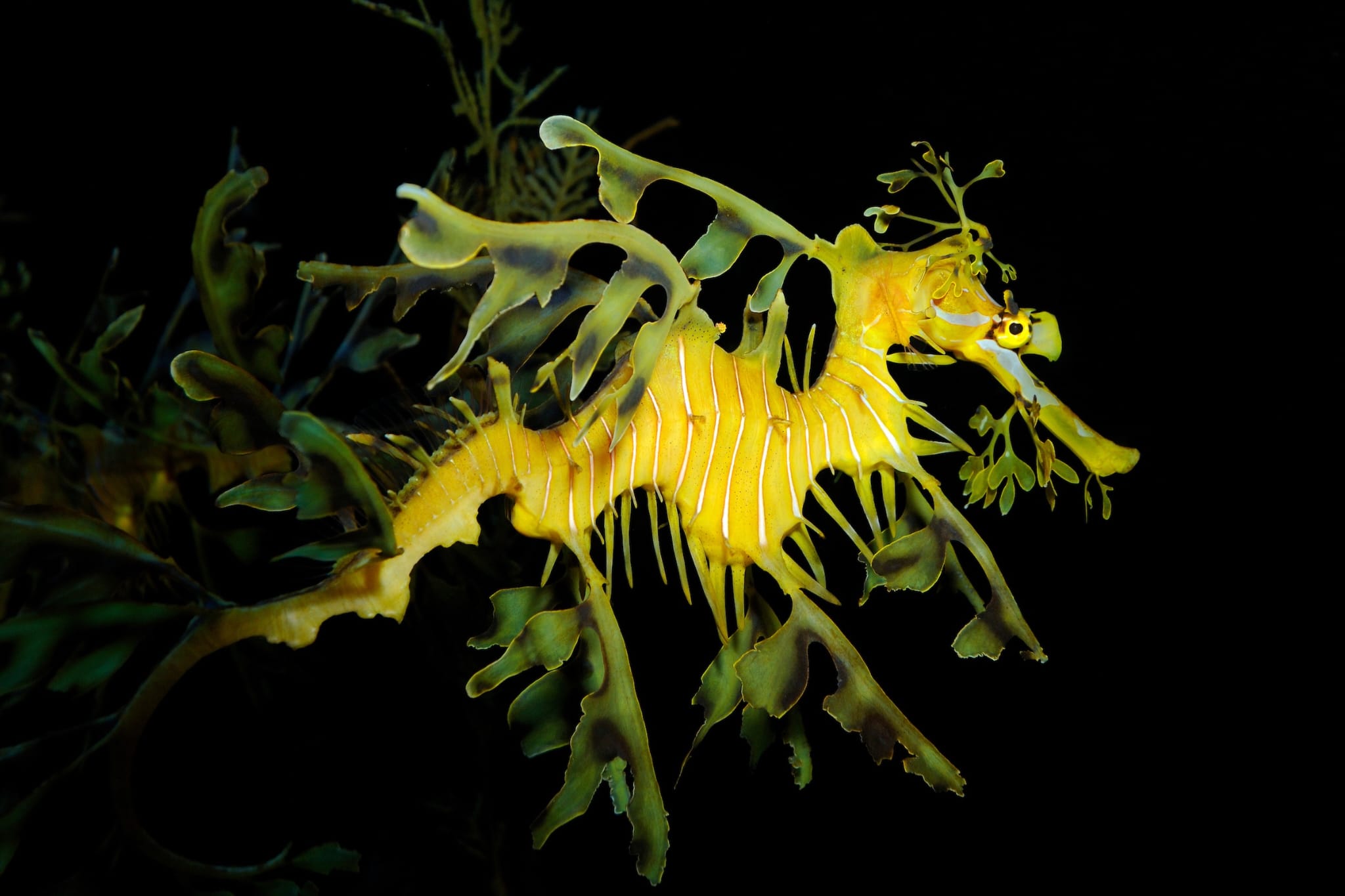 Tharman Shanmugaratnam FB[/caption]