
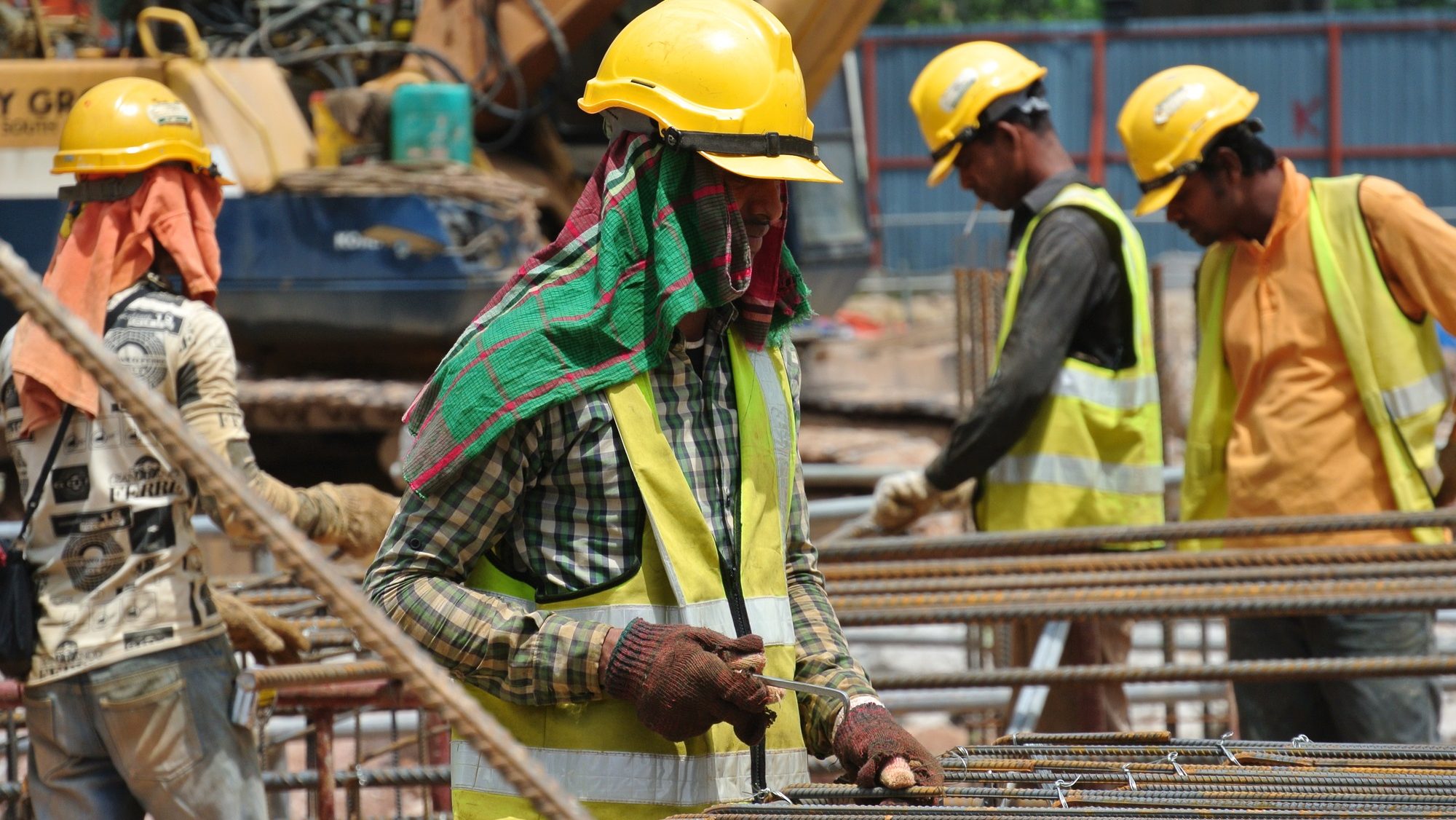

SINGAPORE: From June 1, Singapore employers can hire work permit holders from Bhutan, Cambodia, and Laos for construction, marine shipyard, and process industries, as well as certain manufacturing and services roles on the non-traditional source (NTS) Occupation List, The Business Times reported.
Currently, NTS markets include Bangladesh, India, Myanmar, the Philippines, Sri Lanka, and Thailand.
In addition, starting Sep 1, heavy-vehicle drivers, manufacturing operators, and cooks, replacing the earlier “cooks in Indian restaurants,” will be added to the NTS occupation list.
On Thursday (March 6), Minister for Manpower Tan See Leng said at his ministry’s Committee of Supply debate that the move will help companies build a more skilled and resilient workforce.
Association of Small and Medium Enterprises (ASME) president Ang Yuit called it a “good move”, noting that hiring from traditional sources can be costly and often difficult due to availability constraints.
Singapore Manufacturing Federation president Lennon Tan said manufacturers had been asking for manufacturing operators to be included as these roles have been challenging to fill. He added that industries like precision engineering, electronics manufacturing, and aerospace have struggled with worker shortages, affecting productivity and competitiveness.
Restaurant Association of Singapore president Benjamin Boh said expanding the hiring pool will give businesses more flexibility.
However, Singapore Contractors Association Ltd president Lee Kay Chai said companies must ensure workers from new source countries can adapt to local working conditions, safety standards, and cultural differences.
He noted that employers will need to support them in adapting to language, food, and daily life, adding that translation apps and structured onboarding could help ease the transition.
Singapore Semiconductor Industry Association (SSIA) executive director Ang Wee Seng said workers from Bhutan, Cambodia, and Laos have not been tested in the semiconductor sector. He said that while having more hiring options is useful, it is important to ensure incoming workers meet industry standards.
Meanwhile, from July 1, work permit holders will no longer have a maximum employment period, which currently ranges from 14 to 26 years, depending on their skill level and industry.
However, there will still be a maximum employment age, which will be raised from 60 to 63 to match Singapore’s retirement age. The maximum age for new work permit applicants will also rise—from 50 to 61 for non-Malaysians and from 58 to 61 for Malaysians.
Asme’s Mr Ang Yuit said this change will help businesses cut training costs. /TISG
Featured image by Depositphotos (for illustration purposes only)
 Follow Google News
 Join us on WhatsApp
 Follow us on Telegram