
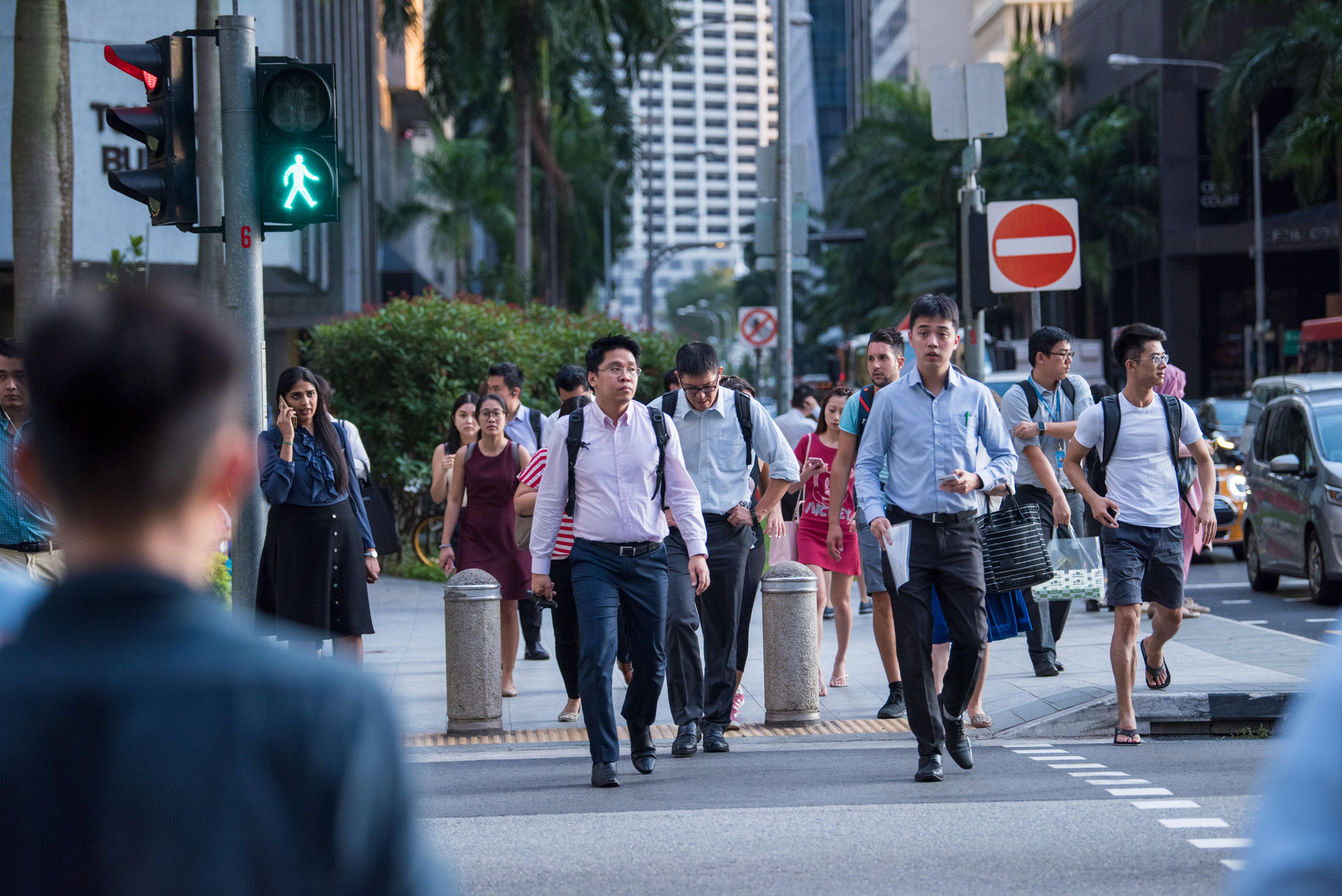
Photo: Depositphotos/ Shadow_of_light (for illustration purposes only)
Only 36% of Singapore job seekers are familiar with skills-first hiring; soft skills and experience outweigh degree—report

SINGAPORE: Only 36 per cent of job seekers in Singapore are familiar with skills-first hiring, compared to 67 per cent of managers, according to Indeed’s latest Smarter Hiring Report.
The report highlighted a disconnect between job seekers and employers despite more than half (59 per cent) of Singaporean companies planning to adopt skills-first hiring.
What is skills-first hiring?
The report defined skills-first hiring as a move away from traditional recruitment methods by focusing on a candidate’s job-relevant skills rather than academic credentials. Meanwhile, job seekers think skills-first hiring means assessing the skills needed for a job, while employers see it as looking at a candidate’s demonstrated competencies relevant to a job.
While employers see this approach as a way to attract quality talent, improve workplace innovation, and reduce hiring bias, job seekers may not yet fully understand how to navigate this shift.
Rachael Townsley, Marketing Director at Indeed APAC, said, “Skills-first hiring is gaining traction in Singapore, but the hiring ecosystem must be on the same page to realise its impact.”
She added, “Without alignment, employers lose access to a diverse talent pool, and job seekers miss out on career opportunities that match their strengths. All parties should strive to better understand what skills-first hiring means and communicate their expectations clearly in the recruitment process.”
Soft skills and experience over degree
The report also revealed seven in 10 Singaporean employers are prioritising soft skills such as teamwork, communication, and critical thinking over technical skills—a shift away from valuing credentials alone. Now, 70 per cent of Singaporean employers are more willing to hire candidates with relevant work experience but no degree than those with a degree but no experience.
Ms Townsley noted that this change recognises the importance of diverse skills in an evolving job market. “The focus on skills and experiences in specific sectors is an exciting trend that will contribute to a more resilient and adaptable Singaporean workforce,” she added.
AI’s growing role in recruitment
The report also highlighted artificial intelligence’s (AI’s) positive impact on hiring solutions, with 36 per cent of Singapore job seekers finding it helpful for cover letters, assessments, and applications. Meanwhile, 41 per cent of employers using AI said it mainly helps in identifying candidates.
Newsletter
Get updates straight to your inbox
According to the report, AI is expected to play a bigger role in hiring in the future. With “safeguards and thoughtful design”, it could streamline recruitment processes, reduce bias, and strengthen how employers assess candidates, leading to a fairer process and a more positive hiring experience for everyone. /TISG
Featured image by Depositphotos (for illustration purposes only)