
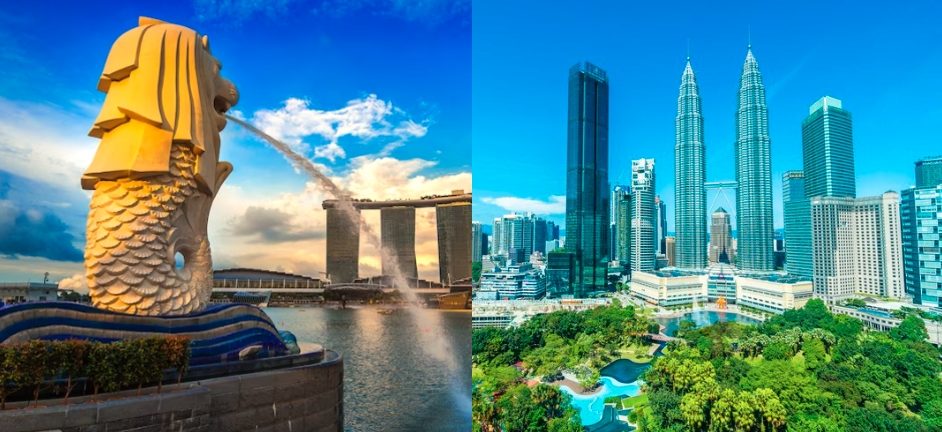

SINGAPORE: In Southeast Asia, language reflects the diverse cultural threads of a region. Malaysia and Singapore, close neighbours, have nurtured two unique variants of English – Singlish and Manglish. So, what’s the difference?
These Creole languages mirror the history, culture, and stories of these nations. Yet, they each have unique characteristics that set them apart. For those new to Singlish and Manglish, navigating their intricacies may initially seem challenging.
Singlish vs Manglish
To get you started, we’ve compiled a list of common words you might encounter in everyday conversations in Singapore and Malaysia, highlighting the subtle distinctions, as described by Coconuts Singapore.
Sia vs Sial
One big difference between Singlish and Manglish is the frequent use of the word “sia” or “siah” in Singlish and “sial” in Manglish.
“Sia” or “Sial” in Singlish is a word used to emphasize something or show envy.
For example, in Singlish, you might hear someone say, “Crazy sia!” which means, “Wow, that’s really crazy!” or “That’s amazing sia!” which means, “That’s really impressive!”
In Manglish, they have a similar word, “sial,” but it’s considered a bit stronger.
It can be used to express frustration or irritation, like “You’re so sial, lah!”
Tikam vs Tembak
In Singlish, the word “tikam” is used in a sentence like: “I didn’t study for the test so I just tikam only.” Here, “tikam” means doing something without being fully prepared, like taking a guess.
In contrast, “tembak” in Manglish might be used like this: “The test was so hard, I just
tembak only lah” or something like “Don’t just tembak your opinions; think before you speak.” Here, “tembak” means expressing opinions without much thought or consideration, as if you’re not using your brain much.
In simple terms, both words suggest doing things without putting in much thought.
Genna/Kana vs Kena
In Singlish, the words “genna” or “kena” means facing something bad, like getting scolded by your boss if you’re late for work many times.
In Manglish, “kena” means facing something bad too, like getting fined if you park your car anywhere you want without permission.
Gajiao vs Kacau
“Kacau” means to bother or annoy someone, and it’s used in both Singlish and Manglish. However, in Singlish, people sometimes spell it differently to be creative with language.
In Singlish, you might say, “Don’t gajiao me!” which means, “Don’t bother me”, or “Stop kajiao-ing me lah!” which means, “Stop bothering me!”
In Manglish, you might hear someone say, “Eh, I got kacau last night,” meaning that something or someone bothered or disturbed them (usually not by a person) or “I got kacau by the noise outside,” indicating that they were disturbed by the noise.
Scarly vs Sekali
“Scarly” and “sekali” both mean “what if” or “in case,” but they’re said differently:
In Singlish, you might hear, “Scarly she finds out you’re talking to another girl, you’re in trouble!”
In Manglish, it could be like, “You should make extra food, sekali it’s not enough, what will you do?”
Whether it’s Singlish or Manglish, both Creole languages weave a vibrant tapestry of daily life. Whether navigating ‘gajiao’ moments or contemplating ‘sekali’ scenarios, these distinctive languages infuse conversations with their unique charm.
Children: “chil druhn” (not Chew Ren) — SG’s commonly mispronounced words
 Follow Google News
 Join us on WhatsApp
 Follow us on Telegram