
‘Why can’t we do better to protect the children?’ Parent questions Singapore’s haze measures for schools
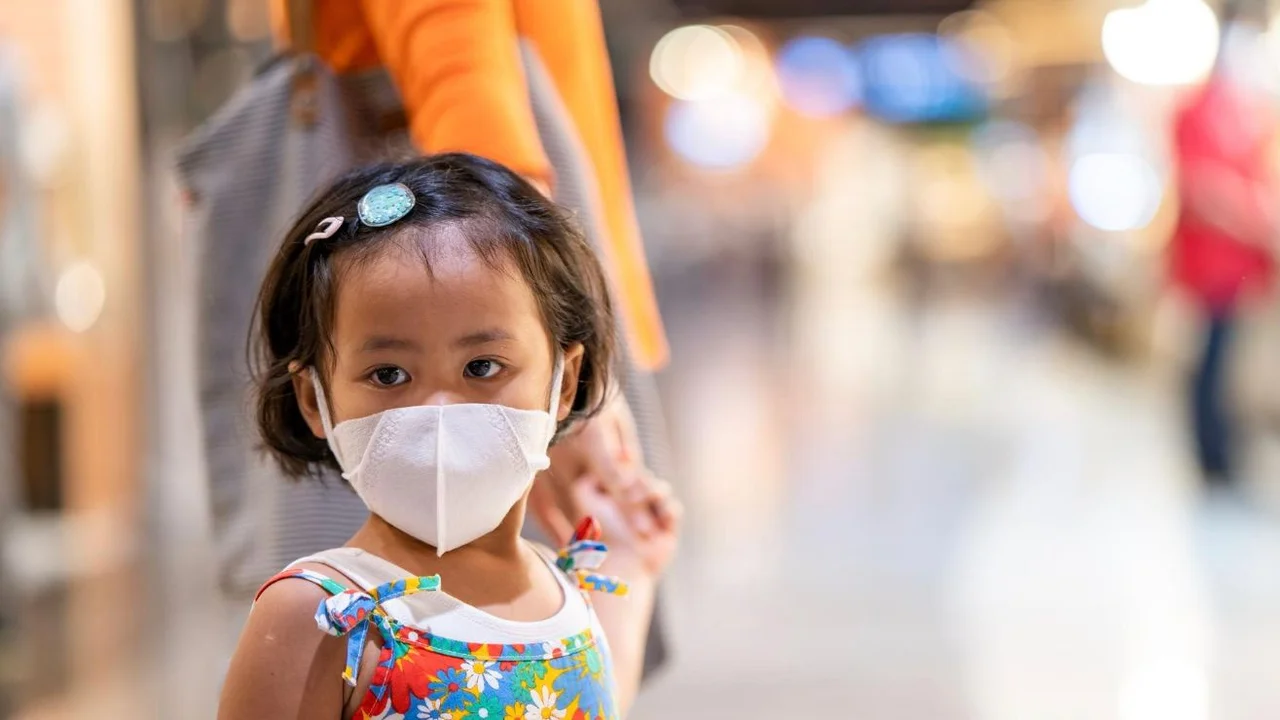
SINGAPORE: As the air quality in Singapore has continued to worsen due to the haze stemming from forest and peatland fires in Indonesia, a local Reddit user on Oct 15 expressed concern over the risks children are exposed to, given that schools have remained open.
On Oct 10, Education Minister Desmond Lee acknowledged parents’ apprehensions about the haze, but said that schools, while activating air purifiers and being ready to step up measures as needed, would remain open. Scheduled exams would also proceed, he added.
“If the forecast for the next day enters into the hazardous range (i.e. exceeds a 24-hour PSI of 300), we will consider closing schools and postponing examinations that day,” the minister wrote.
For the Reddit user, however, the PSI 300 threshold is too high.
“To put that into perspective, a PSI of 300 requires a 24-hour average PM2.5 concentration of 250 µg/m³. A sudden spike of PM2.5 concentration of 300 in the morning will not show PSI 300. The WHO safety guideline for daily exposure is 15 µg/m³,” they wrote.
They opined that by the time the government would consider school closures, “our children will have already been breathing in toxins, highly concentrated PM2.5 for days.”
As for air purifiers, the post author noted that these work properly when windows are closed. With no air-conditioning in primary and secondary classrooms, these spaces rely on natural ventilation.
“If you keep windows open, air purifiers do not work properly, according to NEA’s own guideline. If you keep windows closed, 35 students are packed inside a classroom,” they added.
The Reddit user also pointed out that in Malaysia, which has also been affected by this year’s haze, schools close down when the 24-hour API hits 200, about a 150 µg/m³ PM2.5 level.
“Singapore waits until the air is nearly twice as toxic (average of roughly 250 µg/m³) to take the same action,” the post author wrote, adding that since children are still developing, they are among the groups requiring greater precautions, which the Health Ministry has noted. Severe air pollution may cause adverse cardiovascular and respiratory health effects, though the post author's noted damage may be somewhat alarmist.
They also mentioned the students who are exposed to unhealthy air when they walk or commute to school, as well as the teachers who are also exposed because of working in this environment.
Newsletter
Get updates straight to your inbox
The post author asked, “Why can’t we do better to protect the children? Air purifiers inside a naturally ventilated classroom are more of a placebo than a safety protocol.”
To be fair, schools in Singapore do not wait until the PSI 300 threshold is reached before implementing safety precautions. On Wednesday (Oct 14), after the hourly PM2.5 concentrations reached high levels in Singapore’s western region, many schools suspended all outdoor activities and had students eat indoors or return to their classrooms immediately after buying food in open-air canteens. /TISG