
WFH, school closures return in parts of Asia as Middle East war hits energy supply
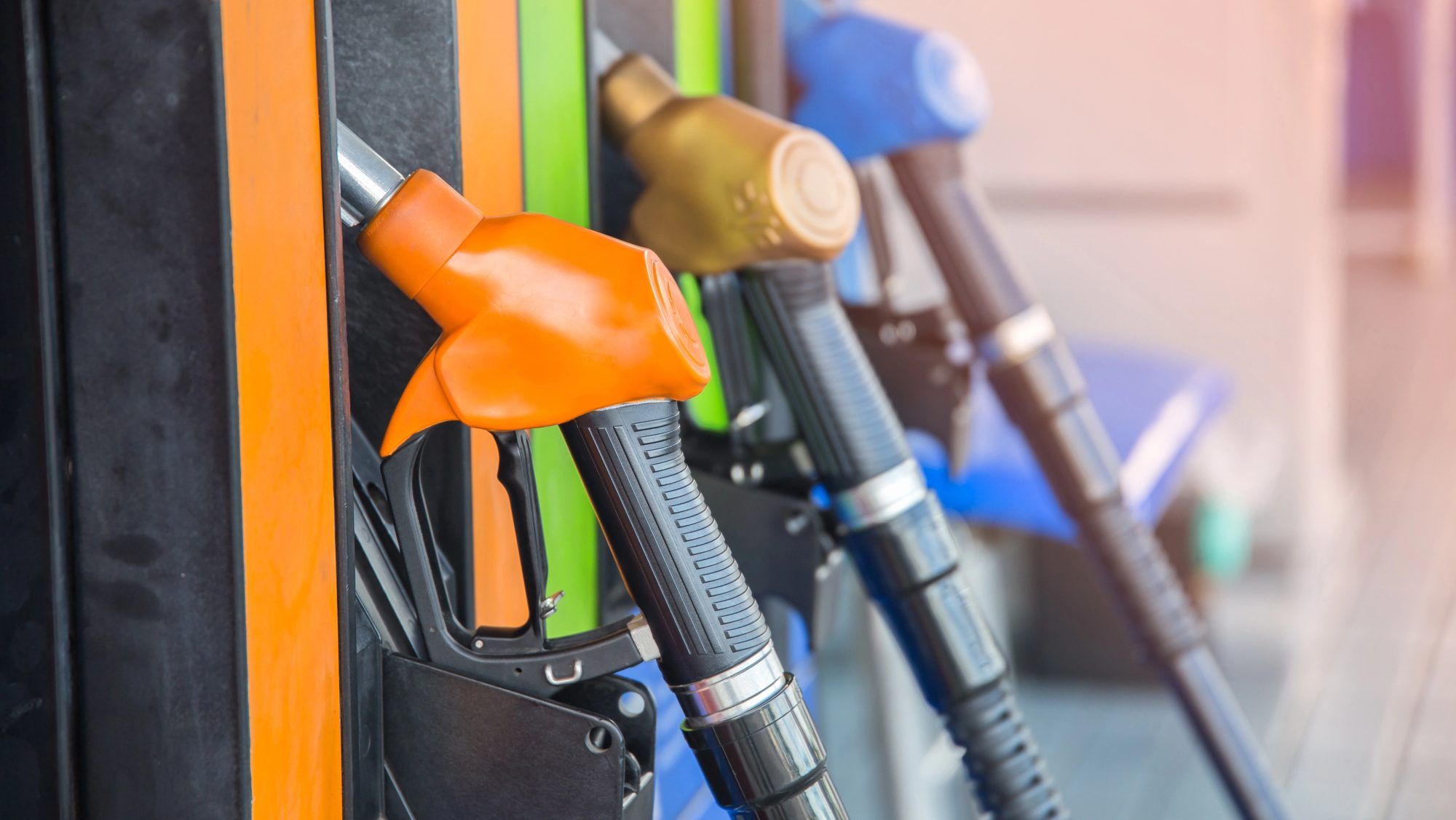
Singaporeans affected by high pump prices with the conflict in Iran driving up prices of crude oil
ASIA: With the COVID-19 pandemic barely in our collective rearview mirror, memories of lockdowns and work-from-home arrangements are not yet a distant memory. However, in an interruption to the normalcy of the past few years, many countries in Asia are now gearing up for measures that are similar to those of that time. The war in the Middle East, which began on Feb 23 when the United States and Israel began bombing Iran, has caused supply disruption that hit Asia, which is more than 80% dependent on the Gulf for its oil and gas needs, harder than others.
The goal at this point is conserving fuel as opposed to containing infections, but these methods of geopolitical crisis management are similar to those from a few years ago.
Indian Prime Minister Narendra Modi said in Parliament on March 23, “Due to this war, the conditions of the world are set to remain difficult for a long time. Therefore, we must be prepared to face the long-term impact, and we must stand united. We have faced such challenges even during the pandemic. We now have to be ready once again. We have to face each challenge with patience.”
Work from home
After the International Energy Agency recommended work from home as one of the measures for households, businesses, and governments to adopt against oil shocks, South Korean Energy Minister Kim Sung-whan called it “a good idea,” and added that the government would “consult with relevant ministries and actively consider measures for work-from-home.”
Some government agencies in the Philippines have adopted a shorter in-person work week, as Philippine President Ferdinand Marcos declared a “national energy emergency” in the wake of the widening conflict in the Middle East.
He mentioned “the resulting imminent danger posed upon the availability and stability of the country’s energy supply,” in a March 24 statement. The country bought oil from Russia this week for the first time in five years.
In the government of Thailand’s Prime Minister Anutin Charnvirakul, officials were told not to take business trips overseas and work from home, as well as to wear short sleeves and use stairs instead of elevators.
School shutdowns
In Pakistan, meanwhile, more workers are similarly staying home for work. Additionally, schools were closed for two weeks.
Newsletter
Get updates straight to your inbox
Sri Lanka has implemented a public holiday each Wednesday as another means of conserving energy.
In Bangladesh, university campuses have been shut down. The country also said Ramadan holidays would come earlier this year, and temporary blackouts were also announced.
Economic stimulus and subsidies
During the COVID years, governments were also more generous with subsidies and support packages. Different countries are now also implementing these in the effort to curb inflation, such as Japan, which has released billions of dollars in fuel subsidies to set limits on fuel prices. In New Zealand, cash payments will be given starting April 1 to low-income households amid the global energy crisis to help them cope with economic shocks. /TISG
Read also: Vivian Balakrishnan calls closure of Strait of Hormuz an ‘Asian crisis’