
International Energy Agency pushes 10 measures for households, businesses, and governments to adopt against oil shocks
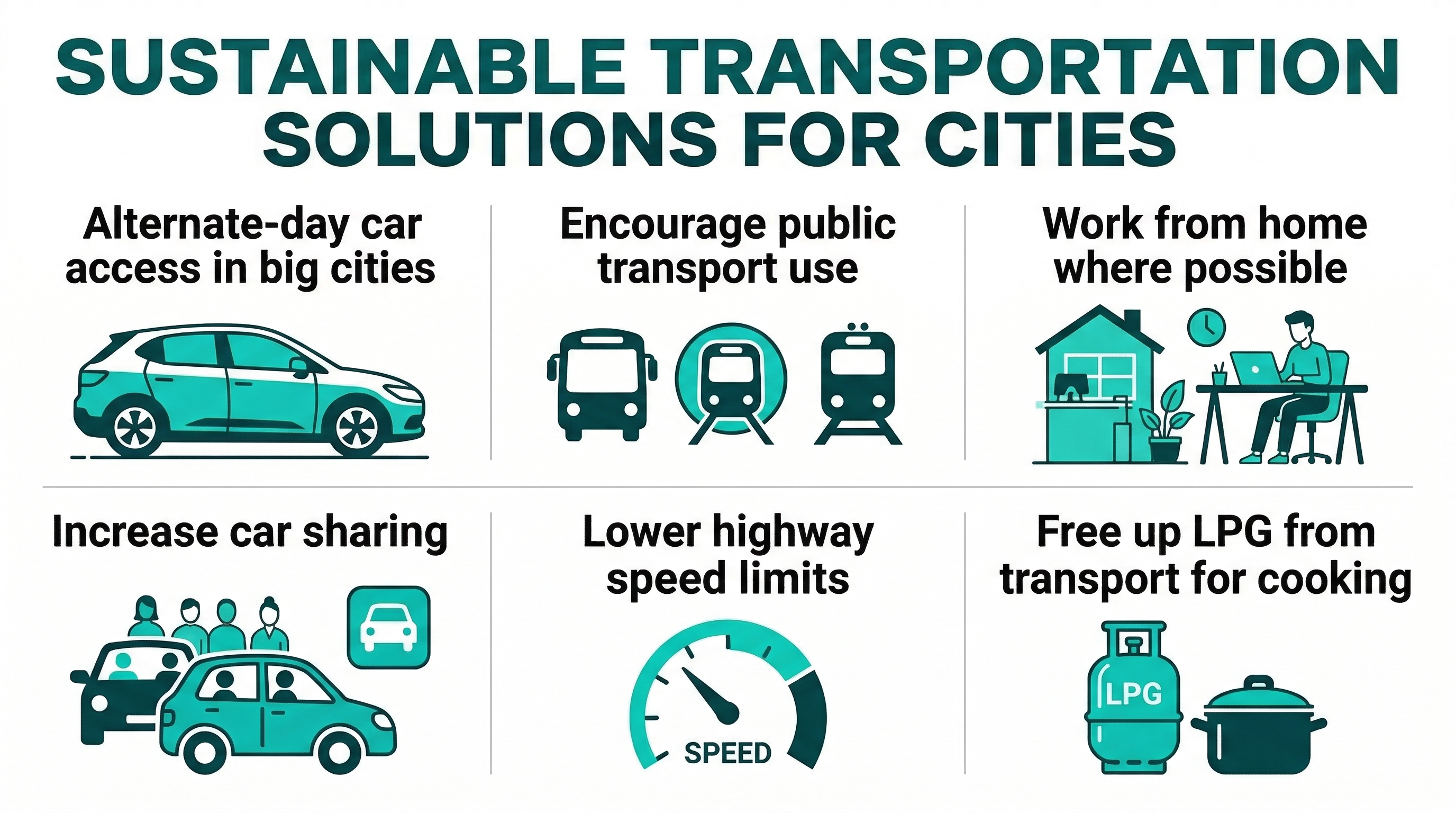
Sustainable Transportation Solutions
PARIS: The International Energy Agency (IEA), the body that advises nations about the supply of energy across the globe, recently published a list of measures that households, businesses, and governments should not ignore in light of the oil crisis brought about by the ongoing conflict in the Middle East.
The conflict has all but closed the Strait of Hormuz, where 15 million barrels of crude oil and 5 million barrels of oil products are used to traverse daily. This is around 20% of global oil consumption. This situation has caused the price of crude oil to rise to over US$100 (S$128.4) per barrel. It has also been particularly concerning for Asia, which gets much of its oil from the Strait.
“The loss of supply is having significant impacts in global markets, pushing up prices for crude oil above US$100/barrel and leading to much higher prices for some refined products – notably diesel, jet fuel, and liquefied petroleum gas (LPG). Concerns are growing about the impacts of higher prices on households, businesses, and the broader economy,” IEA said on March 20.
Sheltering from oil shocks
The IEA said that in adopting the measures below, while governments can take the lead both through facilitation and by example, individuals and businesses may directly adopt many of the options.
Work from home arrangements, which can significantly reduce oil consumption due to commuting. Adding just three remote workdays can already have a significant impact.
Slower driving. A 10% reduction in the speed limit on motorways will mean savings for private cars as well as freight trucks.
Encourage public transport, cycling & walking. Having people choose to take buses or trains may cut oil use at a national level by 1% to 3%, with further reductions when people opt to cycle or walk for shorter journeys.
Alternating private car access on different days of the week. Only allowing private cars on roads in bigger cities based on certain days, their number plate not only cuts traffic but also saves up to 5% of car oil use.
Encourage car sharing & adopt efficient driving practices. Having more people in each vehicle, plus habitual practising such eco-driving measures as maintaining tyre pressure, adjusting air conditioning settings, and efficient driving practices, can decrease fuel demand for cars by about 5% to 8%.
Adopt efficient practices for commercial vehicles. Commercial vehicles should practice the same eco-driving measures as above, including reducing idling, braking, and accelerating, as well as optimising vehicle loads.
Reserve Liquefied Petroleum Gas (LPG) for prioritised uses. Vehicles that run on LPG make up about 2% of the global car fleet. These should be switched to gasoline so that LPG can be reserved for prioritised uses, including cooking.
Newsletter
Get updates straight to your inbox
Reduce taking flights when options are available. Reducing air travel when possible may decrease the demand for jet kerosene by as much as 15%.
Switch from LPG to other cooking options. With the supply of LPG severely disrupted by the war in the Middle East, households should look to electric and other alternative modern cooking solutions.
Maximise the use of alternative raw materials in chemical production. Chemical factories that use oil may switch between different types of oil (like LPG, naphtha, or others), allowing them to use another type when one is in short supply, such as LPG is at the moment. /TISG
Read also: Oil could hit US$175 — Singaporeans already feeling the squeeze as costs rise