
Studies show that remote & hybrid workers work longer—and harder—than those who go to the office

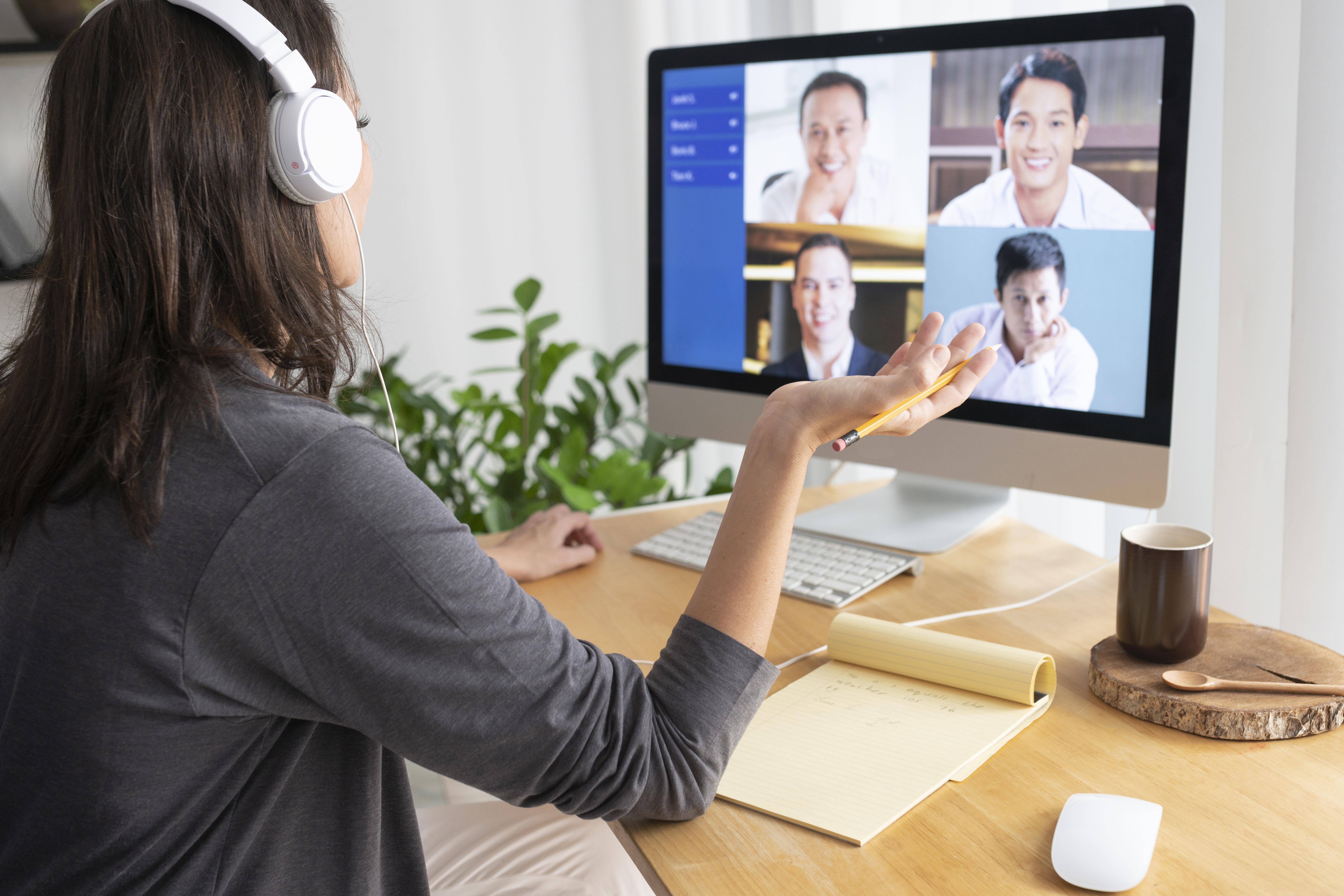
Photo: freepik.com/Telework (for illustration purposes only)
SINGAPORE: A number of studies are proving what people who work from home have known all along that instead of slacking off or being less productive (as employers have long feared), people who telework work longer and harder.
A study of 60,000 Microsoft employees from the first year of the Covid-19 pandemic showed that working from home gave rise to an inconsiderable 10 per cent increase in working hours, a July 24 piece in The Hill says.
Part of the reason for this productivity boost is that workers' commuting time gets redirected when they don’t have to take the bus, train, or other means of transport and/or get stuck in traffic to and from work.
A study from 27 countries showed that people who telework save more than an hour—or a whopping 72 minutes—every day that they don't commute. And from the time they save, half an hour daily gets added to their working hours, which comes up to over two hours of additional work weekly.
But even before Covid shut down offices, greater productivity was already occurring among remote workers.
A study of Chinese travel agency workers carried out before the Covid pandemic showed that home workers got a 13 percent boost in performance, working longer shifts. And instead of winding down as the shifts went on, each hour of the shift turned out to be more productive, not less.
And now, three years after Covid broke out, more and more people worldwide are expressing a preference for at least a hybrid work model.
In 2019 in America, a Gallup poll showed that 40 per cent of workers wanted to work from at least part of the week. Last year this figure rose to a whopping 94 per cent.
Newsletter
Get updates straight to your inbox
In Singapore, the trend is similar. A recent study showed that jobseekers in Singapore still want to work from home. Employers, however, are offering fewer positions that involve remote work.
Data from Indeed, a US-based global employment website for job listings, shows that 6.6 per cent of employment postings contain “work from home” or “remote work” in their descriptions in May of this year, a figure far lower than in late 2021. /TISG
https://theindependent.sg/singapore-jobseekers-are-still-looking-to-work-from-home-but-employers-may-be-feeling-otherwise/