

SINGAPORE: Singapore’s furniture industry is elevating indoor health standards with the launch of the Enhanced Sustainability Furniture Mark by the Singapore Furniture Industries Council (SFIC).
“This ensures greater protection for consumers and a stronger commitment to safety, health, and wellness across the industry,” SFIC said in a press release.
The new regional benchmark will have Total Volatile Organic Compound (TVOC) thresholds and a tiered system to allow companies of all sizes to participate while moving towards international standards. It also encourages businesses to develop a chemical inventory, source materials responsibly, adopt a circular design, and follow global ethical labour standards.
SFIC also plans to start accreditation under the enhanced furniture mark in 2026, providing businesses with training, technical support, and resources to help them transition smoothly.
Furniture that meets the new benchmark will also have a ‘distinctive new logo’ to help consumers identify it at a glance.
The initiative is the first in ASEAN and builds on earlier formaldehyde limits by targeting a wider range of VOCs, including benzene and toluene. These chemicals are released from common materials and can build up in poorly ventilated spaces, especially air-conditioned environments.
According to studies, indoor air can be two to five times more polluted than outdoor air, with furniture and building materials making up more than 80% of pollutants found indoors.
Exposure to VOCs is linked to both short-term and long-term health risks, which range from eye and throat irritation, headaches, and fatigue to more serious conditions such as respiratory problems, cancer, and neurological and reproductive damage. Exposure to VOCs also leads to reduced workplace productivity, higher sick leave rates, and increased healthcare expenses, affecting the economy.
SFIC president Joshua Koh said indoor air pollution is often overlooked despite the ‘invisible threat’ it poses.
He noted, “The Enhanced Sustainability Furniture Mark fills a critical gap by setting clear, science-backed requirements for VOCs management. It ensures that furniture in Singapore meets stringent safety standards, protecting the health of our people, and supporting a sustainable future for the industry.”
The new benchmark will follow strict, internationally recognised testing methods and introduce independent checks at every stage, including a public certification list and an independent panel to maintain trust and transparency.
SFIC’s move comes as the eco-friendly furniture demand in the Asia-Pacific is projected to reach US$20.8 billion (S$26.69 billion) by 2030. In Singapore, the office furniture market alone is expected to reach over US$900 million by 2032. /TISG
Read also: Singaporeans save 21,970 tonnes of carbon emissions by buying second-hand furniture, report says
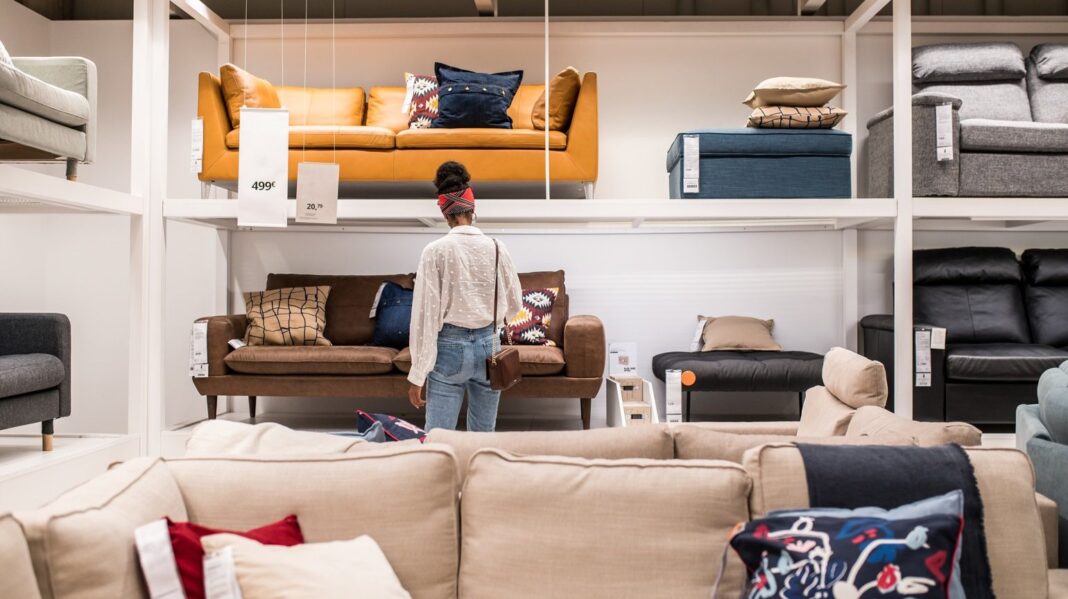
Featured image by Depositphotos (for illustration purposes only)
 Follow Google News
 Join us on WhatsApp
 Follow us on Telegram