
Singapore's Bungalow market is "down but not out"

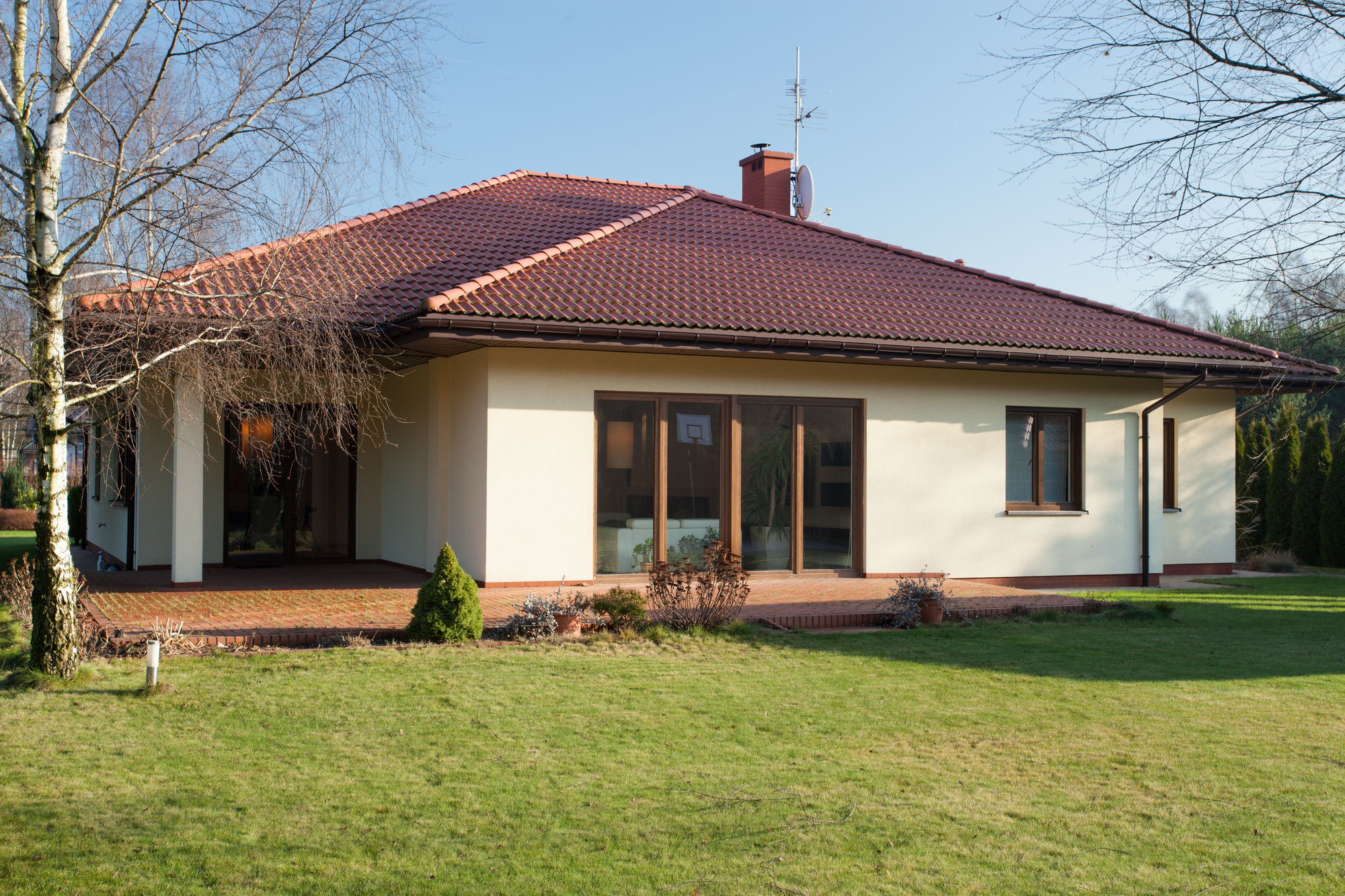
Photo: Depositphotos/photographee.eu(for illustration purposes only)
SINGAPORE: Sales of Good Class Bungalow (GCB) houses in Singapore's property market hit a historic low in 2023, marking a notable downturn.
However, Han Huan Mei, research director at List Sotheby’s International Realty in The Business Times, opined that Singapore’s bungalow market may be “down but not out.”
Prospective buyers of bungalow homes are poised on the sidelines, anticipating a price drop from sellers.
For many Singaporeans, owning a landed property symbolises prestige and serves as a cornerstone for long-term legacy planning.
These spacious homes, set on sizable plots of land, are a rarity in the land-constrained city-state, with only 5% of residents residing in landed properties.
According to transaction data from the Urban Redevelopment Authority (URA), sales of landed homes fluctuated between 1,300 and 1,800 units annually over the past five years (2019 to 2023).
The surge in demand in 2021, reaching 3,080 units, was due to the COVID-19 pandemic, prompting a quest for larger living spaces to accommodate remote work and learning.
However, data from the Urban Redevelopment Authority (URA) paints a stark picture: only 1,268 landed homes changed hands in 2023, down from 1,681 in the previous year.
Despite this slump, prices continued to climb, with detached house prices rising by 8.4% to S$1,699 per square foot (psf), semi-detached prices by 12.4% to S$1,678 psf, and terrace house prices by 9.4% to S$1,888 psf.
Astronomical prices at Good Class Bungalow Areas
At the forefront of this downturn are transactions within the exclusive GCB Areas, where detached houses command astronomical prices.
With only 18 GCB deals in 2023, marking the lowest sales volume since 1996, the luxury property market faced headwinds from global economic uncertainties, rising interest rates, and local property cooling measures.
Discerning and cautious buyers held back, citing “too high” asking prices. The sentiment was clear: unless a property met all criteria, including location, design, and plot size, buyers were unwilling to pay a premium.
Despite the overall decline in transactions, notable high-value deals made headlines.
Notably, the Fangiono family, a prominent figure in Singapore's business landscape in palm oil production named First Resources, acquired a portfolio of three GCBs for S$206.7 million.
Newsletter
Get updates straight to your inbox
Such transactions indicate the enduring interest in prime real estate despite the downturn.
However, the party seemed to end abruptly following a high-profile money-laundering bust in August 2023.
The following fallout saw luxury properties sitting vacant, with landlords grappling to secure tenants amid stigma and apprehension compelling them to adjust rentals up to 30% or more.
What’s in store for Singapore’s bungalow market this year?
Looking ahead, uncertainties linger over the bungalow market's trajectory in 2024. Increased property taxes, coupled with geopolitical tensions, cast a shadow over future demand.
Yet, there remains optimism among potential buyers awaiting price adjustments. /TISG
Read also: Analyst: ABSD adjustments’ impact on property developers may be negligible
Featured image by Depositphotos