
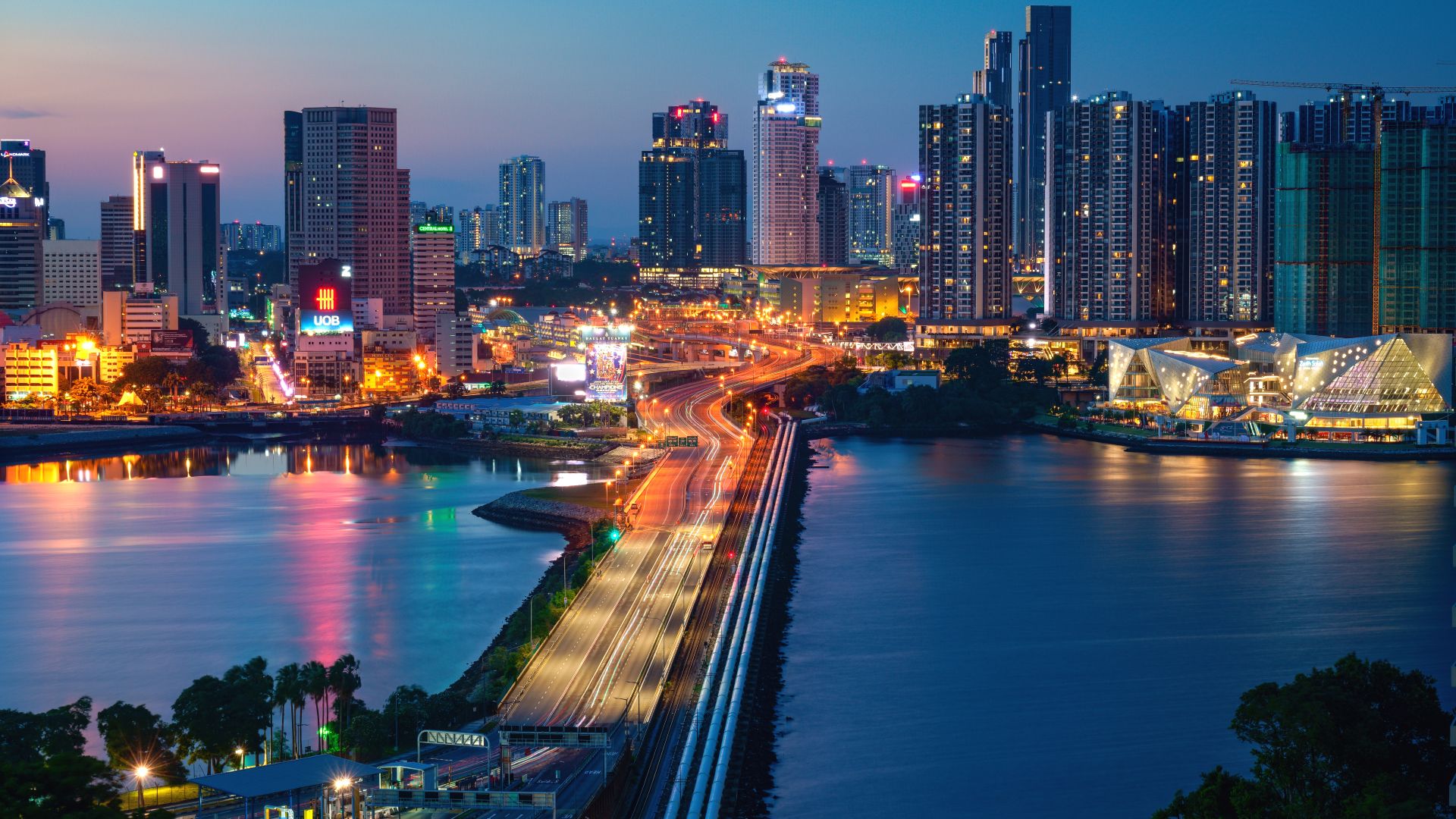

SINGAPORE / MALAYSIA: Johor’s next phase of economic growth is expected to be driven by two major developments: the Rapid Transit System (RTS) Link connecting Johor Bahru to Singapore and the Johor-Singapore Special Economic Zone (JS-SEZ). However, according to Invest Johor, business leaders are warning that the benefits will not flow automatically to local companies unless they move quickly to modernise.
Speaking at a panel session titled “How Will Infrastructure Shape Johor’s New Phase of Growth?” held during the Malaysian International Chamber of Commerce and Industry (MICCI) Southern Region Monthly Gathering, MICCI Southern Region Chairman Lee Ting Kiat said both projects would be transformative for Johor, but only if the local business ecosystem is ready to capitalise on them.
The RTS Link: Certainty as a competitive advantage
For the business community, one of the most significant contributions of the RTS Link is something that might sound mundane but has long been a genuine operational headache: predictable travel time across the Causeway. This certainty can be used by businesses to maximise profits.
“In the past, businesses had to plan their operations around unpredictable travel times across the Causeway to meet clients or mobilise their workforce,” Lee said. “With the RTS Link, this uncertainty can be reduced, enabling companies to plan their operations more efficiently and effectively.”
Beyond workforce mobility, Lee said the RTS Link is expected to stimulate the property market around Johor Bahru, particularly residential and commercial developments near major transportation hubs. This ripple effect that has already begun showing up in developer and investor interest in the area.
The JS-SEZ: Spillovers for the local ecosystem
The establishment of the JS-SEZ is expected to accelerate growth in Johor’s industrial sector, generating spillover benefits across the wider support ecosystem, including manufacturers, logistics providers, engineering firms, and technology companies. This can already be seen with the rise of manufacturing establishments in the area.
However, Lee was clear that capturing these benefits would not happen automatically. Johor’s ability to fully capitalise on the economic spillovers from the JS-SEZ depends heavily on the readiness of local companies, particularly small and medium-sized enterprises.
“SMEs can no longer rely on traditional ways of operating. They need to adapt quickly by strengthening their digital capabilities, obtaining internationally recognised certifications and leveraging available government grants,” he said, as quoted by Invest Johor. “Companies that make these preparations early will be in the best position to seize supply chain opportunities as more foreign investments flow into Johor.”
Infrastructure must keep pace with investment
Lee also flagged a practical constraint that often gets overlooked in discussions about Johor’s investment boom: the pressure that data centre and digital sector investment is placing on utility infrastructure, particularly water and electricity supply.
Continuous improvements to these basic utilities, he said, are essential to ensure that the industrial ecosystem remains sustainable and competitive as demand grows.
Why this matters for Singapore
For Singapore, the message reinforces an assumption underlying the JS-SEZ framework: that the economic benefits of cross-border integration depend not just on headline investments and infrastructure projects, but on the depth and readiness of the local supplier and services ecosystem on the Johor side.
A Johor where SMEs have modernised, obtained international certifications, and positioned themselves within global supply chains is a more valuable economic partner than one where large foreign investments arrive but most of the value chain remains offshore. The MICCI panel’s call to action for local companies is, in that sense, as relevant to the long-term success of the JS-SEZ as any individual investment announcement.
Read also: Joint Singapore-Malaysia immigration system set to streamline border crossings in 2027
 Follow Google News
 Join us on WhatsApp
 Follow us on Telegram