
2 years after turbulence-stricken SQ321, what Singapore’s Transport Safety Investigation Bureau's final report says
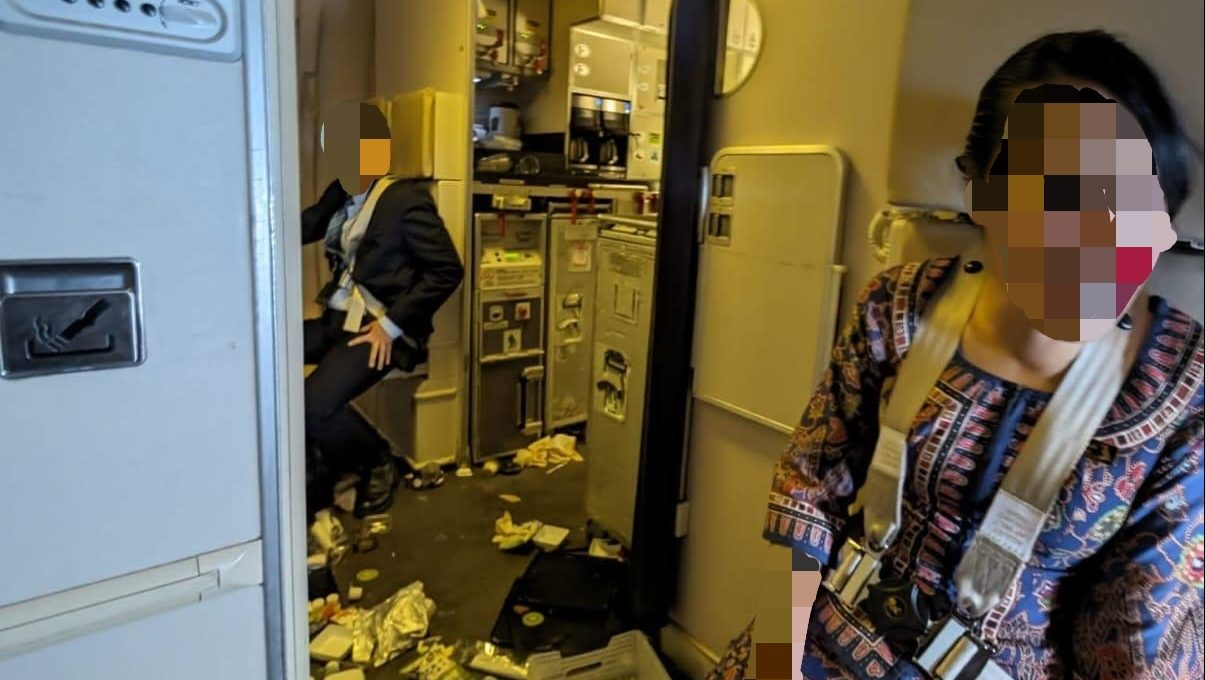
SINGAPORE: Two years after Singapore Airlines flight SQ321 from London was affected by turbulence so severe that the pilot was forced to land in Thailand instead of going on to Changi Airport, the final report from the Transport Safety Investigation Bureau was released earlier this week.
The May 21, 2024, flight had been in the air for more than 10 hours and was at 37,000 feet when it encountered turbulence. The incident, one of the worst involving turbulence in aviation history, resulted in one death and multiple injuries to the 211 passengers and 18 crew members on board.
Fifty-one of the passengers and crew sustained severe injuries, including an Australian woman who was paralysed from the waist down after a grave spinal injury. Twenty-two people, meanwhile, were slightly injured.
Turbulence caused the plane to fall by 178 feet (54.25 m) in less than five seconds and by 6,000 feet (1.8 km) in around five minutes.
Earlier this month, it was reported that three passengers who had been on the flight were suing Singapore Airlines.
What the final report says
The final report from the Transport Safety Investigation Bureau (TSIB) said that what happened to SQ321 had not been a case of classic clear-air turbulence. Instead, the incident was linked to a cumulonimbus storm cloud that had grown quickly and which may have caused “significant vertical air movements such as updrafts and downdrafts.”
However, the report also noted that it “cannot be ruled out” that the radar in the Boeing 777 had failed to detect weather conditions, though there is no evidence from the manufacturer of the radar.
Furthermore, maintenance records cited by TSIB showed that the plane’s radar had not displayed weather events a few days before flight SQ321. While the crew saw storm clouds outside, this did not register on the radar.
From Singapore Airlines’ 29,000 flights between May 2023 and July 2025, more than 100 reported radar issues related to weather, and three of these flights were from the same place used for SQ321.
Newsletter
Get updates straight to your inbox
On May 21, 2024, the pilots and crew did not see any adverse weather events ahead, seeing only a clear flight path. However, at the same time, four other planes flying in the same airspace reported clouds that showed on their weather radar system. These flights proceeded to take alternate routes and only experienced light to moderate turbulence.
TISB said that the actions of the crew with regard to the incident of turbulence had been "understandable and appropriate" for the situation.
In the wake of the incident, Singapore Airlines imposed new safety measures, including changes to its cabin rules, to prevent injuries in cases of turbulence. /TISG
Read also: 3 passengers file lawsuit in UK against Singapore Airlines over turbulence on SQ321