
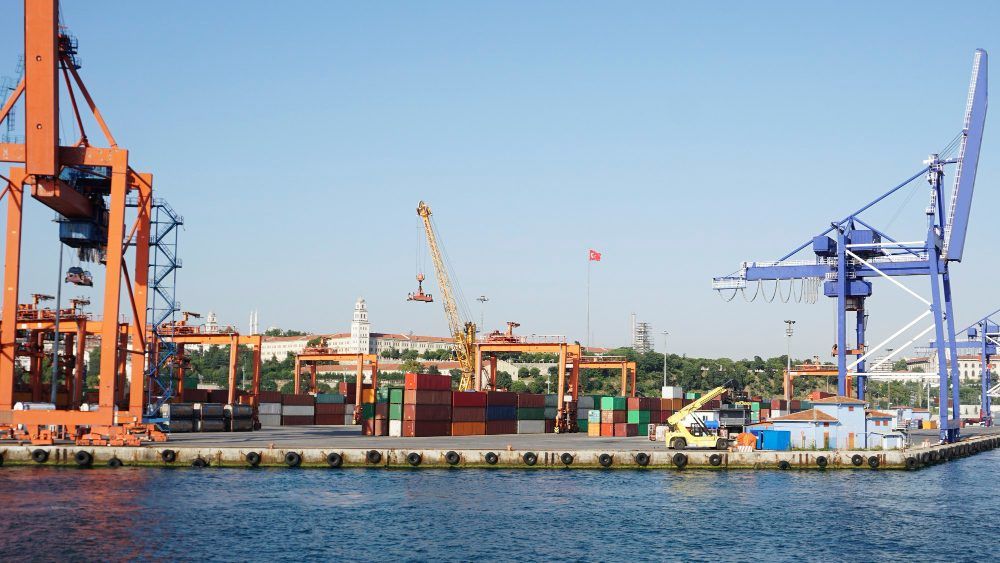

SINGAPORE: At a six-hour-long debate on the future of transport in Singapore in Parliament on Tuesday (July 7), a number of MPs from the opposition Workers’ Party cautioned against the city-state becoming overly reliant on mega-sized and ambitious projects, including Changi Airport Terminal 5 and Tuas Port.
Changes in global trade patterns, as well as developments in technology, may end up reducing the long-term value of these projects, they argued. What may matter eventually may well be increased investments in digital transport infrastructure.
Aljunied MPs Fadli Fawzi, Gerald Giam, and Kenneth Tiong, Sengkang MPs He Ting Ru and Jamus Lim, as well as Hougang MP Dennis Tan, spoke on the motion “Reinforcing Singapore’s position as a Global Transport Hub.”
In light of geopolitical tensions, Mr Giam urged for Singapore to rebalance its long-term capital spending.
“To hedge our exposure to physical trade volatility, Singapore must pivot from being just a physical gatekeeper to also becoming the sovereign digital architect of global trade. By anchoring the financial, legal and operational code of international shipping lines within Singapore’s data jurisdiction, we secure a stronger position of leverage,” he said.
In a similar vein, Mr Tan pushed for the development of exportable Singapore-owned intellectual property, saying, “We must try to fund home-grown, AI-driven global fleet analytics and end-to-end multi-modal routing architectures coded and owned here. When international retailers look for global supply chain software, they should buy Singapore-made platforms, ensuring licensing revenues flow back into our economy.”
Ms He called for Singapore to stay attentive to the increasing importance of digital public infrastructure, defined as the foundational hardware, software, regulatory frameworks and networks allowing the cross-border exchange of digitally ordered or delivered
goods and services. While Singapore is already ahead in terms of digital intensity, the MP argued for the need to strengthen the “people pillar,” pushing for connection and collaboration, instead of close-minded competition.
Assoc Prof Lim, meanwhile, pointed out that globalisation has eroded of late, and warned of potential downsides due to a slowing in the international exchange of goods. He urged, therefore, that megasized physical infrastructure projects be done in tranches instead of in full at once. /TISG
Read also: Tuas Port: Singapore’s ambitious plan to dominate global shipping with full automation
 Follow Google News
 Join us on WhatsApp
 Follow us on Telegram