
WP MPs ask if Singapore's job market is leaving young people behind
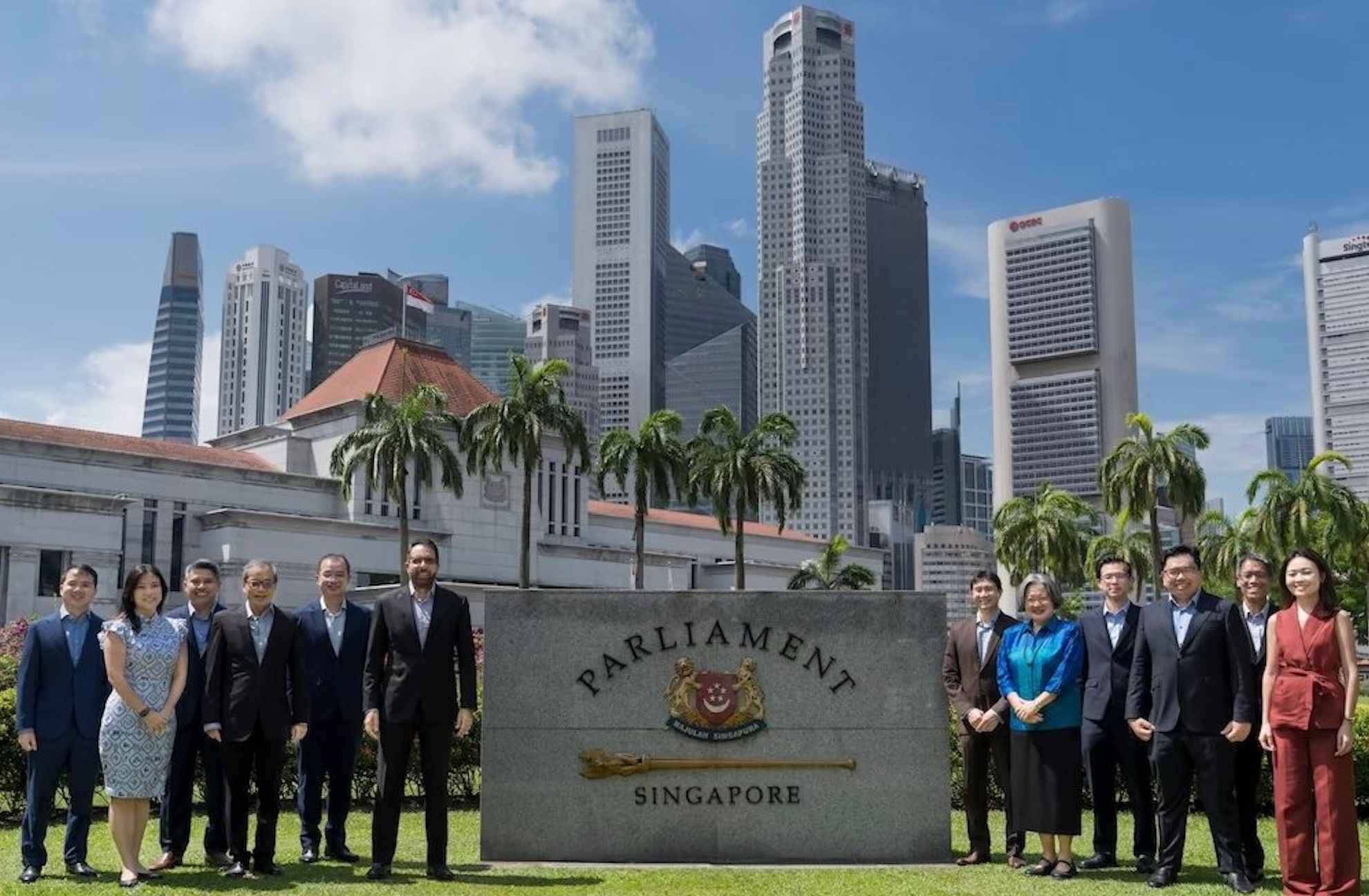
Worker's Party MPs
SINGAPORE: This week in Parliament, Workers’ Party Members of Parliament (MPs) will be raising questions about the latest Graduate Employment Survey (GES), which has shown that fewer Singapore university graduates found jobs within six months of finishing their exams.
The GES was published on March 5 and showed a continuing decline from 2022 in the percentage of graduates who had gained employment within half a year. It also showed that the median monthly salary has stayed the same over the past year at S$4,500.
“Is Singapore’s job market leaving our youths behind?” asked the WP in an April 5 post.
The party characterised the decrease in the number of graduates who were employed within six months as a worrying trend, and pointed out, based on data from the survey, that it is an issue even for "high-demand" sectors like Information & Digital Technologies, not just graduates from Arts courses.
Data has shown that the drop in graduates finding employment within six months has gone down for courses across the board, with the steepest fall recorded by graduates in Arts, Media & Design, 62% in 2024 to 50% in 2025. For Business graduates, it went from 83.8% to 77.8%, for Engineering graduates, from 77.2% to 72.1%, and for those from Information & Digital Technologies courses, from 82.7% to 78.3%.
The WP wrote that among new graduates, there is an increasing"underemployment gap” and pointed out that though many are counted as technically employed, a substantial number of them do freelance work, take on temporary contracts, or become part of the gig economy “just to stay afloat.” This, in turn, could lead to lower wages and stalled careers in the long run, and the WP is calling for targeted assistance that would ensure that new graduates do not get trapped in a cycle of precarious employment.
WP MPs Pritam Singh (Aljunied), Gerald Giam (Aljunied), Louis Chua (Sengkang), and Jamus Lim (Sengkang) will be asking the following questions:
What is the Government's assessment of the 5% drop in full-time employment?
Will targeted assistance be provided for degrees with the lowest employment levels?
Newsletter
Get updates straight to your inbox
How effective are the tax incentives for foreign companies in meeting job creation targets, and what penalties exist if targets are missed?
Does the current Skills Framework align with actual industry needs, and is practitioner engagement sufficient to prevent skills gaps?
This is a topic that WP MPs and NCMPs have been vocal about. Last year, they raised various questions in Parliament, including whether the Graduate Industry Traineeships (GRIT) can help Singapore’s fresh graduates find jobs.
In August, NCMPS Andre Low and Eileen Chong invited new graduates to share their job search experiences, with Mr Low telling them that the struggles are “a systemic problem, and not yours to find alone.” /TISG
Read also: More fresh graduates in Singapore left without job offers, says PSP’s Stephanie Tan