
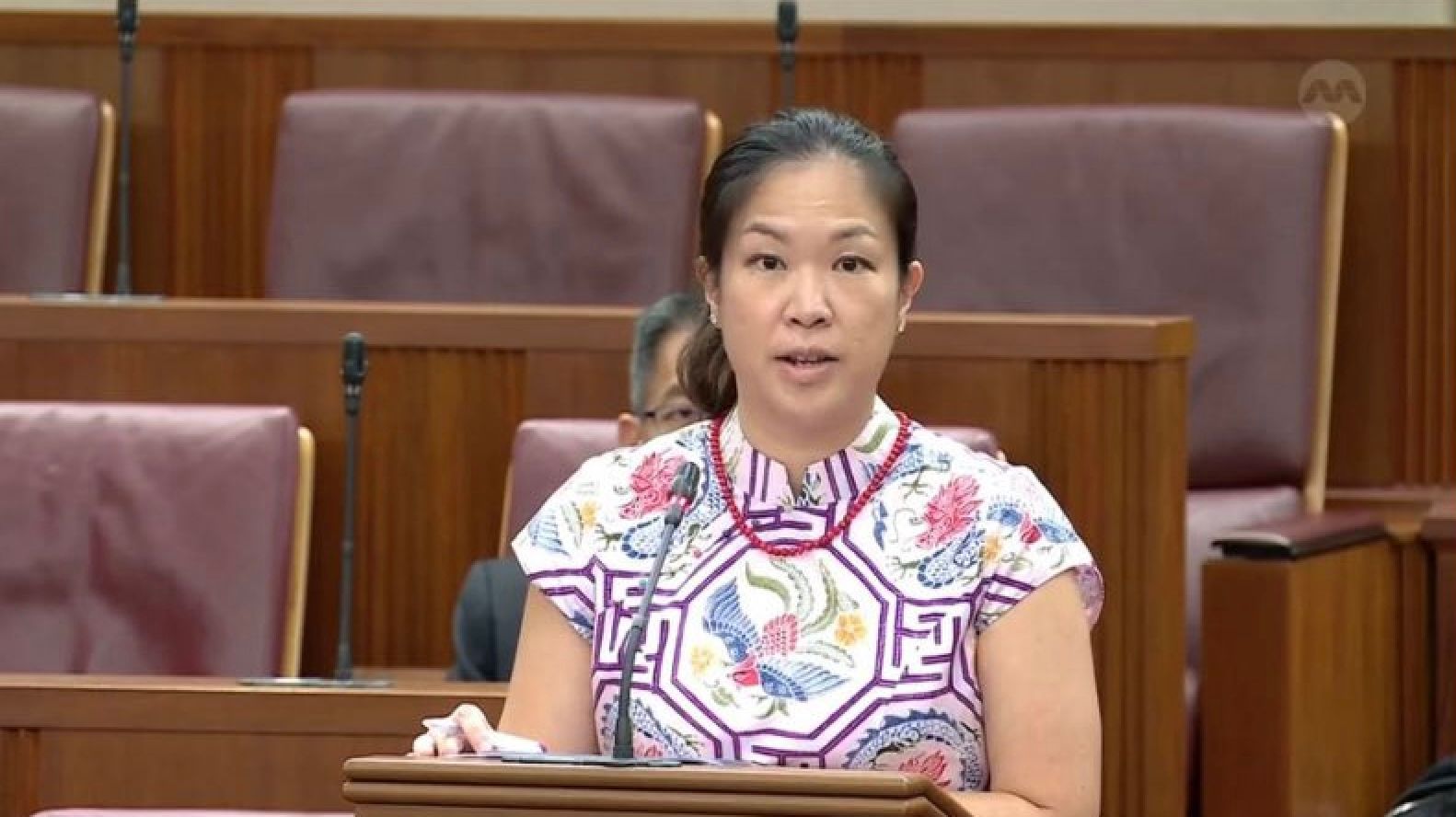

SINGAPORE: In a Facebook post on April 6 (Monday), Workers’ Party Member of Parliament He Ting Ru (Sengkang) wrote that MPs had recently been asked about their plans to beat the heat in Singapore.
The city-state is one of the most consistently hot and humid places across the globe, and 2024 had been its warmest year on record, with 21 days of high heat stress and the highest temperature recorded (36.4°C) in Paya Lebar on April 26.
Helping Singaporeans manage the heat, therefore, is important.
The issue appears to be an important one to Ms He, who had raised the issue of heat resilience in Parliament through an adjournment motion in February 2024. She explained that she had underlined the risks of high urban heat vulnerability, especially in dense estates such as Sengkang.
Ms He added in her post that vulnerable groups must also be prioritised by efforts to mitigate heat resilience efforts. Adults over the age of 65, babies and children, pregnant women, and individuals living with chronic health conditions, especially cardiovascular, respiratory, or kidney disease, are considered to be among the most vulnerable to heat stress. Given Singapore’s ageing society, it would be good to take note of this.
However, the World Health Organisation has also said that people who work outdoors, individuals with limited access to cooling, and low-income persons are susceptible as well to heat-related health conditions.
Ms He said that the efforts to help vulnerable people include “practical support” for those who may need aid to buy electric fans or install blackout curtains.
In 2024, the Sengkang MP said that during heatwaves, air-conditioned community spaces should be made accessible to the public, giving residents places to find relief.
“I will continue to press the issue of heat mitigation in Parliament, because extreme heat is not just an environmental concern, it is a public health and community resilience issue,” she wrote.
As for Sengkang, its Town Council has since begun utilising paint that is heat-reflective for its residential blocks, which started with repainting works at Anchorvale Gardens, wrote Ms He, calling this “a practical step towards improving heat resilience in our neighbourhood.”
The MP also highlighted efforts within the community, citing the example of having partnered last year with a resident about a heat resilience awareness initiative at the inaugural Sengkang Sustainability Event in December.
“We are now exploring more ways to support residents, including practical help for vulnerable households and greater public awareness of extreme heat risks,” she added.
Singapore weather: what to expect this year
Southeast Asia as a whole is expected to experience above-normal temperatures this summer, from March to May, and a developing El Niño later in the year could also increase heat and dryness, though it is not yet known if it will be another record-breaking year.
Singapore will likely feel a substantial degree of heat stress, but not extreme spikes like inland countries. In Malaysia and Thailand, meanwhile, heatwave conditions are already taking place. /TISG
 Follow Google News
 Join us on WhatsApp
 Follow us on Telegram