
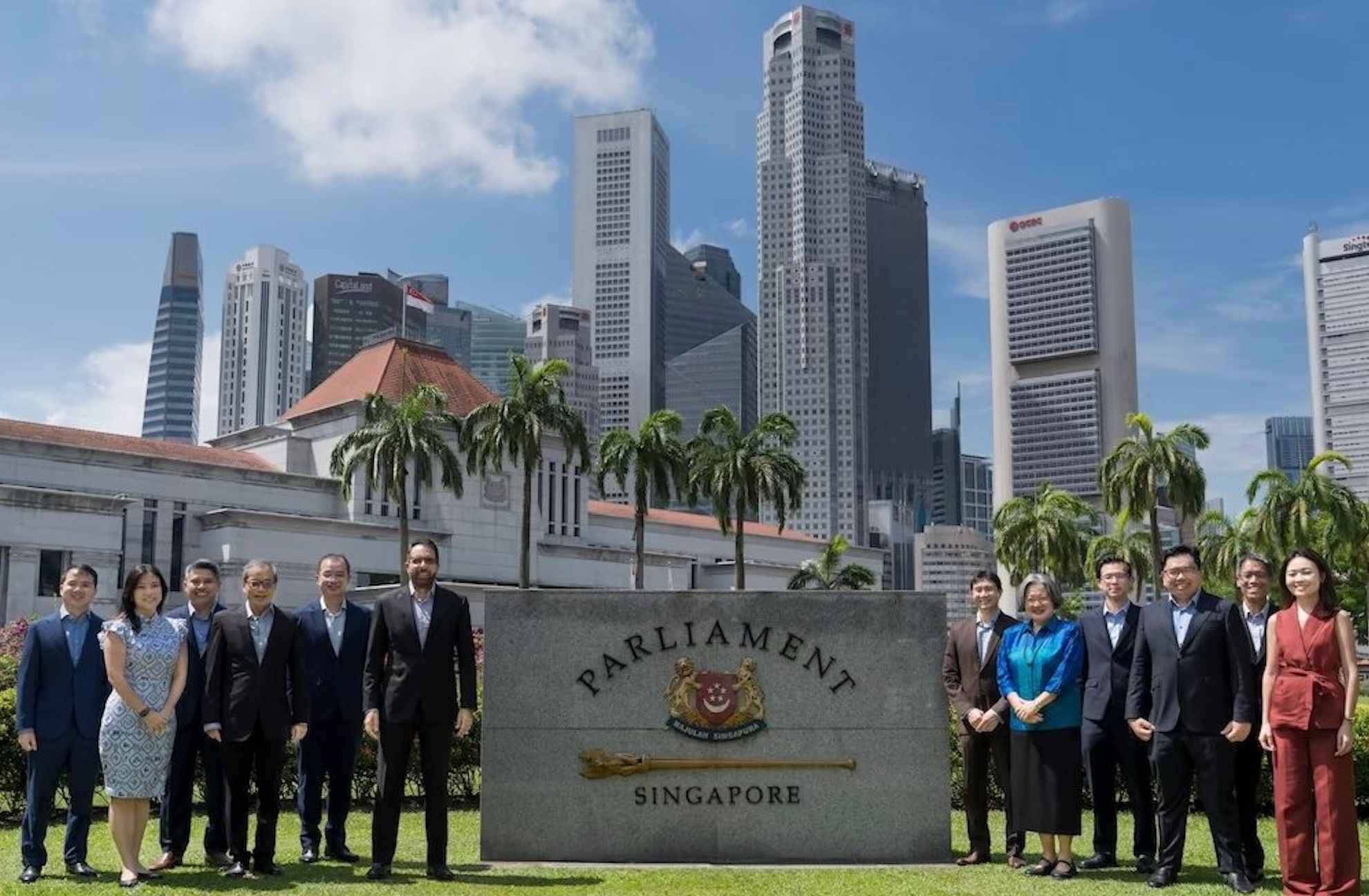
Worker's Party MPs
Workers' Party to raise concerns and questions about the Middle East situation in Parliament
SINGAPORE: For the coming Parliament sessions on April 7 and 8, the Workers’ Party (WP) will be asking a number of questions regarding the war in the Middle East and how it has affected, and will continue to affect, Singaporeans.
The price of diesel rose above S$4 per litre earlier this week, and on Thursday (April 2), after the announcement from United States President Donald Trump of further military escalation sparked market fears of supply shortages, fuel became even more expensive, rising by 5% to 11%.
As the WP pointed out in a Friday morning Facebook post, while global trade has been affected by the closure of the Strait of Hormuz, “for Singapore, this is a direct hit.”
A percentage of Singapore’s supply of liquefied natural gas (LNG), crude oil, and other chemicals that are vital to the city-state’s electricity, transport fuel, and food supply. Though the government has announced that Singapore will diversify its energy sources, its citizens are already feeling the effects of global price shock, including higher electricity, transport, and food costs.
The WP, Singapore’s biggest opposition party and the only one currently with seats in Parliament, called on the Government to be transparent about the country’s strategic fuel stockpiles, as well as provide a clear roadmap for support measures.
“Protecting households and SMEs from extreme price shocks remains crucial to Singapore's survival in a volatile world. We will be pressing the Government on these concerns,” the party said.
It also included the list of questions WP Members of Parliament will be raising, which are:
What specific measures will help households and transport-dependent workers manage price shocks?
What is the Government's assessment of energy supply risks for the next 12 months?
How long will our national fuel reserves sustain electricity generation, and will we declare a "High-Risk Operating State"?
Why does Singapore lack a nationally aligned shipping line to ensure essential supplies amidst regional naval disruptions?
Clarification on the exact "pain points" or price triggers that will lead to more aid for families, including those who fall outside current rebate schemes.
How secure are Singapore's helium supplies, and are there contingency plans in place to protect the semiconductor industry from production stalls?
Newsletter
Get updates straight to your inbox
What the Government has said
On April 2, Prime Minister Lawrence Wong warned about the disruption of fuel and a more unstable global environment, adding that a ministerial committee would be formed to coordinate a national response. Led by Coordinating Minister for National Security K Shanmugam and advised by Deputy Prime Minister Gan Kim Yong, the Homefront Crisis Ministerial Committee will not only update contingency plans but also formulate new ones as the situation unfolds.
While he reassured Singaporeans that support measures for households and businesses are being rolled out to offset rising energy costs, he also called on businesses and households to do their part to conserve energy. /TISG
Read also: Is Singapore’s ‘kiasu-ness’ paying off in the global energy crisis? Redditor asks