
Is Singapore’s ‘kiasu-ness’ paying off in the global energy crisis? Redditor asks
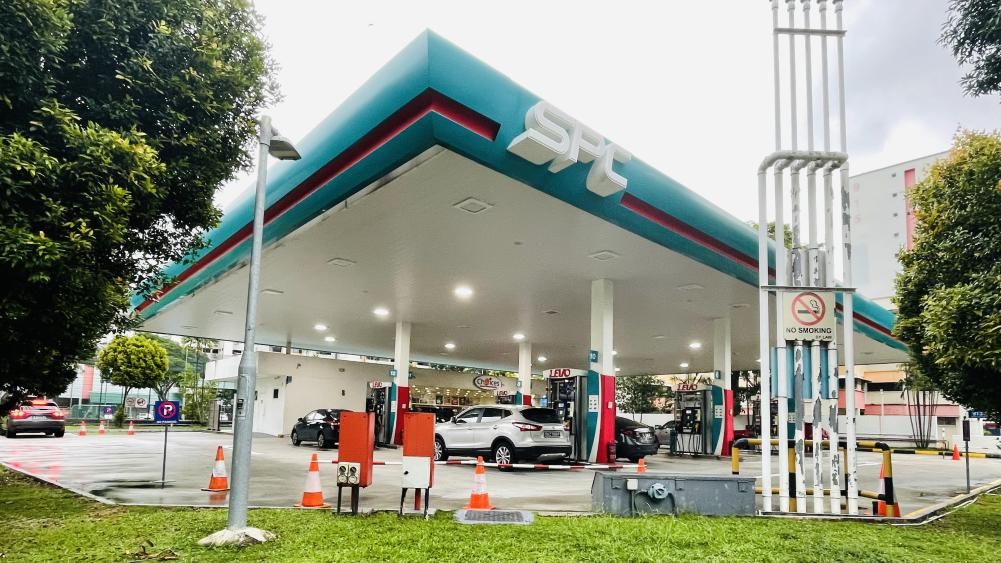
SPC Tampines Ave 4
SINGAPORE: A Reddit user recently noted that in comparison to other countries in the Asia Pacific region, the government of Singapore was “suspiciously chill” in response to the fuel crisis affecting the world as a result of the conflict in the Middle East, which started when the United States and Israel began bombing Iran on Feb 28.
In their post, u/Latubu compared Singapore officials, who have reassured the public that fuel supplies are stable, to those in countries such as Australia, Cambodia, the Philippines, and New Zealand, where an emergency has been declared, there’s a shortage of fuel, and “out of stock” signs have been posted at fuel stations.
“Everything is business as usual in Singapore,” the post author wrote, and asked, “With the largest energy crisis in decades, is Singapore's ‘kiasu-ness’ paying off?”
To the uninitiated, kiasu, in a sense, is Singapore’s brand of FOMO. On the plus side, it means being prepared and working hard. On the minus side, it can mean overcompetitiveness or even selfishness.
“I can't tell if they are genuinely trying to prevent a nationwide scramble, or if our ‘kiasu’ obsession with reserves and being a global refining powerhouse is actually paying off,” added the post author, noting that even Australia has inked a deal with Singapore for its fuel supply.
While they also called it “crazy” that Singapore is “refining so much oil that having months of strategic reserves tucked away gives us a buffer most countries would kill for,” they also wondered if the Government’s reassuring messaging about the fuel supply is “a tactical choice to stop us from triggering a self-fulfilling shortage through panic buying.”
The post author has since received an education of sorts from Reddit users who commented. One pointed out that in Singapore, 95% of Singapore's electricity is from natural gas, which comes from Malaysia, Indonesia, Australia, among other countries. Because of this diversity of sources, Singapore is not nearly as dependent on the Middle East for its energy needs. Oil, meanwhile, is mainly used for transport.
“It shouldn't be a surprise that we're helping our neighbours who are supplying us with natural gas… If they don't prioritise us during a natural gas crisis, we'll be in trouble,” the commenter wrote.
Newsletter
Get updates straight to your inbox
Nevertheless, Singapore is 100% dependent on imported energy, and gas and oil markets are globally linked. This means that supply disruptions still affect Singapore, which remains, like other countries, vulnerable to overall energy supply shocks.
Another wrote, “I trust we do have the reserves AND the other half to that answer is that, it’s just too dynamic a situation to make a fast conclusion of, not that it’s intentionally vague. What the reserves really buy us is time to observe the situation that our peers do not have the luxury of.” /TISG
Read also: Singapore’s ‘kiasu culture’ could be the real reason behind low fertility rate