
'What are we teaching our children?': Prominent wildlife activist decries death of Sentosa crocodile

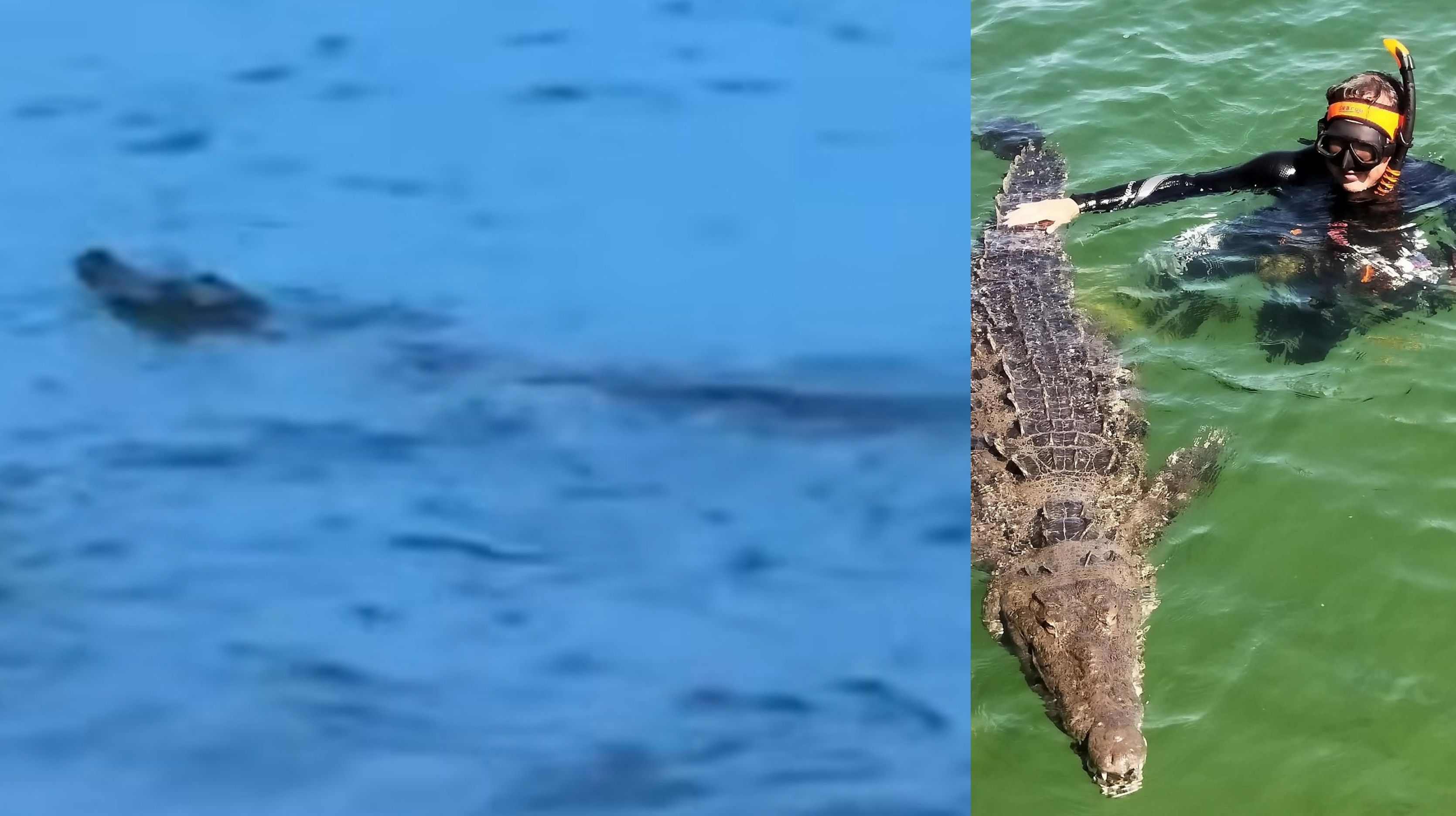
SINGAPORE: Prominent wildlife photographer and conservation activist Michael Aw has condemned the National Parks Board’s (NParks) decision to euthanise the crocodile spotted in the waters off Sentosa, joining a growing wave of criticism directed at the statutory board over the handling of the case.
The reptile, estimated to be about two metres long, was captured and euthanised on May 6. NParks said the move was made due to public safety concerns and the lack of suitable relocation options.
The decision sparked widespread backlash online, with many social media users arguing that the crocodile had not harmed anyone and should not have been put down. Mr Aw echoed those sentiments in a strongly worded Facebook post, where he described the animal as having been “wrongly killed.”
“Just because it entered the waters off Sentosa Cove, Singapore, it was captured, then killed. Not because it attacked anyone. Not because it hunted a child. Not because there was no alternative. It was euthanised so humans could return to the beach,” he wrote.
Mr Aw questioned humanity’s treatment of wildlife, adding, “And we call ourselves the most intelligent species on Earth. What gives humanity the right to decide which life deserves to exist and which does not? Why do we constantly insist we are superior to every other species that shares this planet with us?”
“This crocodile was not a criminal. IT WAS LOST. Where is our compassion? Shall we go around killing lost species of our own?” he added.
The veteran wildlife photographer argued that more should have been done to explore alternatives before the crocodile was euthanised.
“Surely in a nation as advanced as Singapore, relocation possibilities should have been exhausted before execution became the solution. Why were sanctuaries not explored more transparently?” he wrote.
Mr Aw is a well-known figure in wildlife and underwater photography circles, with a career spanning decades. His work has received more than 60 international awards and has been featured in publications including BBC Wildlife, National Geographic, Smithsonian, GEO, Ocean GEOGRAPHIC, Asian Geographic, Action Asia, and Nature Focus.
In 2010, he received the WYLAND ICON award for Conservation, while his documentary “Philippines – Heart of the Ocean” won the Palme d’Or at the World Underwater Pictures Festival in France in 2009. He is also the founder of Ocean Geographic.
Drawing on his own experiences interacting with crocodiles overseas, Mr Aw said coexistence with apex predators is possible when they are handled responsibly.
“As the founder of Ocean Geographic, I, together with many members of our community, have in recent years travelled to Cuba and Mexico to responsibly interact with Saltwater crocodiles in their natural habitat. With due diligence, experienced guides and respect for wildlife, we have never experienced life-threatening encounters,” he said.
He added, “Around the world, people are learning how to coexist with apex predators. Yet here, a lost crocodile was sentenced to death simply because its existence disrupted human comfort.”
“WHAT MESSAGE ARE WE TEACHING OUR CHILDREN? That's when wildlife becomes inconvenient; we kill it? Do apex species only deserve protection when they stay invisible and far away from us?” he asked.
Mr Aw said the incident reflected a troubling attitude towards wildlife and conservation.
“As someone who has spent a lifetime documenting endangered species and witnessing humanity’s relentless expansion into the last wild places, I find this deeply disturbing. Not only for the crocodile — but for what it says about us,” he wrote.
He also called for greater accountability over the decision-making process, saying, “A public inquiry should be conducted into how this decision was reached and whether every possible non-lethal option was genuinely explored. Accountability matters. Compassion matters. Ethics matter.”
Newsletter
Get updates straight to your inbox
In a statement issued on May 7, NParks group director of wildlife management, How Choon Beng, explained why relocation was not pursued.
Mr How said Sungei Buloh Wetland Reserve, which currently has a crocodile population of around 20 animals, was not considered a suitable release site for the reptile. He noted that NParks had previously relocated a smaller crocodile there in 2021.
He added that relocating saltwater crocodiles carries the risk of the animal returning to the area where it was first captured, potentially creating further danger to the public.
NParks also said it had approached Mandai Wildlife Group about taking the crocodile into its care, but the organisation was unable to accommodate the animal.
In a separate statement on May 7, Mandai Wildlife Group said decisions on whether to accept animals are made based on whether it can provide suitable welfare standards and quality of life.
The organisation said it also has to consider the impact on its existing animal population and conservation commitments.
“After careful assessment, we determined that we were not in a position to provide a placement that would meet these standards for this animal,” a spokesperson said.
“This is a difficult situation, and this was not a decision we made lightly,” the spokesperson added.