
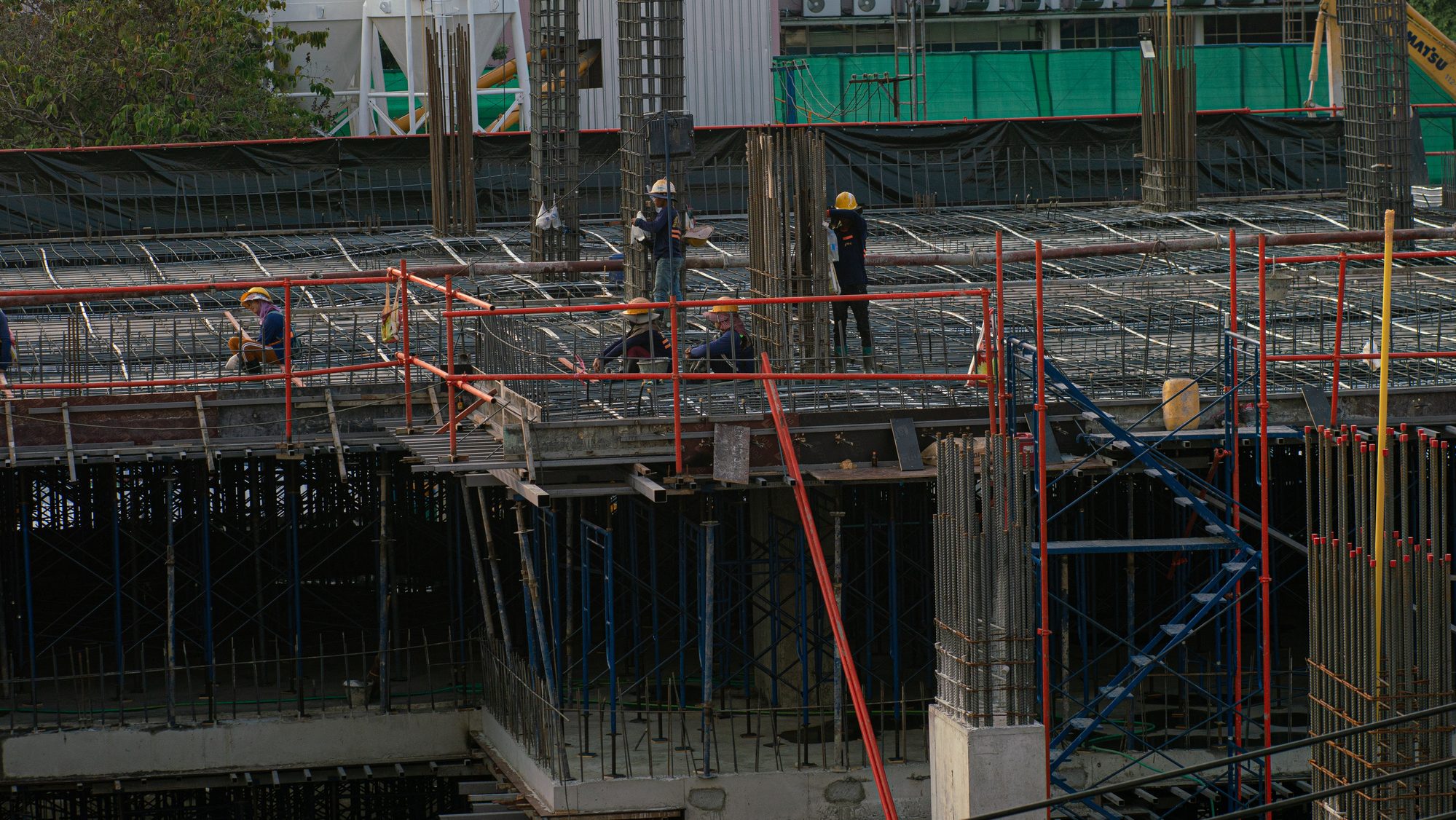

United Nations human rights experts are raising the alarm over what they describe as “widespread and systematic” exploitation of Bangladeshi migrant workers in Malaysia—abuses that, for many, begin long before they ever set foot in the country.
Behind the statistics are real people. More than 800,000 Bangladeshis currently hold Malaysian work permits—the largest group of documented foreign workers in the country. For them, the dream of getting a better life has ensnared them to pay exorbitant fees, usually five times what’s required, their families sold land or availed themselves of debilitating loans, only to find the ‘promised’ jobs vanish as soon as they boarded the aeroplane.
Those who were lucky enough to get to Malaysia usually find a hellish life waiting for them. The workers report having their passports commandeered, being ferried into work they never agreed to, or realising that the agreements they’ve signed on do not reflect the kind of jobs they were promised back home. With little supervision from authorities and no access to reliable channels for help, they become stuck—secluded in a distant country, beholden, and without the means to go back home.
For those whose legal status becomes questionable, the risks and threats grow more challenging. Malaysia’s strict immigration laws mean that undocumented migrants—no matter how they became undocumented—risk arrest, detention, and deportation. Immigration raids are frequent, and as many as 18,000 migrants, refugees, and asylum seekers are currently held in detention centres across the country.
The world is taking notice. The United States has already controlled imports from Malaysian workshops associated with forced labour, and the European Union will soon launch comprehensive new guidelines in 2027 that could prohibit goods manufactured using exploited labour from entering its markets. For Malaysian businesses dependent on international consumers, these actions bring genuine economic costs.
UN experts say that responsibility doesn’t lie with Malaysia alone. Bangladesh, labour-receiving countries like the US and UK, and the companies that profit from migrant labour all share an obligation to protect the people who make their economies run. The experts are calling for immediate investigations, remedies for victims, and an end to any form of punishment or forced repatriation of workers who speak up—actions that violate international human rights standards.
They also urged international companies to take a hard look at how their supply chains operate. Supervision from the Fair Labor Association encourages purchasers to pay the real cost of ethical employment, guaranteeing workers aren’t obligated to bear hefty debts just to land a job. Companies should also help fund migrant workers’ access to legal aid when abuses occur.
The UN’s message is unmistakable: migrant workers are propping up industries worldwide, yet many suffer in silence. Governments and companies must act now—not only to avoid sanctions, but to end practices that are causing real human pain for thousands of people simply trying to build better lives.
 Follow Google News
 Join us on WhatsApp
 Follow us on Telegram