
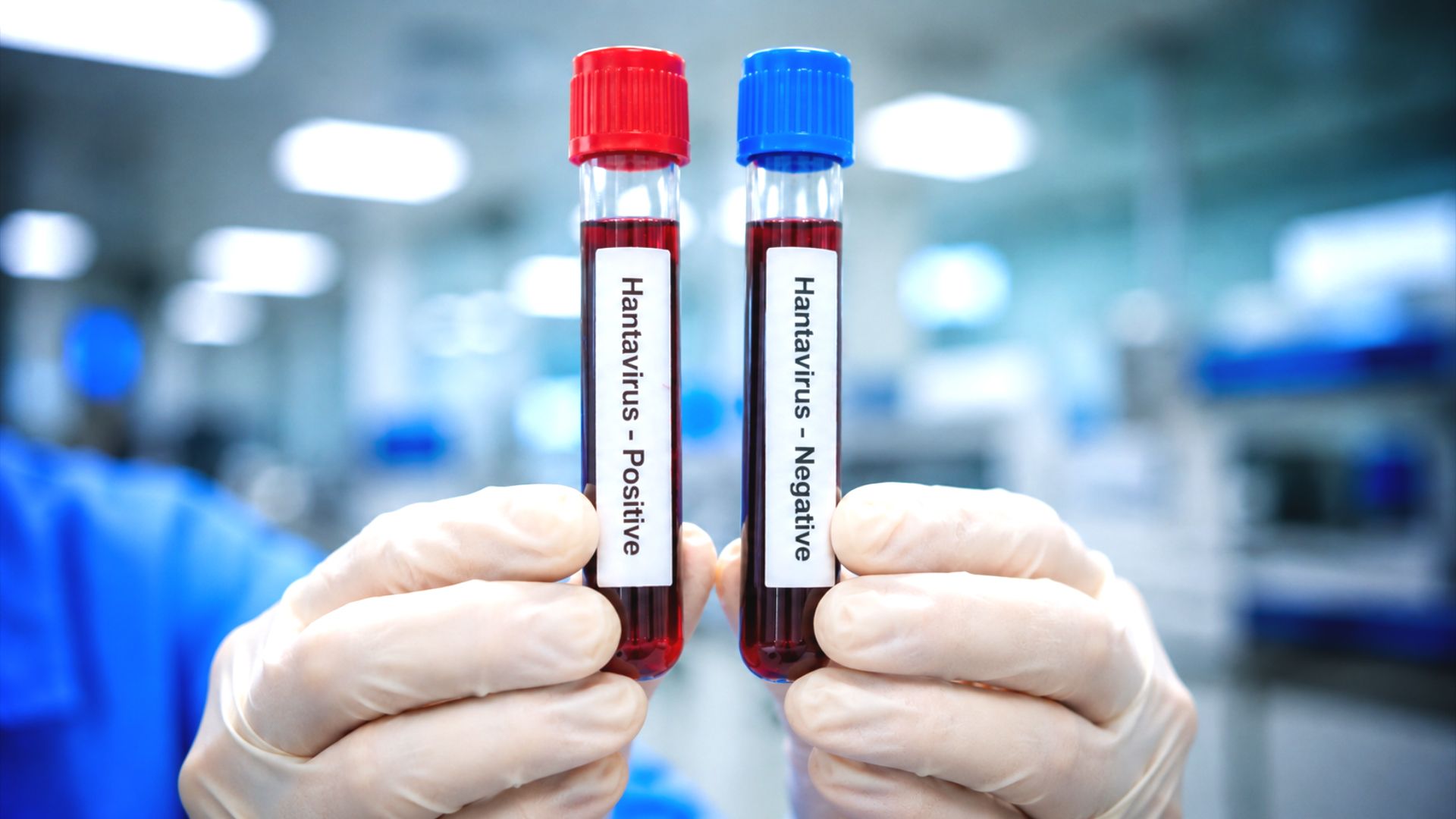

SINGAPORE: Two Singapore residents who travelled on the cruise ship MV Hondius are being isolated at the National Centre for Infectious Diseases (NCID) after possible exposure to the Andes hantavirus, according to the Communicable Diseases Agency (CDA).
The two men, aged 67 and 65, were also on the same April 25 flight from St Helena to Johannesburg as a confirmed hantavirus case of another passenger who later died in South Africa. The infected passenger, however, didn’t travel to Singapore.
CDA said one of the men has a runny nose but is otherwise well, while the second has no symptoms. Both are being tested. Authorities said the current risk to the Singapore public remains low.
The cases have drawn attention because the Andes strain is one of the few hantaviruses associated with possible human-to-human transmission. Health agencies are still investigating how the infections connected to the cruise ship happened.
Eight cases and three deaths have so far been linked to the cruise cluster aboard the Dutch-operated MV Hondius, which departed Ushuaia, Argentina, on April 1, Channel NewsAsia (CNA) reports.
Hantavirus infection symptoms and monitoring
Hantavirus infections are uncommon, and many Singaporeans may never have heard of the disease before this week, but the Andes strain has alarmed health authorities because symptoms can worsen very quickly.
Patients may first develop fever, body aches and fatigue before progressing to breathing difficulties and severe lung complications.
The World Health Organization (WHO) has said the overall public risk remains low. Still, the incident shows how rapidly rare diseases can travel across borders through tourism and international flights.
Cruise ships also remain sensitive environments for outbreaks because passengers spend long periods in shared spaces and often travel across multiple countries within days.
Singapore’s response has so far followed a cautious but measured approach. CDA said both men will be quarantined for 30 days if they test negative, followed by further monitoring until the 45-day incubation period ends.
No vaccine, no specific cure
Hantavirus cases receive serious attention due to the lack of a vaccine or targeted antiviral treatment. Doctors mainly provide supportive hospital care while monitoring breathing, heart function and fluid buildup in the lungs.
WHO estimates that tens of thousands of hantavirus infections occur globally each year, mainly in Asia and Europe. Some strains affecting the lungs can carry fatality rates between 20 and 40 per cent.
The disease is usually linked to rodents. People can become infected by inhaling particles contaminated with rodent urine, saliva, or droppings, especially in poorly cleaned or enclosed spaces.
CDA advised travellers heading to rural or outdoor areas in affected regions to avoid rodent-contaminated spaces, maintain hygiene and seek medical attention if symptoms appear after travel.
Rodents are not the main problem: Human hygiene habits and living conditions shape how outbreaks begin and spread
In many cases, public fear of outbreaks leads to harsh reactions toward animals linked to disease. Experts have long stressed that rodents themselves aren’t the root issue.
Poor waste handling, dirty storage areas, illegal dumping, and neglected buildings create conditions that allow infestations to grow, so simple daily hygiene habits matter more than frantic panic.
Keeping rubbish sealed, properly cleaning food areas, covering entry holes, and reducing clutter can all reduce rodent activity without resorting to cruel pest extermination methods.
A more humane approach to controlling rodent activity would include practising proper sanitation, sealing access points, and, where possible, safely relocating them, which are generally more effective in the long term than aggressive extermination campaigns.
Blaming animals alone, rodents in this case, misses the bigger picture, as human hygiene habits and living conditions frequently shape how these outbreaks begin and spread.
Singapore’s fast action to isolate and monitor this case shows how public health systems now respond after lessons learned from earlier global outbreaks. The case also reminds us again that international travel, crowded environments and poor hygiene conditions can still turn rare diseases into global concerns within days.
 Follow Google News
 Join us on WhatsApp
 Follow us on Telegram