

SINGAPORE: Starting Feb 14, the Civil Aviation Authority of Singapore (CAAS) will ease restrictions on unmanned aircraft, including removing the cap on the number of aircraft over 250g that an individual or company can register. Unmanned aircraft refer to radio-controlled planes, drones, and remote-controlled kites.
According to Channel News Asia (CNA), this change is expected to “further support the beneficial use of unmanned aircraft and unmanned aircraft industry development while ensuring public and aviation safety and security,” CAAS said in a media release on Jan 31. They also allowed commercial operations at higher altitudes in designated weekday areas, further easing operator policies.
The status quo
Unmanned aircraft over 250g must be registered before being used in Singapore. Specifically, Singaporeans and permanent residents can register up to five drones, while non-citizens and non-residents can register one.
“The limits are set to manage the risks associated with unmanned aircraft operations. Those who wish to register unmanned aircraft above these limits will have to seek special approval from CAAS,” the authority said.
CAAS said these limits will be removed from Feb 14, benefiting commercial operators and enthusiasts who often own more aircraft. Businesses that rely on drones for aerial photography, surveying, and deliveries will have greater flexibility in expanding their fleets. Similarly, hobbyists and professional drone pilots who use different models for racing, filming, or research will no longer need special approval to register more aircraft.
Last year, 2,305 users registered their aircraft with CAAS, and 61 registered more than five.
Expected changes
CAAS said the decision follows the introduction of the Centralised Flight Management System (CFMS) in 2022, enabling real-time unmanned aircraft monitoring. The CFMS has improved airspace management by tracking drone movements, preventing unauthorised flights, and mitigating potential safety risks. By providing live data on flight paths, altitudes, and locations, the system allows authorities to respond swiftly to incidents, ensuring the safe integration of unmanned aircraft into Singapore’s airspace.
Starting Dec 1, all unmanned aircraft over 250g must have Broadcast Remote Identification (B-RID), which acts as a digital licence plate. This system will require drones to broadcast identifying information such as their registration details, location, altitude, and flight status. B-RID will also help law enforcement and aviation authorities quickly identify unmanned aircraft in the airspace, making it easier to detect unauthorised operations and hold operators accountable. This measure aims to enhance safety by reducing the risk of accidents, airspace violations, and potential misuse of drones.
“The implementation of CFMS and B-RID will enhance the situational awareness of unmanned aircraft operations and strengthen public and aviation safety and security. It will allow CAAS to more effectively manage the risks associated with growing unmanned aircraft use,” the authority concluded in the CNA report.
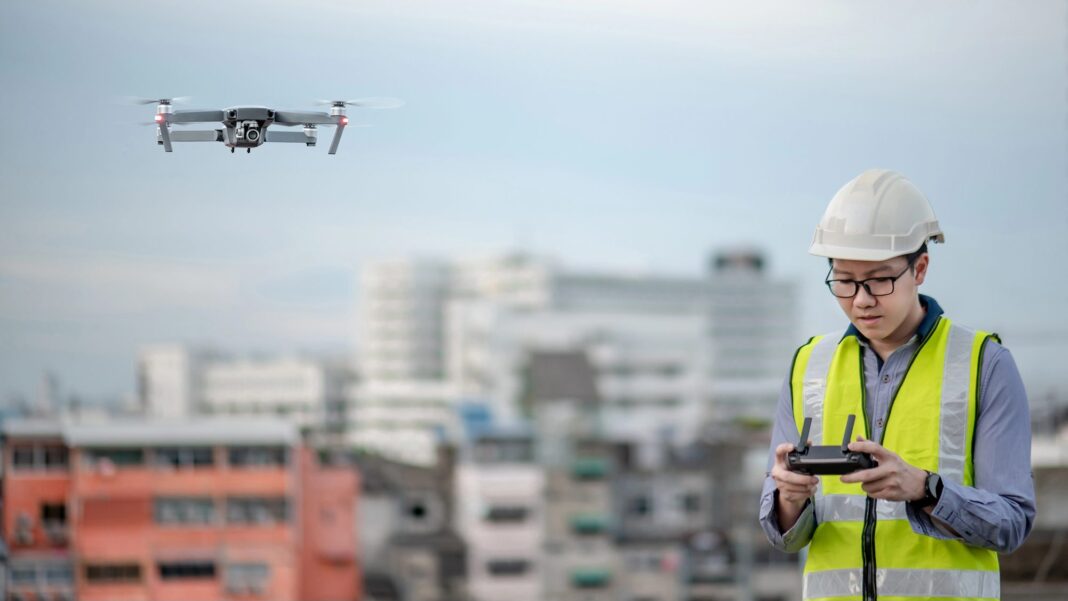
Featured image by Depositphotos (for illustration purposes only)
 Follow Google News
 Join us on WhatsApp
 Follow us on Telegram