
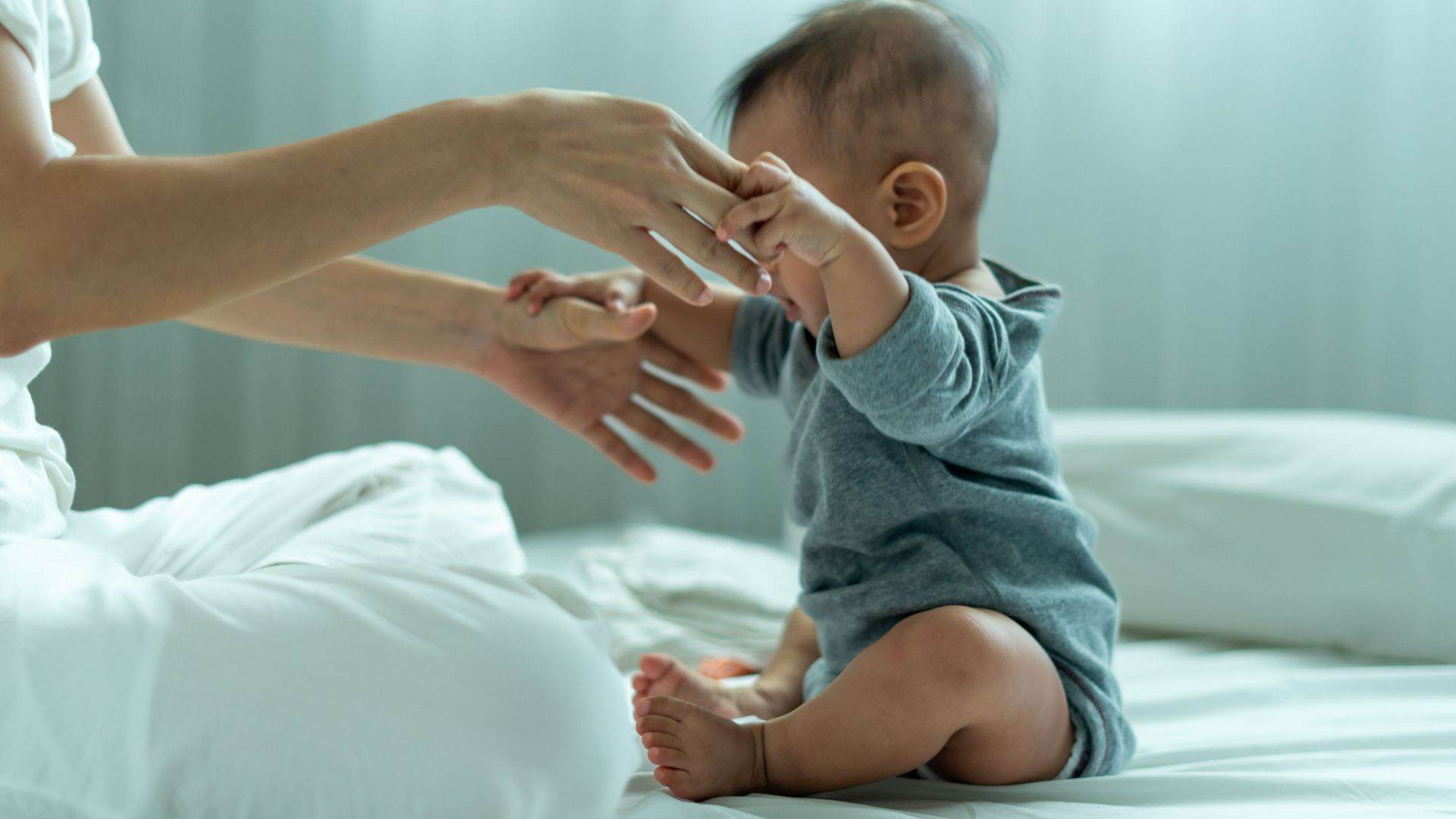

SINGAPORE: A Singapore-led study has found that babies who are cared for by someone other than their parents during the first 18 months of life tend to perform better academically by the time they reach preschool, although they may also be more likely to experience behavioural and emotional difficulties.
The research was conducted jointly by the Institute for Human Development and Potential (IDP) under the Agency for Science, Technology and Research (A*STAR) and the Yong Loo Lin School of Medicine at the National University of Singapore. Its findings were published in the international academic journal Child Development.
For the purposes of the study, non-parental care included care provided in childcare settings such as infant care centres and nurseries, as well as care provided at home by relatives or domestic helpers.
Researchers found that children who received non-parental care during their first 18 months generally achieved stronger reading and mathematics outcomes during their preschool years compared with children who were looked after exclusively by their parents.
At the same time, the study found that these children were more likely to display behavioural and emotional challenges. These included externalising behaviours, such as hyperactivity and inappropriate conduct, as well as internalising behaviours, including anxiety and social withdrawal.
The research also examined the experiences of parents whose children were cared for by others during infancy. It found that these parents generally reported higher levels of parenting stress during the preschool years. They were also more likely to rely on punitive forms of discipline, including scolding, corporal punishment and depriving children of privileges.
According to the researchers, the findings suggest that some parents may struggle to cope with caregiving demands, resulting in increased stress that influences how they respond to their children’s behaviour in everyday situations. The study also found that higher levels of parental stress and harsher disciplinary practices were associated with a greater likelihood of behavioural problems among children.
The researchers identified additional patterns linked to the timing and duration of non-parental care. Children who began receiving such care at a later stage during infancy were found to be more likely to develop internalising emotional problems. Meanwhile, those who spent longer periods in non-parental care were more likely to exhibit externalising behavioural problems.
The findings were based on an analysis of data from 2,580 children and their families. The information was gathered through two rounds of surveys conducted in 2018–2019 and again in 2021.
Overall, the researchers said the results highlight the importance of strengthening support for families and improving the wider caregiving environment, noting that doing so could help children achieve positive outcomes across multiple areas of development.
 Follow Google News
 Join us on WhatsApp
 Follow us on Telegram