
Singapore manufacturers brace for boom; transport engineering sector leads surge of optimism ahead of 2025

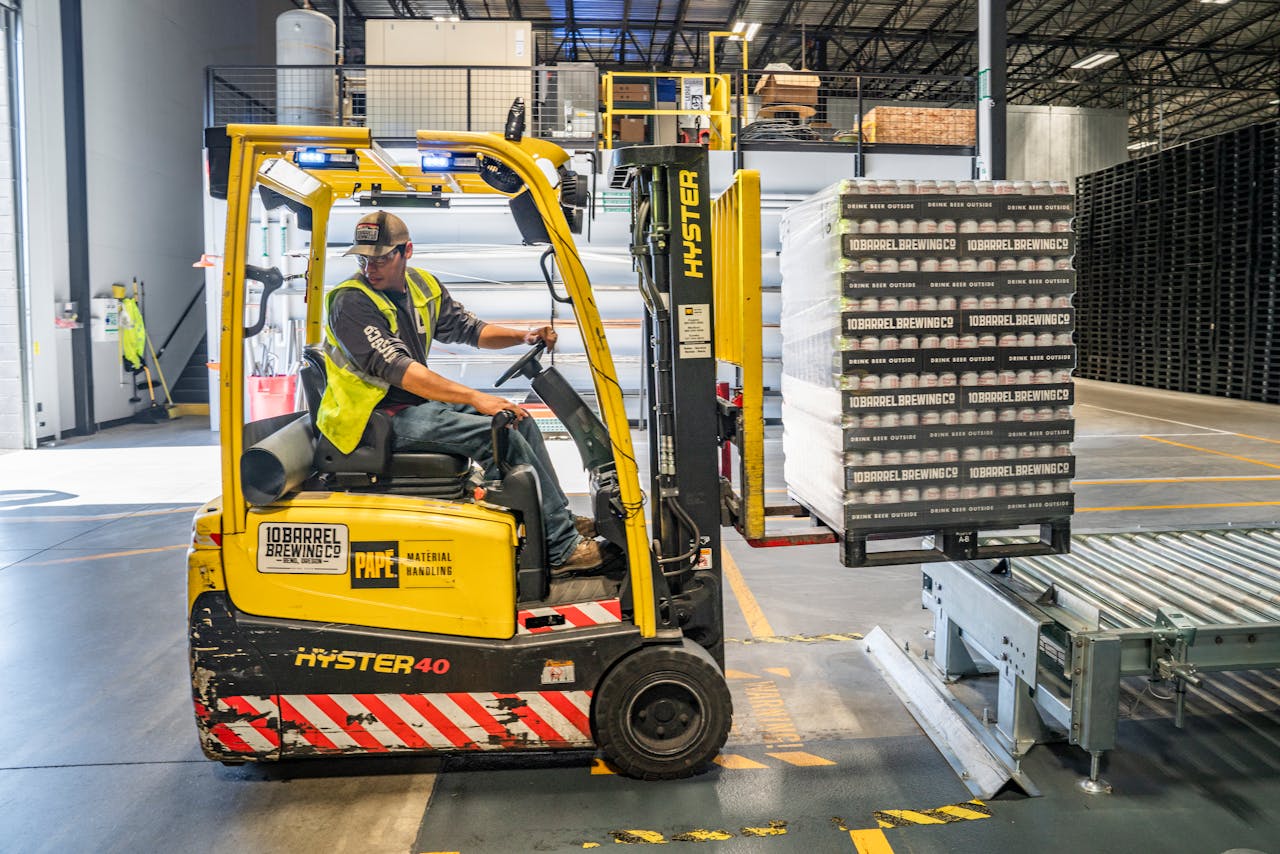
Screengrab from https://www.pexels.com/photo/person-using-forklift-1267338/
SINGAPORE: As reported by the Singapore Business Review, business sentiments in the manufacturing sector remained mostly positive despite ongoing geopolitical and economic challenges, according to EDB.
“A weighted 20% of manufacturers expect business conditions to improve whilst a weighted 10% foresee a weaker outlook,” the report stated.
Overall, a net weighted balance of 10% of manufacturing firms anticipate an improved business environment from October 2024 to March 2025.
Within the manufacturing industry, the transport engineering cluster stood out as the most optimistic, with a net 30% of firms expecting favorable conditions from October 2024 to March 2025. This was led by robust demand in aerospace and marine and offshore engineering.
This optimism is fuelled by strong global air travel and increased orders in the oil & gas and renewables sectors.
In the electronics cluster, a net weighted balance of 14% of firms foresee better business conditions in the coming months.
“This positive trend is driven primarily by the semiconductor segment, where growth in AI applications continues to boost demand for memory, storage, and networking chips,” the report noted.
Within the general manufacturing cluster, a net weighted balance of 16% of firms predicts a promising outlook, with the food, beverages & tobacco segment anticipating higher demand as the festive season approaches.
What will this mean to common Singaporeans?
The manufacturing sector is a key pillar of Singapore's economy, contributing more than 20% to its GDP. A surge in this sector would likely lead to an overall boost in economic growth. This growth could translate into higher GDP forecasts, which in turn could lead to increased national wealth and potentially higher wages for workers across various sectors.
Likewise, a surge in this sector could lead to the creation of new jobs, both directly within manufacturing and indirectly in related industries. This could help reduce unemployment rates and provide more job opportunities for Singaporeans.
As the manufacturing sector grows, it often leads to increased demand for skilled labor, which can drive up wages. Higher wages can improve the living standards of Singaporeans, allowing them to afford better housing, education, and healthcare.
Newsletter
Get updates straight to your inbox
It can also help stabilize inflation by increasing the supply of goods, which can help keep prices in check. This is particularly important for common Singaporeans who are sensitive to price changes in essential goods and services.
More importantly, a thriving manufacturing sector attracts more investment, both domestic and foreign. This can lead to increased innovation and technological advancements, that can benefit the broader economy and improve the quality of life for Singaporeans.