
Shocking inquiry uncovers British role in genocide of indigenous Australians

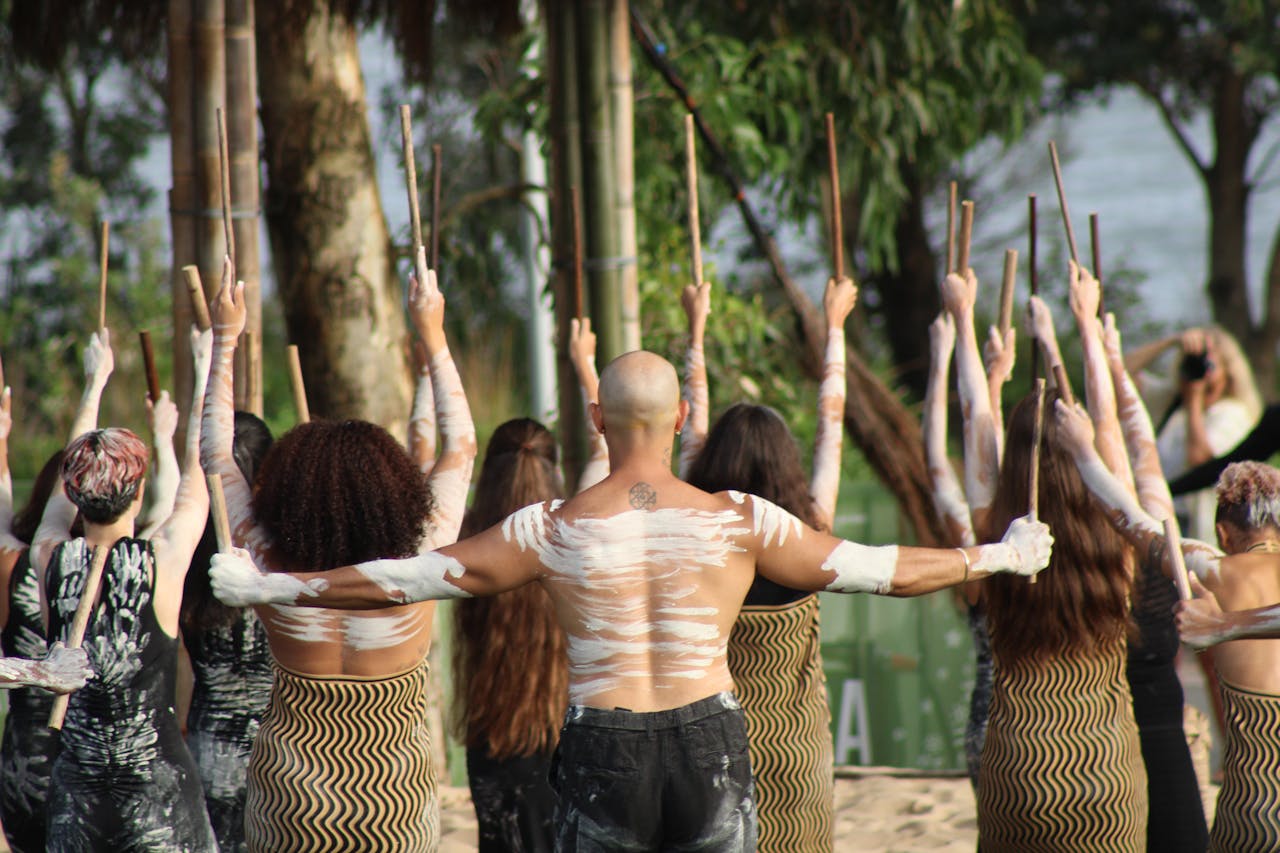
Photo: Pexels (for illustration purposes only)
A powerful "accountability" movement is in progress in Australia. The Yoorrook Justice Commission, the country’s first official “truth-telling” review, released a trailblazing report disclosing that British settlers committed carnage against Aboriginal peoples in the state of Victoria.
According to the latest BBC report, the final verdict was drawn from more than 1,300 submissions and two months of public hearings. The report touches on the distressing effects of colonisation, from mass assassinations and cultural obliteration to systemic xenophobia that continues today. With 100 endorsements for reparation, the report signifies a pivotal moment in Australia’s journey towards fairness, truth, and resolution.
A dark chapter revealed
The Yoorrook Justice Commission’s report leaves no uncertainty about what took place in Victoria after colonisation commenced in the 1830s. In just about twenty years, the Indigenous inhabitants decreased from approximately 60,000 to 15,000, a 75% reduction caused by what the commission directly labelled as genocide.
Contributing factors included aggression, sickness, child eliminations, environmental squalor, and cultural expurgation.
“These were not isolated incidents or accidents of history,” the report stated. “This was genocide.” The conclusions draw an unswerving connection between British colonist practices and the "near-complete physical destruction" of the state's Aboriginal population. Narratives collected during the investigation talked of ordeal and suffering in different generations, from sexual aggression and forced land acquisitions to compulsory integration and the loss of language and cultural individuality.
A call for redress: Education, health, and recognition
The commission dispensed 100 endorsements intended to repair the unfathomable wounds left by colonial violence. Among the most noteworthy suggestions are a total overhaul of the educational structure to reflect more Indigenous viewpoints and history, augmented investment in Aboriginal health amenities, and formal admissions of guilt for historical wrongs, including the barring of Aboriginal armed forces from post-war land endowments.
The report also concluded that systemic bigotry remains widespread in Victoria’s health structure, calling for additional Indigenous representation in the labour force and steadfast guidelines to expand healthcare. It also recommended that amends could be in the form of compensation, a theme that has been politically controversial but is now gaining traction.
Jill Gallagher, head of Victoria’s Aboriginal health peak body, said the genocide outcome is “indisputable,” adding: “We don’t blame anyone alive today for these atrocities, but it is the responsibility of those of us alive today to accept that truth.”
Australia at a crossroads: Truth-telling or turning away?
The Yoorrook Commission’s verdicts came at a decisive moment in Australia’s broader national discourse about justice for First Nations individuals. Whereas some states, like Victoria, are proceeding with truth-telling initiatives, others have stopped advancements. For example, in Queensland, a truth review was negated following a change in political administration. Nationwide, work towards resolution underwent a major impediment when Australians voted against a 2023 plebiscite to create an Indigenous Voice to Parliament.
Newsletter
Get updates straight to your inbox
Notwithstanding political struggle, the Yoorrook report stands as a substantial, yet painful, breakthrough. It challenges Australians to meet painful realities and to admit that resolution and compromise demand more than emblematic gesticulations. It calls for structural modification, acknowledgement, and the daring to face the country’s history.
As Premier Jacinta Allan said, the report “shines a light on hard truths.” Whether those realities will lead to meaningful action remains the question confronting Australia today.