
Relief for the Philippines, Vietnam as China sends fuel tankers
MANILA: Amid the energy crisis brought about by the war in the Middle East, China has come to the rescue of some countries in Southeast Asia. The region has been disproportionately affected by the effective closure of the Strait of Hormuz, a chokepoint for 20% of the world’s fuel needs. Analysts have expressed concerns that the shortage of oil and natural gas may lead to more severe crises of food and social stability.
Last weekend, in spite of having imposed a ban on fuel imports earlier in March, China sent diesel and other fuels to the Philippines and Vietnam.
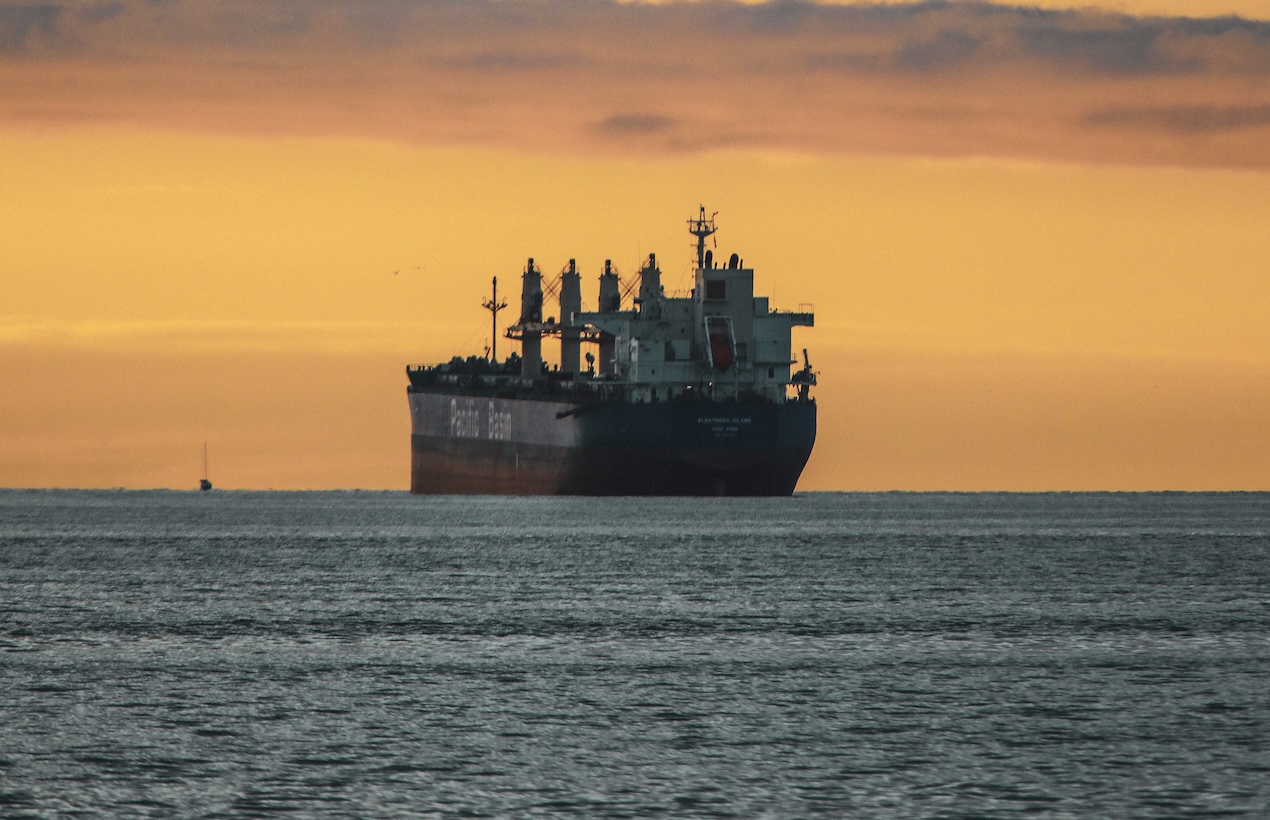
Two tankers from China brought over 260,000 barrels of diesel to the Philippines, while another brought 100,000 barrels of distillate fuels to Vietnam, according to a Bloomberg report on March 30.
Countries in Southeast Asia have not been affected equally. Singapore has the advantage of deep reserves, and Malaysia is a net energy exporter, but countries such as the Philippines, which gets 90% of its fuel needs from the Gulf, as well as Vietnam, have grown particularly vulnerable as pump prices have gone up and inflation has begun.
The report added, however, that it is uncertain whether the cargoes from China have been discharged, adding the possibility that the tankers were cleared before China’s ban had taken effect on March 12, even though the tankers received their cargoes later than that date.
China, along with South Korea and Singapore, is one of the top fuel exporters in Asia. To protect domestic consumers, it banned overseas oil exports earlier this month. However, China has been stockpiling crude oil for more than a year and is planning on expanding its storage capacity. Additionally, off the Chinese coast, there are around 40 million barrels of crude from Venezuela, Russia, and Iran in tankers, according to a report from Kpler, a data intelligence firm.
Notably, in response to questions about the cargoes to Vietnam and the Philippines, Mao Ning, a spokeswoman from the Chinese Foreign Ministry, was quoted as saying that the country is ready to help amid energy supply shortages.
The Philippines’ Department of Foreign Affairs said that bilateral talks with China had been reset last weekend, including oil and gas exploration deals as well as maritime tensions.
The country, which declared a state of emergency in the wake of the Middle East war, said that the diesel cargo had come about due to diplomatic efforts, and Bloomberg added that China has been one of the top suppliers to the Philippines of gasoil this month, supplying more than half of the 158,000 barrels a day of imports it needs.
Newsletter
Get updates straight to your inbox
“The precise mechanics of these deals tend to be opaque, given the nature of state-to-state negotiations, but the direction of flow is telling. Even with the clean petroleum product export curbs in place, China clearly retains leverage to direct barrels where it sees diplomatic value,” the report quoted Kpler senior analyst Zameer Yusof as saying. /TISG