
Pachinko: A source of joy and cognitive health for Japan's elderly

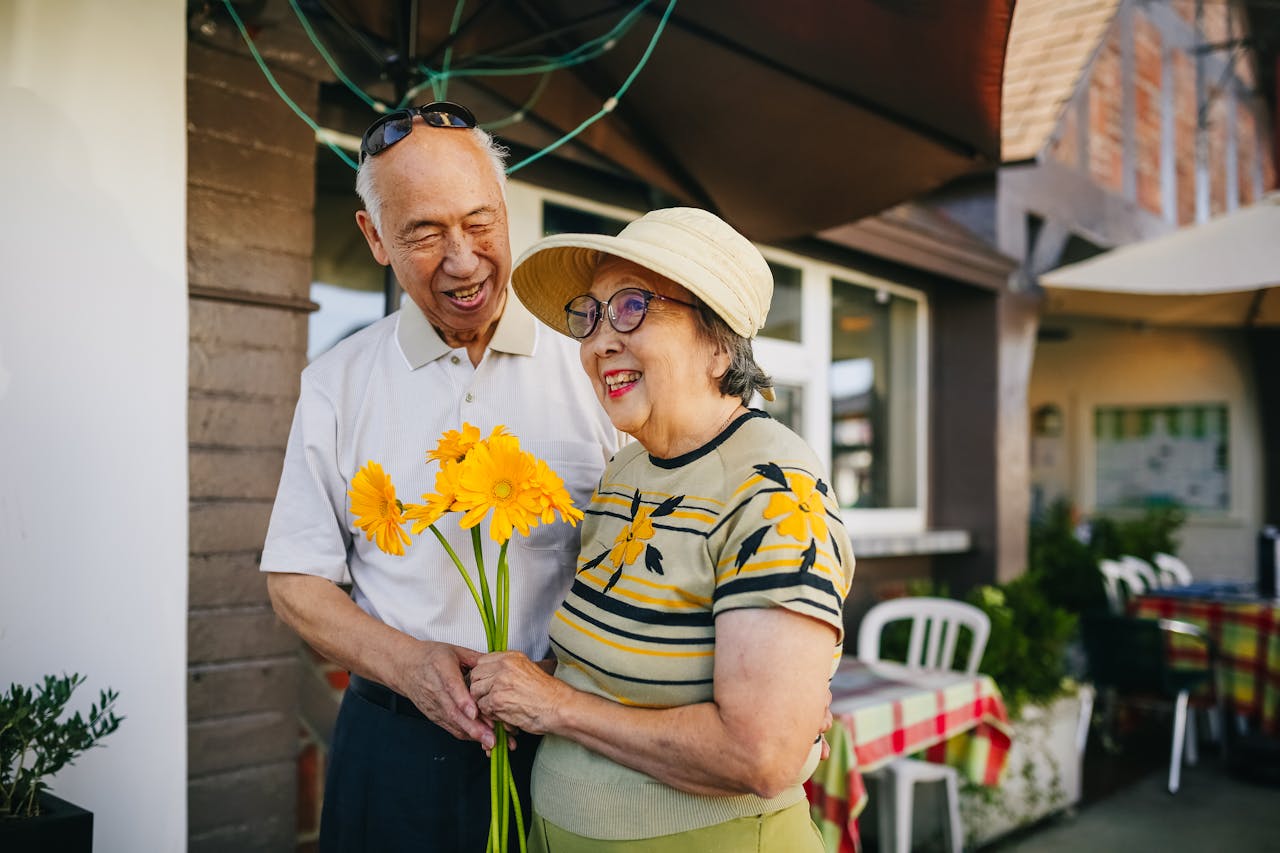
Screengrab from https://www.pexels.com/photo/elderly-couple-holding-bouquet-of-flowers-while-holding-hands-5637572/
JAPAN: In the Island Kingdom, an iconic pastime is undergoing a transformation that could redefine its role in society. Long synonymous with semi-legal gambling, the pachinko industry is now finding new life thanks to an unlikely demographic -- the elderly.
This shift is not just about entertainment; it's about leveraging the cognitive benefits of playing vertical pinball machines to help prevent dementia.
Pachinko industry
The industry, once a titan with total spending reaching astronomical figures, has declined in recent years. As Japan's population shrinks and the government focuses on curbing gambling addiction, the industry has had to adapt.
In a statement to The Straits Times, sales director Hiroto Kamei of Toyomaru Sangyo, a pachinko-machine maker, acknowledges the challenge: "The industry is in decline, and we are trying to think of ways to revive the business." The solution? Tailoring products and services for seniors.
Kikunori Shinohara, a professor at the Suwa Tokyo University of Science, has been a vocal advocate for the cognitive benefits of pachinko. "I'm getting old myself, but doing activities I like that have benefits are much better than doing tedious therapy," he says.
The simple mechanism of shooting steel balls into an array of pins, aiming for specific pockets to trigger jackpots, has positively affected mental acuity.
Pachinko innovations for the elderly
Toyomaru Sangyo has taken this to heart, consulting scientists to design pachinko machines tailored for seniors. From big screens to integrated bike pedals, these innovations aim to make the experience more engaging and beneficial for older players.
The benefits extend beyond cognitive health; seniors have reported improved sleep and increased sociability.
One pioneering service provider, Day Service Las Vegas, has embraced pachinko as part of its casino-themed daycare for the elderly.
Founder Kaoru Mori sought to inject excitement into the care centre experience, dispelling the notion that it would lead to gambling addiction. "After all, we don't use real money," he emphasizes.
The facility, which offers a variety of games, including mahjong and poker, has seen about 20% of its guests engage with pachinko, using fake money to buy tokens and enjoying hourly exercise breaks.
More than just entertainment
The cognitive advantages of pachinko are clear. Professor Shinohara's research indicates that players in their 70s exhibit higher cognitive abilities than their non-playing peers.
Newsletter
Get updates straight to your inbox
This suggests that the machines offer more than just entertainment; they provide a form of cognitive leisure that could be crucial for a rapidly ageing nation.
As the government continues to monitor gambling activities, pachinko's potential as a tool for cognitive health and joy among the elderly is undeniable. Mr Mori sums it up perfectly: "I think what matters the most is that the pachinko brings them joy."
In a world where the pursuit of happiness and health intersect, pachinko may just be the perfect pastime for Japan's seniors.