
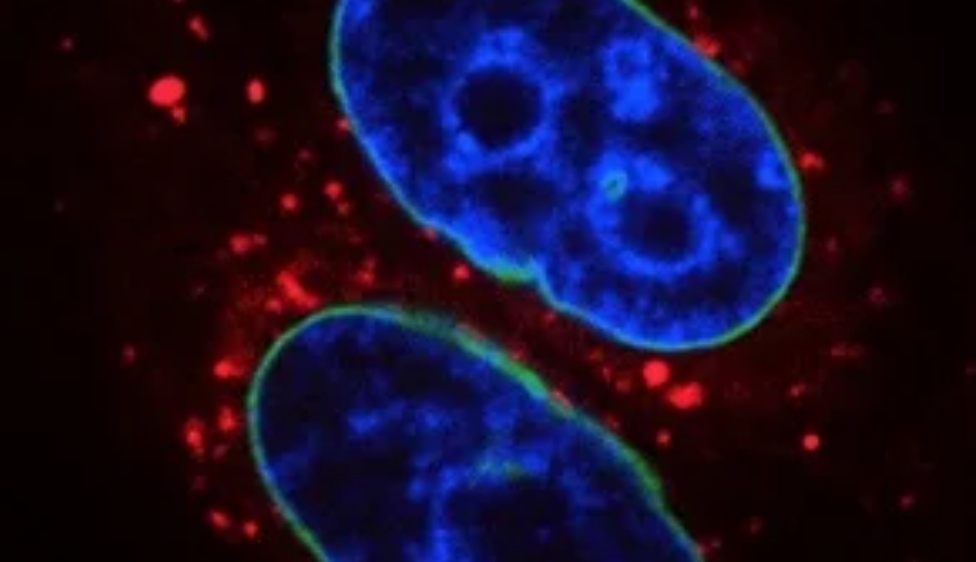

SINGAPORE: A team of researchers from the University of Oxford and NTU Singapore has uncovered a new cellular process that could significantly impact how patients undergoing colorectal cancer treatments recover from DNA damage.
Published in Cell, their findings reveal a previously unknown mechanism that repairs DNA damage caused by chemotherapy, improving the chances of cell survival and treatment effectiveness.
The researchers identified a process they named nucleophagy, which is a type of autophagy—a cellular self-cleaning mechanism that helps protect genetic material from harm.
This discovery is crucial for patients receiving chemotherapy, as the drugs used in these treatments often lead to DNA-protein lesions in cells. If left untreated, these lesions can destabilize the genetic material and negatively impact cell survival.
Key to this new DNA repair pathway is a protein called TEX264, which is commonly found in human cells.
Upon chemotherapy-induced DNA damage, TEX264 initiates the nucleophagy process, directing harmful DNA lesions to the cell’s disposal system, where they are broken down and eliminated.
The research team employed various advanced techniques to confirm the importance of nucleophagy in DNA repair, including biochemical methods, cell biology, and bioinformatics tools.
They also used zebrafish models and samples from colorectal cancer patients to validate their findings. According to the researchers, understanding nucleophagy opens the door to potential new cancer therapies.
By enhancing this natural DNA repair pathway, future treatments could be tailored to improve patient outcomes, particularly in colorectal cancer, where chemotherapy remains a common course of action.
This discovery represents a major advancement in cancer research, offering new hope for more effective treatments that reduce DNA damage and enhance cell survival during and after therapy.
 Follow Google News
 Join us on WhatsApp
 Follow us on Telegram