
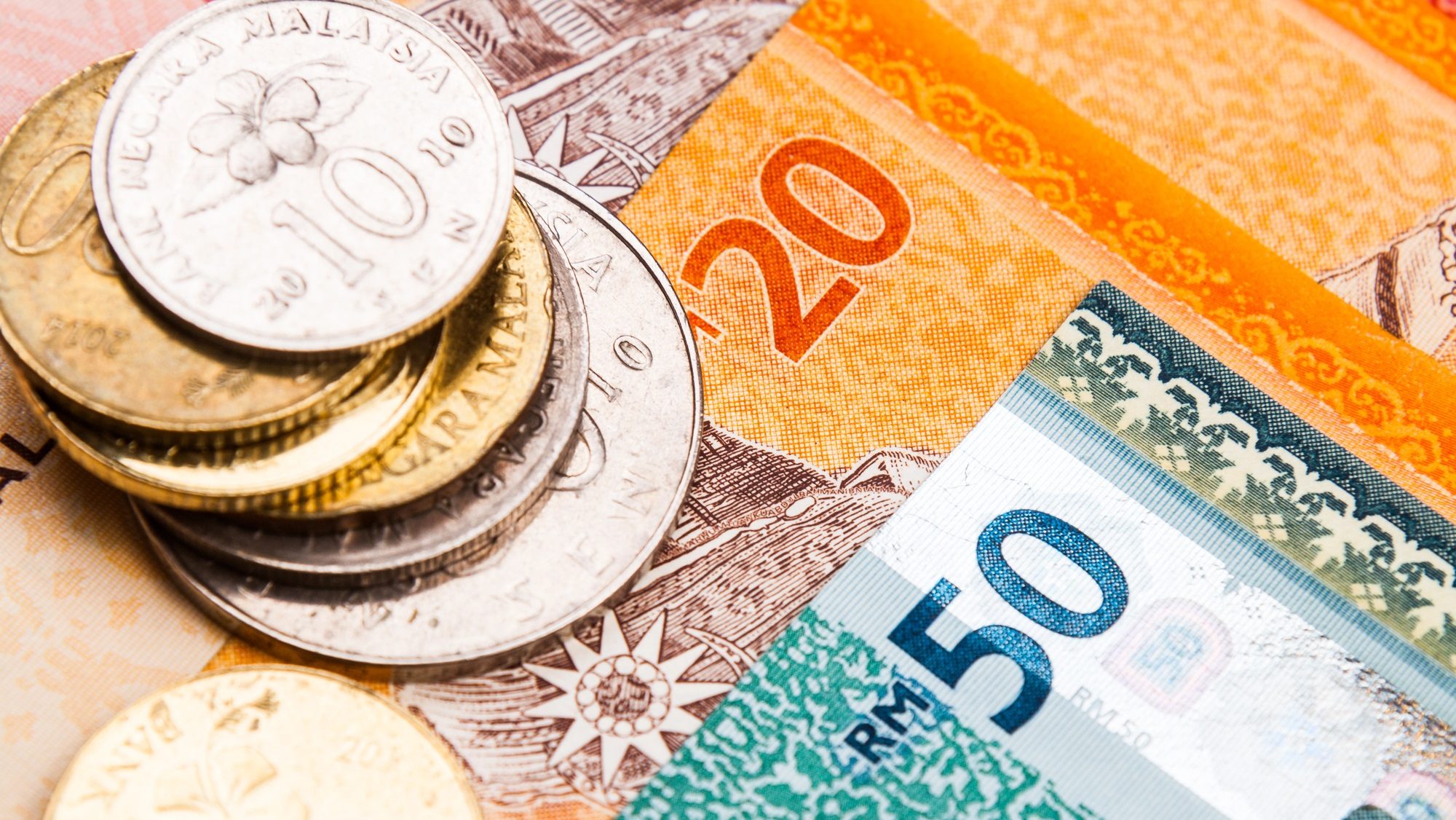

SINGAPORE: With the Malaysian ringgit going strong, the Singapore dollar, which had much more purchasing power earlier this year, will not stretch as much when Singaporeans go shopping, dining, or vacationing in Johor Bahru.
In February, the exchange rate was at S$1 = MYR3.5725. Today, it’s at S$1 = MYR3.28.
Part of the reason why the ringgit is doing so well is the amount of foreign direct investment (FDI). Malaysia’s FDI has been on the increase this year, sparking a reversal of the currency’s trajectory.
For example, large multinational companies like Microsoft, Google, ByteDance, Intel, and Amazon Web Services have made substantial financial commitments to the country.
The Milken Institute’s Global Opportunity Index 2024 is now considering Malaysia to be one of the leading nations in Asia’s emerging and developing countries when it comes to overall investment conditions.
The international law firm Trowers has called Malaysia “your next FDI destination,” noting that much of the investments have come from Singapore, the USA, China, Japan, and the Netherlands.
This is quite a turnaround.
As recently as April of this year, the ringgit still looked like it was on a downward spiral. The currency had hit a 26-year low point against the US dollar at US$1 to RM 4.8, and Malaysians were reeling from high inflation.
By early August, however, the story had changed, hitting an 18-month high on Aug 7 and climbing back to US$1 to RM4.42 as Malaysia’s economic performance saw an improvement.
It was at this time that the ringgit began to be considered the best-performing currency in Asia.
Last month, UOB’s Global Economics and Market Research report said that the country’s investment landscape is expected to stay healthy, with a positive foreign direct investment (FDI) outlook in the short to medium term.
A 15-year growth trend of 3.6 per cent yearly should mean that by 2030, an annual FDI of RM51.6 billion (S$15.7 billion) should there be no unexpected economic shocks.
In comparison, Malaysia’s FDI decreased significantly last year, when it only reached S$11.34 billion.
However, things have been looking up.
“Our projection is supported by the 2024 year-to-date performance of FDIs, whereby Malaysia has attracted a total of US$3.1 billion (S$4.04 billion) FDI inflows in the first half of 2024, which was 17.9 per cent higher than US$2.6 billion (S$3.39 billion) recorded in the first half of 2023,” UOB’s report says. /TISG
Featured image by Depositphotos (for illustration purposes only)
 Follow Google News
 Join us on WhatsApp
 Follow us on Telegram