
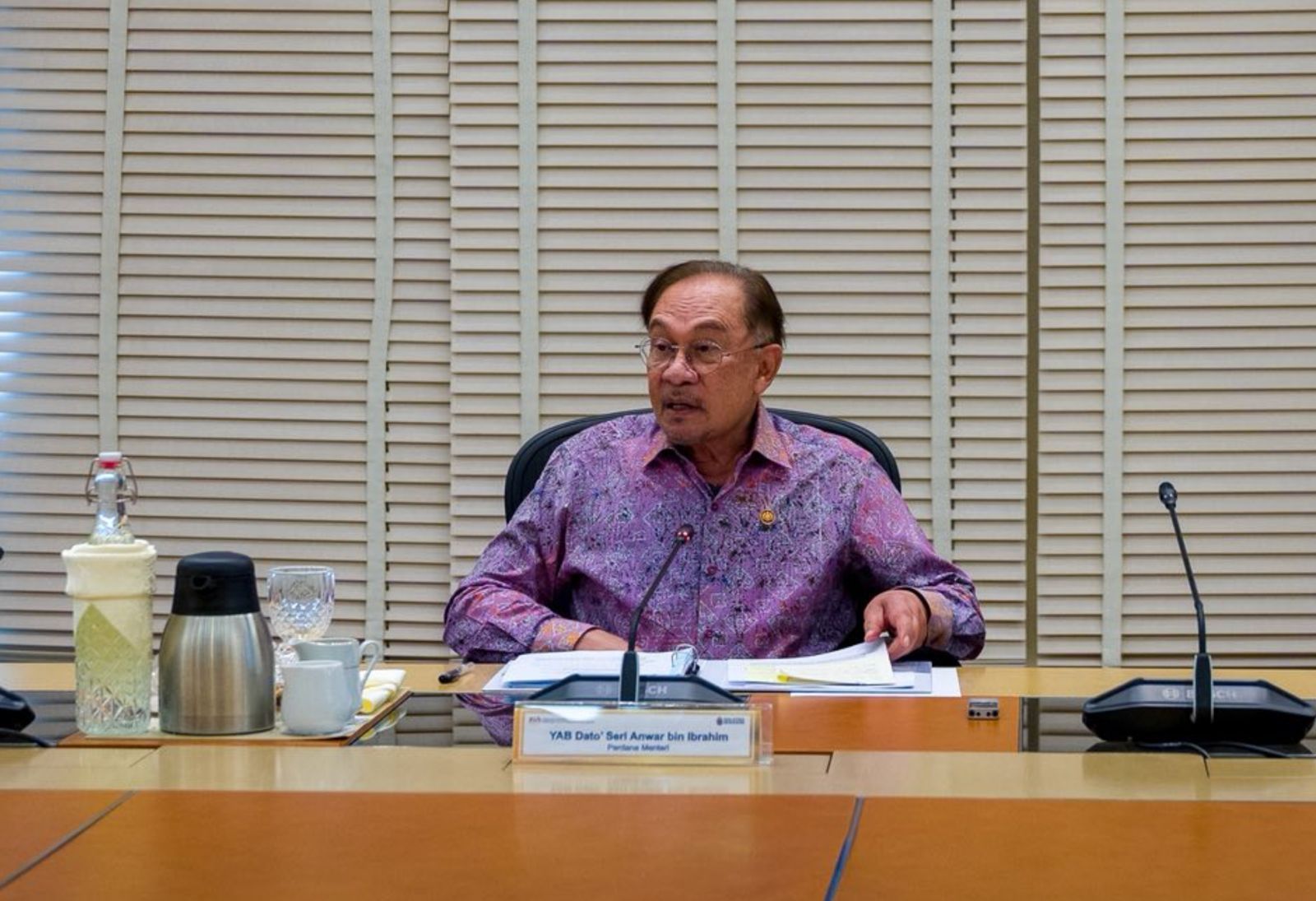

MALAYSIA: Prime Minister Anwar Ibrahim defended the RM20 billion (S$6.4 billion) education budget cut, saying savings must be made despite criticism. He insisted quality and access to schools and universities would not be disrupted, urging ministry officials to avoid a “silo mentality” and grasp the scale of Malaysia’s economic crisis.
Rising global oil prices and Putrajaya’s RM7 billion (S$2.25 billion) petrol subsidy bill in April forced spending cuts, with Anwar stressing only “non‑critical” allocations will be reduced.
On X, one user stressed that education is vital, warning that slashing its budget will have serious long‑term consequences for Malaysians. He argued that with additional cuts to healthcare, the government risks making citizens “sicker” and “less educated” in the future.
Many share this concern, noting both sectors are already underfunded and struggling to meet public needs.
The government’s announcement of a RM100 book voucher allocation for students was presented as a priority despite looming budget cuts. However, another responded sarcastically, questioning whether Malaysians should feel grateful for book vouchers while the education ministry is facing severe reductions.
Despite widespread criticism of budget cuts, some voices defend the Prime Minister’s stance. One citizen argued that the education ministry already receives sufficient funding and that the government has the right to reduce subsidies across all sectors, whether in education or fuel.
Following that, another mentioned that the government initially claimed that the Hormuz Strait crisis would not affect Malaysia. However, there are now talks that the education ministry may receive a hefty cut.
International crises remain beyond Malaysia’s control, leaving the government to manage their domestic fallout. While some agree that budget cuts are unavoidable, many argue that essential sectors like education and healthcare should be spared.
Malaysians are bracing for tough times ahead, with global crises leaving the government little room to manoeuvre. While some argue budget cuts are necessary, debates rage over which subsidies or ministries should bear the brunt.
Netizens insist that essential sectors like education and healthcare must be protected, while others point to fuel subsidies as unsustainable. The differences in opinions show the divide between netizens regarding the matter, but budget cuts are imminent.
 Follow Google News
 Join us on WhatsApp
 Follow us on Telegram