
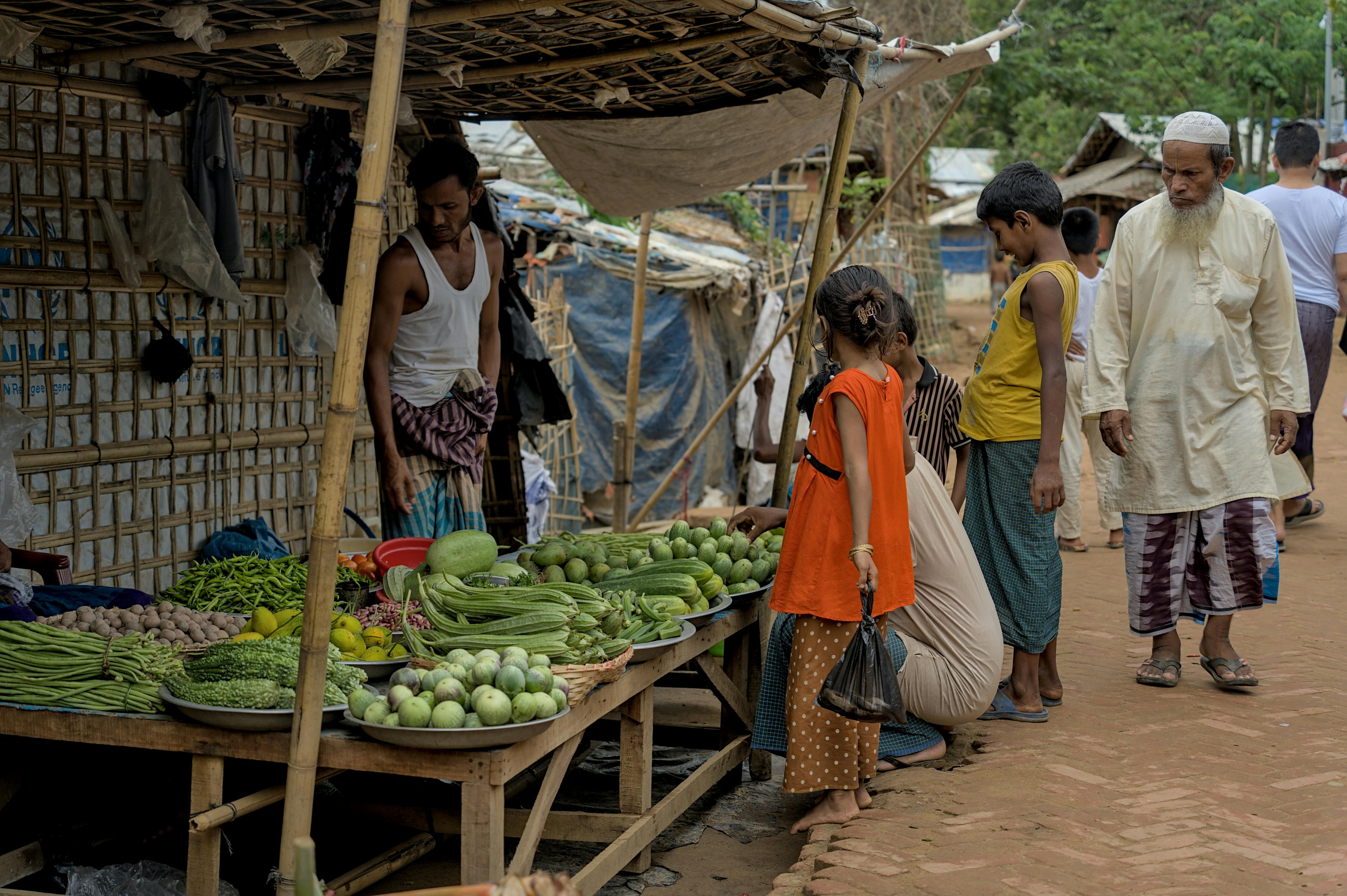

MALAYSIA: A viral petition urging Malaysia to expel Rohingya refugees has drawn nearly half a million signatures, prompting warnings from rights groups about rising hate speech. The petition claims refugees strain resources and threaten security, while banners and online posts echo anti‑Rohingya sentiment.
Malaysia’s Human Rights Commission cautioned that such hostility erodes compassion and urged citizens to distinguish refugees from migrants fleeing persecution and violence in Myanmar.
In response to the growing backlash, Rohingya groups have voiced their stance on social media. On X, one stated that the community does not wish to remain in ASEAN countries any longer. Instead, they hope to return peacefully to their homeland in Myanmar and are urging ASEAN governments to facilitate their safe repatriation.
However, other Malaysians argued that the petition to remove Rohingya refugees from Malaysia needs far more support, claiming that the current 360,000 signatures fail to reflect the depth of public frustration, insisting that Malaysians are “tired of them,” and urging that the petition be spread more widely to gain additional reach and signatures.
Some remain neutral in the debate. Also on X, one suggested that a proper system should be established to accommodate refugees more effectively. They pointed to viral stories of Rohingya patients allegedly failing to pay medical bills, which they argued has strained Malaysia’s healthcare sector.
The user added that the government must take a more proactive role in managing refugee intake, ensuring accountability while balancing humanitarian obligations.
Following that, another sparked outrage by suggesting the Malaysian government should “throw” Rohingya refugees overboard at sea. He questioned whether the government’s priorities lie with its citizens or with refugees, framing the issue as a choice between national welfare and humanitarian obligations.
Sadly, such remarks reflect sentiments shared by many Malaysians online, where frustration over resources and pressures often translates into hostility toward the Rohingya refugees in the country.
At the end of the day, Malaysia should have had a clear plan to facilitate the integration of Rohingya refugees. While accepting them may generate temporary goodwill and humanitarian sentiment, leaving refugees without access to income, education, or structured support risks creating new social problems that did not previously exist.
 Follow Google News
 Join us on WhatsApp
 Follow us on Telegram