

JAKARTA: In a bold effort to strengthen its economy and provide support to millions of everyday Indonesians, the government unveils a wide-ranging economic stimulus bundle worth 16.23 trillion rupiah (approximately S$1.27 billion). Set to kick off in the last quarter of 2025, the package is designed to spark household spending, create jobs, and support struggling sectors as signs of an economic slowdown begin to surface.
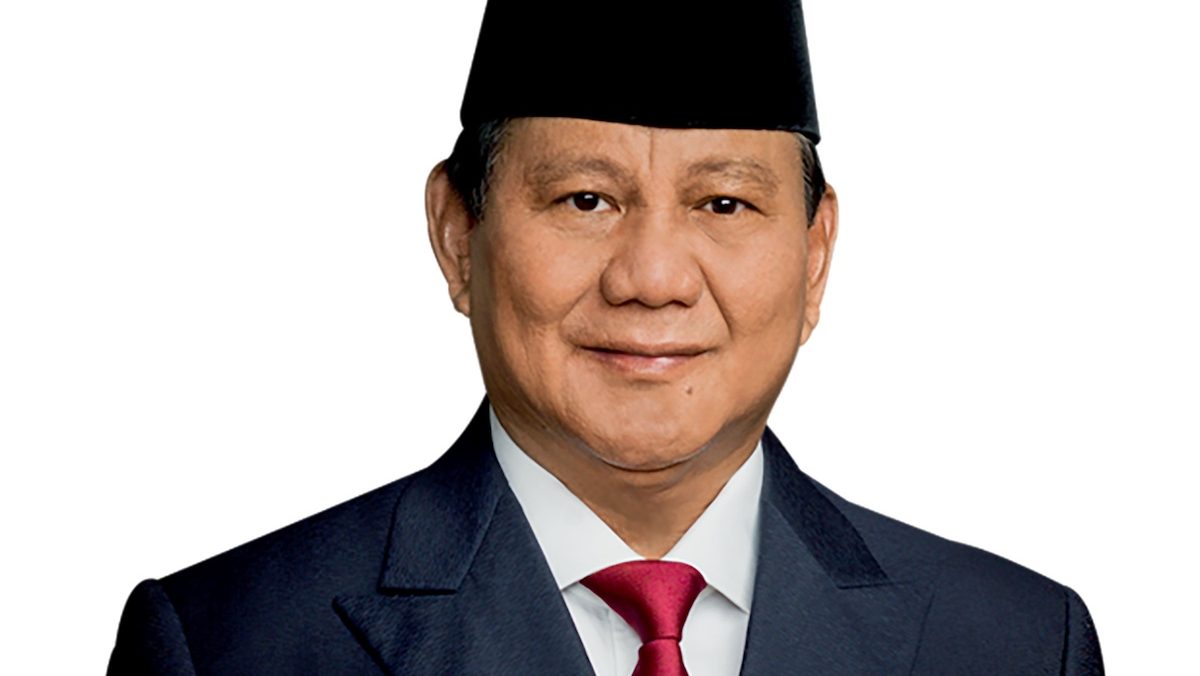
Chief Economic Minister Airlangga Hartarto announced the plan after a meeting with President Prabowo Subianto, expressing optimism: “With this stimulus package, we hope we can still reach our 5.2% economic growth target this year.”
Indonesia posted strong growth of 5.12% in the second quarter — the highest in two years — but officials are bracing for a possible dip in the months ahead.
Food and jobs at the heart of the plan
At the core of the stimulus are two key goals: keeping food on tables and getting people to work.
Low-income households, 18.3 million of them, will receive 10 kilograms of rice every month from October through December.
A “cash for work” programme, worth 5.3 trillion rupiah, will create temporary jobs for over 600,000 people — particularly in rural areas. These occupations will focus on rudimentary infrastructure programs such as roads and bridges.
Helping youth and everyday workers
Several measures are tailored to help both young professionals and gig workers:
- 20,000 university graduates will join a new paid internship programme to gain real-world experience.
- Motorcycle drivers and truck operators — many of them working in ride-hailing or delivery — will get a 50% discount on work injury insurance premiums.
- Tourism workers will be exempt from paying personal income tax, helping revive a sector still recovering from recent shocks.
Business relief and long-term growth
Small enterprises, usually the keystone of the economy, are likewise getting a break.
In 2026, the government will eliminate the plans to double income tax for micro businesses and the current 0.5% turnover tax will remain frozen until 2029.
In agriculture, a massive 870,000-hectare replanting programme will begin in 2026. It will focus on crops like sugarcane, cocoa, coffee, cashew, nutmeg, and coconut, and is expected to create 1.6 million new jobs over time.
Affordable housing and holiday travel
To support President Prabowo’s ambitious plan to build three million affordable homes each year:
- State banks will offer 130 trillion rupiah in construction loans, mainly to small developers.
- The government will cover 5% of the annual interest, making it easier for builders and small businesses to expand.
Meanwhile, for the upcoming holiday season, the government will roll out domestic airfare discounts to encourage Indonesians to travel, although full details are still on the way.
Staying responsible with the budget
Despite the size of the package, Finance Minister Purbaya Yudhi Sadewa assured the public that the stimulus won’t increase the budget deficit, which remains forecast at 2.78% of GDP for 2025.
This stimulus bundle demonstrates that the Prabowo governing body is walking a fine line — alleviating pressure on troubled households now, while gathering and setting up a foundation for a stronger tomorrow.
 Follow Google News
 Join us on WhatsApp
 Follow us on Telegram