
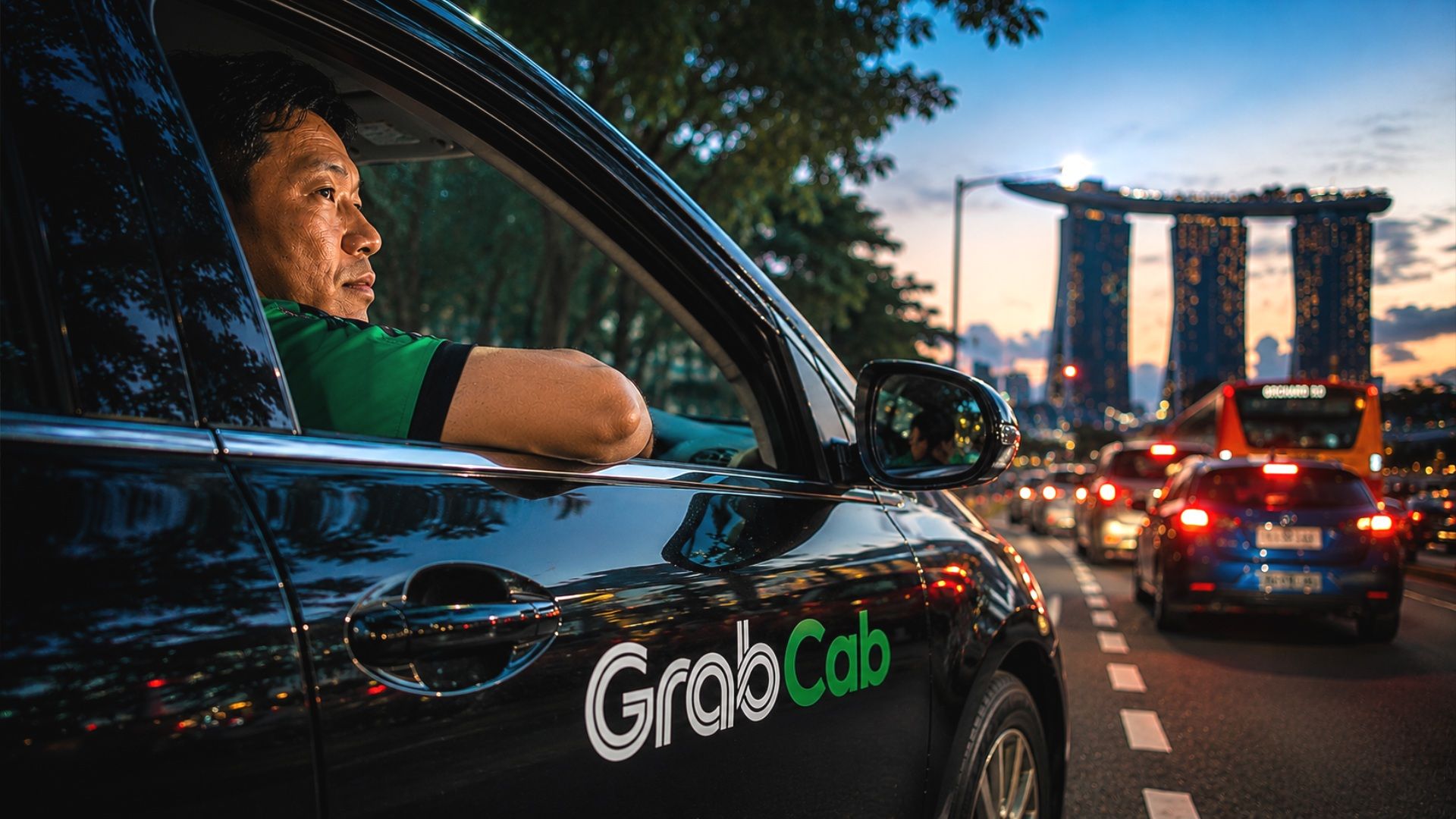

SINGAPORE: Grab passengers in Singapore will continue to pay a S$0.90 fuel surcharge for most rides until July 31, after the company extended temporary measures first rolled out in April to help drivers cope with higher fuel costs.
The extension also keeps GrabCab’s revised metered fare rate in place for another two months. Grab said every dollar collected from the surcharge and fare adjustment goes directly to driver-partners, with no commission taken by the platform, according to a Channel NewsAsia (CNA) report (May 23).
For commuters, ride receipts will continue showing a separate fuel surcharge line. For drivers, it is another short-term buffer while fuel prices remain unpredictable.
The surcharge is staying due to the ongoing pressure from fuel costs
Grab introduced the S$0.90 fuel surcharge on April 7 and had originally planned to end it on May 31. The charge applies across Grab’s transport services except standard and metered taxi rides.
The current amount resulted from Grab combining its earlier S$0.50 driver fee with an S$0.40 charge into a single fuel surcharge item.
GrabCab’s adjusted metered fare also stays in place. The rate remains at S$0.27 per unit, up from S$0.26 previously, with distance and waiting charges continuing under the revised structure.
Alvin Wee, Senior Director of Transport and Country Operations at Grab Singapore, said the extension is due to the ongoing pressure from fuel costs and aims to keep driving work as a source of income while keeping the platform operating sustainably.
Grabcab drivers say costs are still biting
Grab’s decision has received support from groups representing drivers. Raven Lee, Executive Secretary of the National Private Hire Vehicles Association (NPHVA), said the extension gives drivers breathing room at a time when operating costs remain elevated.
Teo Siew Pan, Executive Secretary of the National Taxi Association (NTA), also backed the decision, saying fuel price swings still create uncertainty for drivers.
Grab said it has been consulting with both associations as it decides how to respond to current operating conditions.
Grab is working on longer-term support tied to hybrid and electric vehicle adoption
Fuel support is becoming more than a short-term issue. Earlier this year, Grab introduced a S$1.4 million support package that included fuel vouchers, cashback rebates and cash incentives.
The company also said it is working on longer-term support tied to hybrid and electric vehicle adoption through partnerships with vehicle makers and charging operators.
If operating costs remain high, platforms and drivers may eventually need more durable ways to keep fares stable without passing every increase on to passengers.
For passengers, expect transport costs to stay slightly higher for now. For platforms and drivers, the harder task is building a system that can absorb cost swings without making every fuel spike feel like a fare revision.
 Follow Google News
 Join us on WhatsApp
 Follow us on Telegram