
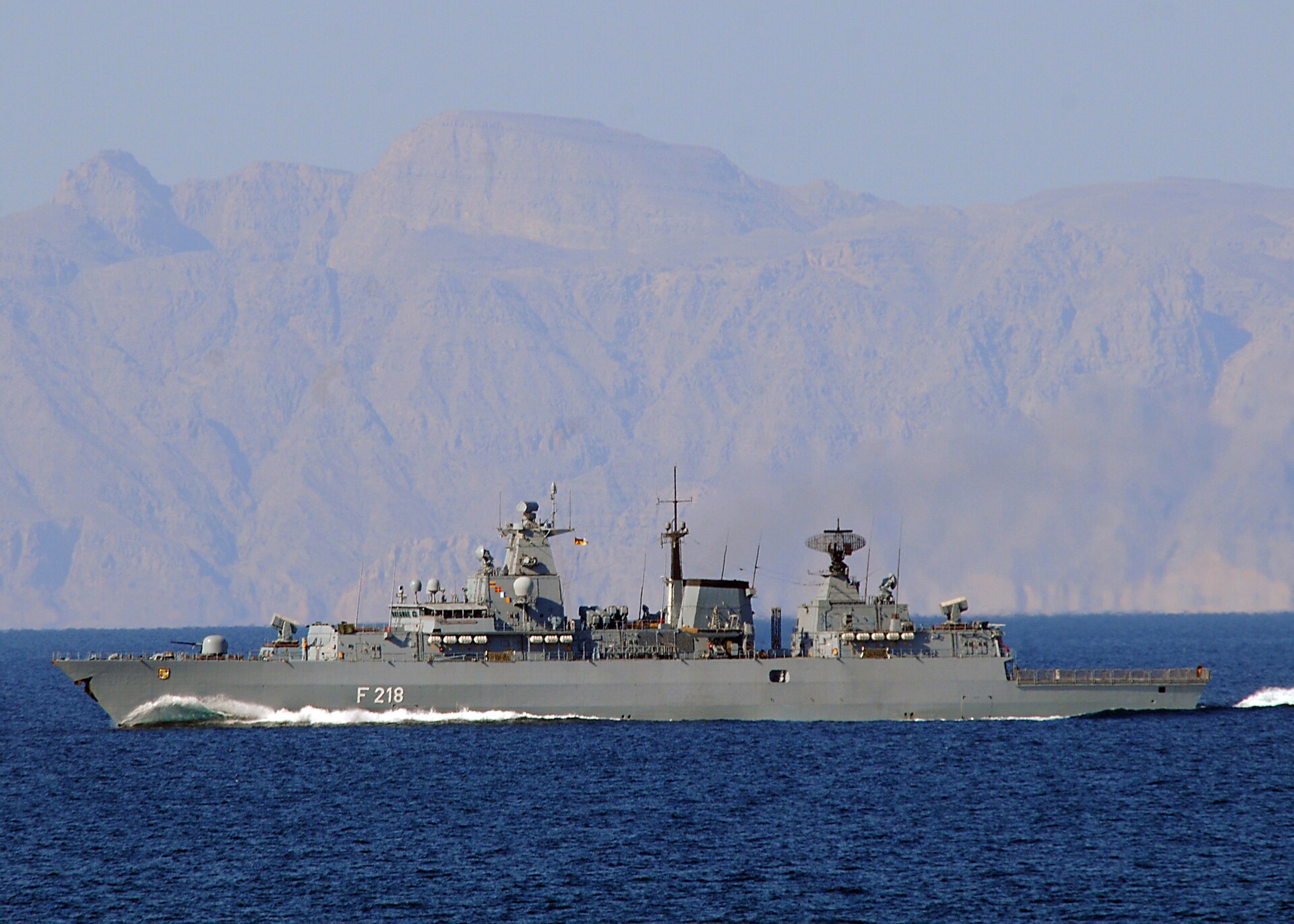

Singapore’s vulnerability to turmoil in the Strait of Hormuz goes far beyond petrol prices. As Foreign Affairs Minister Vivian Balakrishnan warned in remarks to Reuters on March 23, “the closure of the Strait of Hormuz is, in a sense, an Asian crisis” — a reminder that the fallout from the war against Iran is not limited to energy markets but could spill into the everyday cost of living across Asia. Reuters reported that about 20 per cent of the world’s oil and liquefied natural gas normally passes through the strait, with around 80 per cent of those oil shipments bound for Asian buyers.
Analysts largely agree, noting that the Strait’s closure has driven up oil prices, disrupted logistics and supply chains, and fuelled fears of inflation. While the immediate impact is on energy, the ripple effects extend into food systems and its security.
For Singapore, this risk is particularly acute. The country depends not only on imported oil and gas but also on external food and agricultural supply chains, leaving it highly exposed to global shocks. Disruptions in energy supplies raise fuel and fertiliser costs, increasing the cost of agricultural production and distribution, which in turn drives up food prices.
In Singapore, which relies almost entirely on food imports, higher global production and shipping costs are quickly transmitted into domestic retail prices. As a result, energy disruptions extend beyond fuel markets, translating into food security risks and a growing financial burden on households.
In response, Singapore’s Minister of State Zaqy Mohamad outlined during the Committee of Supply 2026 that the government is strengthening national food resilience through the “Singapore Food Story 2” (SFS2) initiative. The strategy focuses on four pillars: diversifying imports, growing local production, maintaining stockpiles, and strengthening global partnerships. Measures include expanding local production capacity, building strategic reserves of essential staples, enhancing regional cooperation, and deploying early warning systems to monitor supply risks.
The combination of rising energy costs, constrained fertiliser supply, and shipping delays could still drive food inflation and increase food insecurity, particularly among lower-income households. Singapore must accelerate contingency planning, diversify food sources, and strengthen local resilience to mitigate these impacts.
The bigger lesson is that food security in Singapore cannot be separated from energy security or geopolitics. A disruption in the Gulf is no longer just a distant foreign policy issue. It can quickly become a kitchen-table issue in Singapore, showing up in grocery receipts, household budgets and the cost of daily life.
When a distant war hits home: How global conflict impacts a family
Analysts say Middle East war could result in food and social stability crisis in Southeast Asia
Explainer: Middle East conflict 2026: Iran, Israel, oil and what it means for the world
 Follow Google News
 Join us on WhatsApp
 Follow us on Telegram