
FT praises Nvidia CEO Jensen Huang’s daily 90-minute therapy for helping normalise mental health treatment
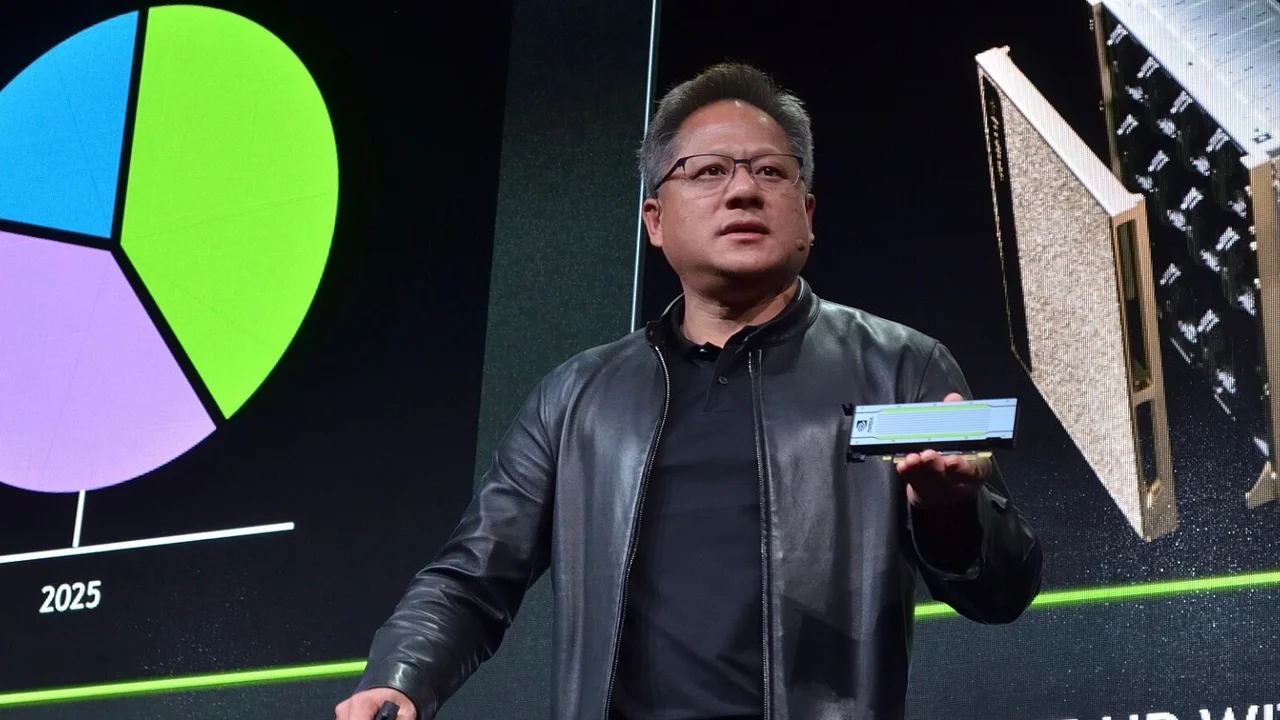
Last week, Jensen Huang was reinstated as the CEO of Nvidia, a tech giant vital to the United States economy. Mr Huang had resigned on Nov. 12 after it was reported that he had had an affair with a Chinese woman being investigated for espionage by US authorities.
While his comeback, especially the role played in it by US President Donald Trump, raised many concerns in the US and across the globe for a whole slew of reasons, one of the revelations stemming from his return has drawn praise.
After The New York Times reported on Nov 24 that Mr Huang had told Nvidia employees that he is in therapy for an hour and a half daily, John Foley, who heads the Financial Times opinion column covering companies and corporate finance, called this “a healthy example” that normalised seeking treatment, especially for company heads facing significant job pressures.
Mr Huang, who has reportedly had three extramarital affairs as well as a history of harsh and humiliating treatment of employees, told workers at Nvidia upon his return that it was “not acceptable” for him to have broken the company’s code of conduct that he partially authored. According to the NYT, he admitted that his behaviour led Nvidia’s board to assess his future at the company, which is why he resigned.
Mr Foley wrote, “This is the kind of thing a person might say when they want to be forgiven for poor behaviour. But taken at face value, Huang deserves credit for helping to normalise treatment millions need and don’t get. Mental health affects executives just as it does the rest of the population.”
He cited a 2022 study from Deloitte saying 40% of a company's highest-ranking senior executives felt overwhelmed, while 30% felt lonely and 26% reported being depressed, and noted that these figures are higher than the rates for employees, though only slightly.
Newsletter
Get updates straight to your inbox
Mr Foley added, however, that only 14% of Americans receive treatment for these conditions, with older citizens, males, and individuals with middle incomes being the least likely to do so.
“AI entrepreneurs — Huang being one of the most influential — are already pouring masses of time and energy into cracking the world’s hardest problems, from maths to drug discovery. How to reduce the burden of mental health disorders should be high on their list too,” Mr Foley added. /TISG
Read also: Netizens call Huang's resignation and return a charade to move Nvidia shares